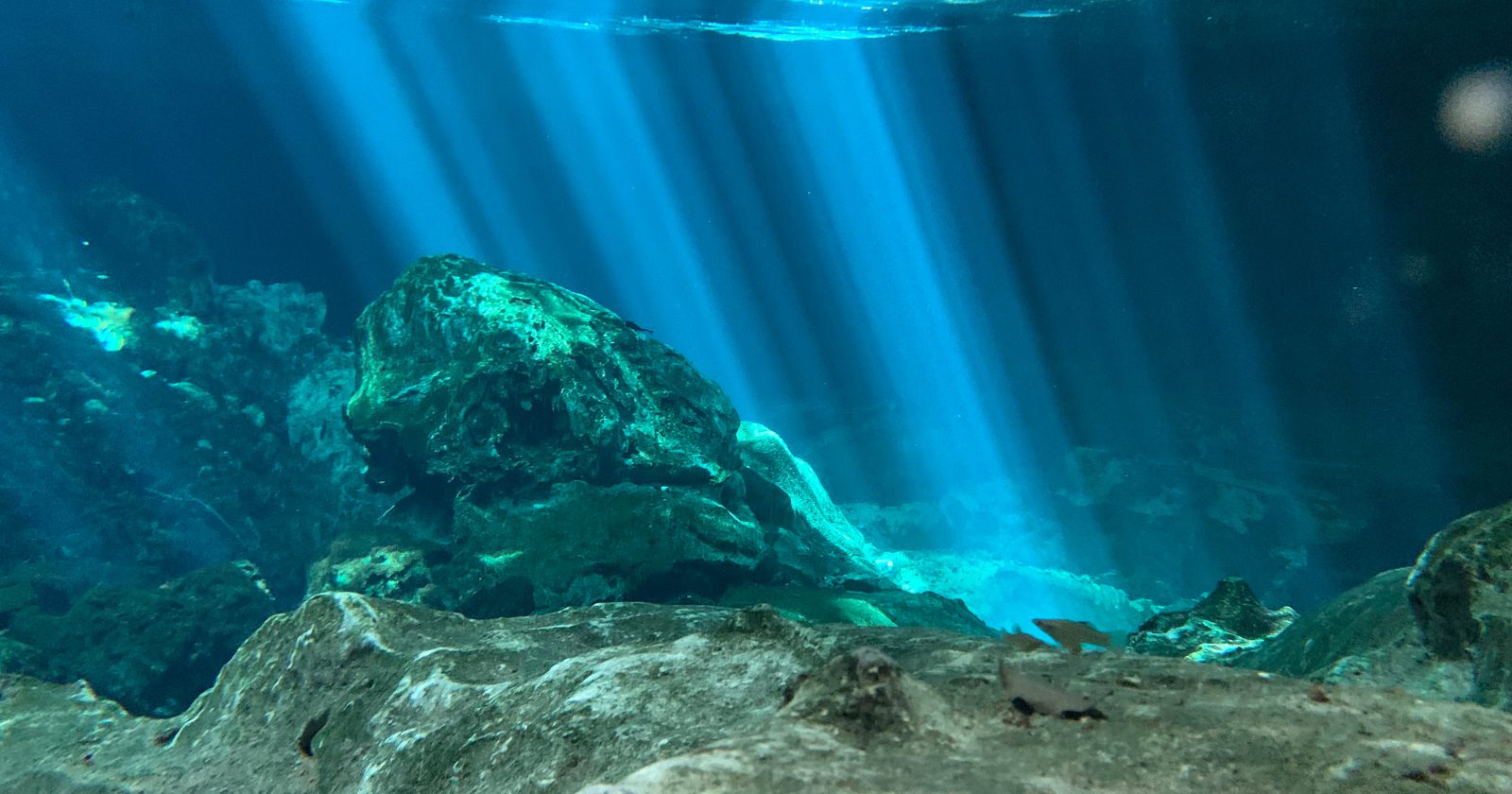
Four thousand meters below, in the most shadowy and silent area of the central Pacific Ocean, there exists a zone the size of the continental United States characterized by a seafloor strewn with numerous small dark stones.
Viewed closely, they resemble potatoes or apples — with rough surfaces, predominantly black, and about the size of a fist. They rest atop fine muddy sediment that has remained undisturbed for millions of years. In the surrounding waters, in one of the least investigated habitats on the planet, thrive thousands of animal species — including corals, sponges, worms, small crustaceans, and translucent fishes — that have yet to be formally documented by scientists.
These stones are known as polymetallic nodules. They rank among the most valuable naturally occurring deposits of industrial metals found anywhere on Earth.
Each nodule comprises roughly 25 to 30 percent manganese, 1 to 2 percent nickel, 1 to 2 percent copper, and 0.2 to 0.3 percent cobalt by weight. These metals — especially cobalt and manganese — are vital components of the batteries, electric vehicles, and renewable-energy infrastructure that the world aims to construct in the approaching decades. The specific area of the Pacific where they are concentrated, referred to as the Clarion-Clipperton Zone, is estimated to house 21 billion tons of these nodules in total, which includes around 5.95 billion tons of manganese and 0.05 billion tons of cobalt.
These quantities for both cobalt and manganese surpass known terrestrial reserves. The largest singular deposit of these two industrial metals globally resides at the ocean floor.
## Formation of the nodules
The unique process by which these nodules were formed is important to clarify, as it is not what many people envision when they think of “underwater rocks.”
They did not develop through the usual rock formation processes. They were not thrust up by geological forces. They did not settle from ancient waterways. Instead, they assembled, atom by atom, from the surrounding seawater — with dissolved metals precipitating onto small nuclei made of shell, bone, or hardened sediments on the abyssal floor.
Every nodule started as something minuscule. A fragment of a shark’s tooth. A piece of shell. A tiny hard particle of debris that fell from above and settled on the sediment.
Around that nucleus, dissolved manganese and iron in the water surrounding it — present in trace concentrations — began to precipitate. Not in bursts. Gradually. So gradually that the growth rate for a typical nodule in the Clarion-Clipperton area is estimated at about one millimeter of growth per one to ten million years.
The apple-sized nodules that mining companies are eager to harvest are, based on this estimate, between five and ten million years old at their outer layer. Their inner nuclei could be significantly older. They have remained on the abyssal plain, developing at the pace of a single atomic layer each year, since long before humans existed as a species.
## Surrounding life
The nodules possess not only economic value. They also play an ecological role that isn’t immediately apparent.
The abyssal plain of the Clarion-Clipperton Zone is predominantly soft sediment. There are no rocks or cliffs. Within significant stretches of the area, the nodules represent the only solid surface for hundreds of kilometers in any direction. This makes them a vital habitat for any species needing a stable surface to attach.
Corals grow on them. Sponges fasten to them. Small sessile organisms — those that spend their entire lives anchored to one spot — rely on nodules for their foundation. Surrounding them, within the sediment, entire communities of minute worms, crustaceans, and microorganisms have adapted to unique microhabitats that exist solely because of the nodules.
A 2023 checklist prepared by the Natural History Museum in London recorded about 5,578 animal species found in the Clarion-Clipperton Zone samples. Of these, only 436 had been officially named and classified by science. The remaining 5,142 species were entirely new to taxonomy — organisms that had been photographed or sampled, but not sufficiently studied to receive names or be categorized in the tree of life.
The figure indicating 90 percent undescribed is a conservative interpretation of the data. Recent surveys utilizing environmental DNA sampling and enhanced deep-sea imaging consistently uncover species previously unknown to biology in nearly every expedition.
The specific technical proposal from the deep-sea mining sector involves deploying collector vehicles to the seabed to gather the nodules, transport them to surface vessels, and subsequently bring them to processing facilities on land.
The targeted extraction rate for the industry is aimed at commercial scales of thousands to millions of tons of nodules annually. In 2022, a single feasibility test carried out by The Metals Company gathered approximately 3,300 tons of nodules.