**Africa’s Fire Season: The Evolving Dynamics of the Major Annual Blaze**
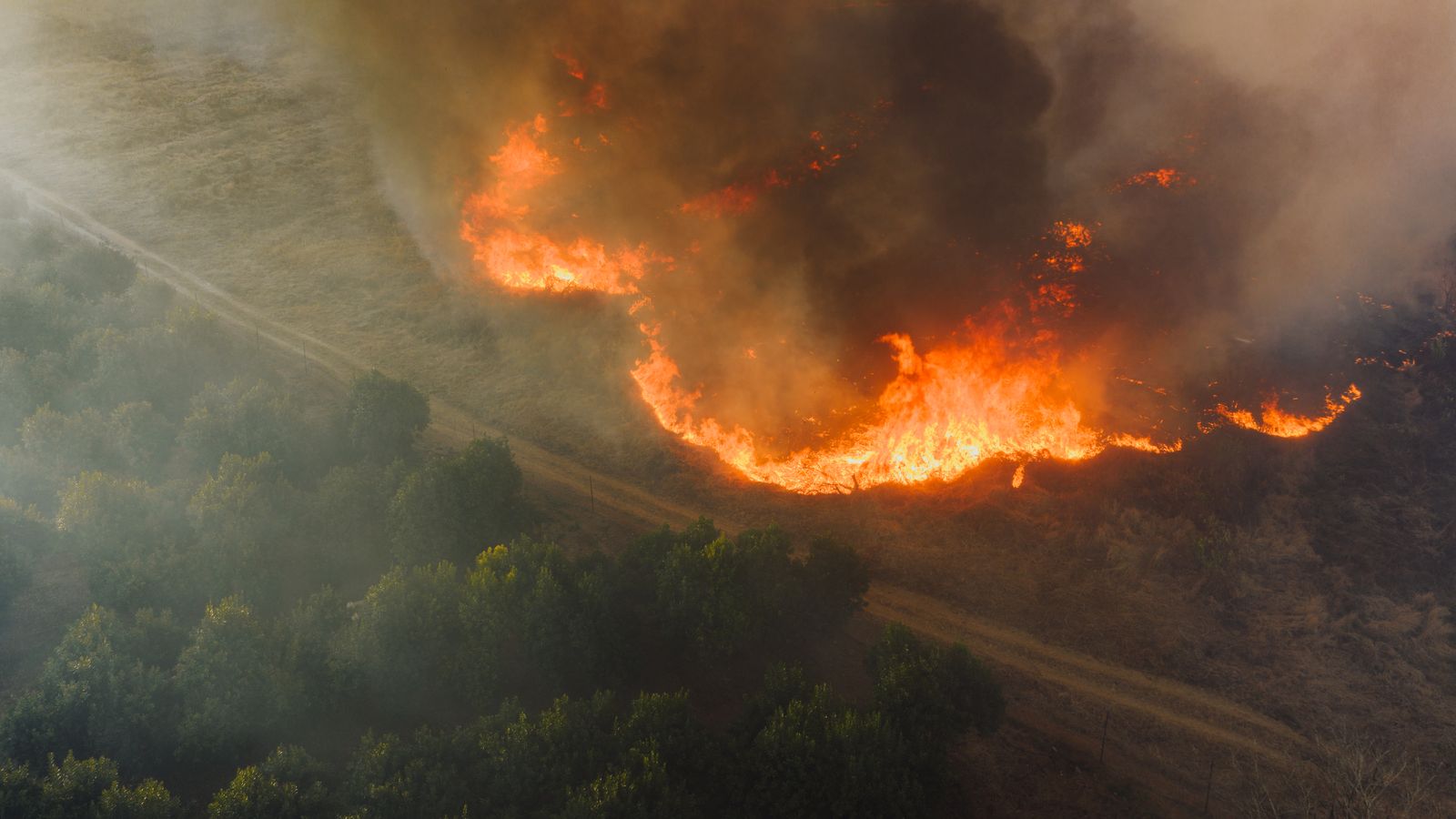
Africa’s fire season — the significant annual blaze that alters the continent’s savannas into the largest contributor of biomass smoke on the planet — is becoming shorter. Recent research attributes this transformation to a combination of land-use changes, altered rainfall patterns, and agricultural growth rather than a single climatic influence. This discovery contrasts with the widely held belief that extended fire seasons wreak havoc in areas like California, southern Europe, and Australia.
Fire activity in Africa is vital on a global scale as it impacts the planet’s carbon budget, aerosol levels, and the biodiversity of some of the last remaining intact grassland ecosystems. With satellite data providing more accurate information over the last twenty years, researchers have noted an unexpected trend: although individual fires can be very intense, the duration of large-scale burns has diminished. The dry-season fire window is now starting and ending earlier in certain locales.
The shrinkage of the fire season is especially apparent in the northern savanna belt — the stretch of grasslands from Senegal to South Sudan — and in parts of southern Africa, including Zambia and Angola. In these fire-dependent landscapes, fire is a fundamental process critical for sustaining the ecosystem balance. Suppressing fire may result in ecological transformations, with woody plants invading and grasslands transitioning to thickets, harming species habitats and biodiversity.
Multiple elements contribute to the shortened fire season. Agricultural expansion fragments the grassland fuel required for significant fires. Increasing populations of cattle and goats diminish available fuel through grazing. Variable rainfall, shaped by alterations in ocean temperatures, complicates fire patterns further. Additionally, proactive fire management practices, such as early dry-season burning, aim to prevent disastrous fires.
The ocean holds a speculative yet important role, with African rainfall and fire fuel connected to temperatures in the Atlantic and Indian Oceans. The West African monsoon, which affects grass growth, is tied to Atlantic circulation patterns that influence global weather. Alterations in these patterns affect both fire fuel availability and the duration of the fire season.
In spite of the shorter fire season, African fires persist in releasing large quantities of carbon dioxide, methane, and black carbon, affecting air quality as distant as the Caribbean. Total emissions may have marginally decreased in recent years, contrary to the upward trend in global wildfire emissions.
Ecologically, the shift in fire season dynamics brings mixed results. Grassland species find themselves at a disadvantage as woody invasives flourish. Non-native plants can change fire behavior, while large mammals such as elephants may alleviate some ecological issues.
Human impacts are likewise diverse. Farmers enjoy reduced fire risks, whereas pastoralists encounter difficulties as grass struggles to regenerate properly. Conservation managers are now implementing controlled burns to sustain ecosystem functions.
As the tendency for a shorter fire season continues, coupled with ongoing agricultural expansion and increasing livestock populations, the challenge remains whether affected ecosystems can adapt swiftly enough. The evolving fire patterns in Africa remind us that a warming world does not uniformly result in more fires, and that local environmental and human factors can significantly alter fire landscapes. The reasons behind Africa’s shrinking fire seasons emphasize the intricate interplay of tractors, cattle, rain, and rising temperatures.