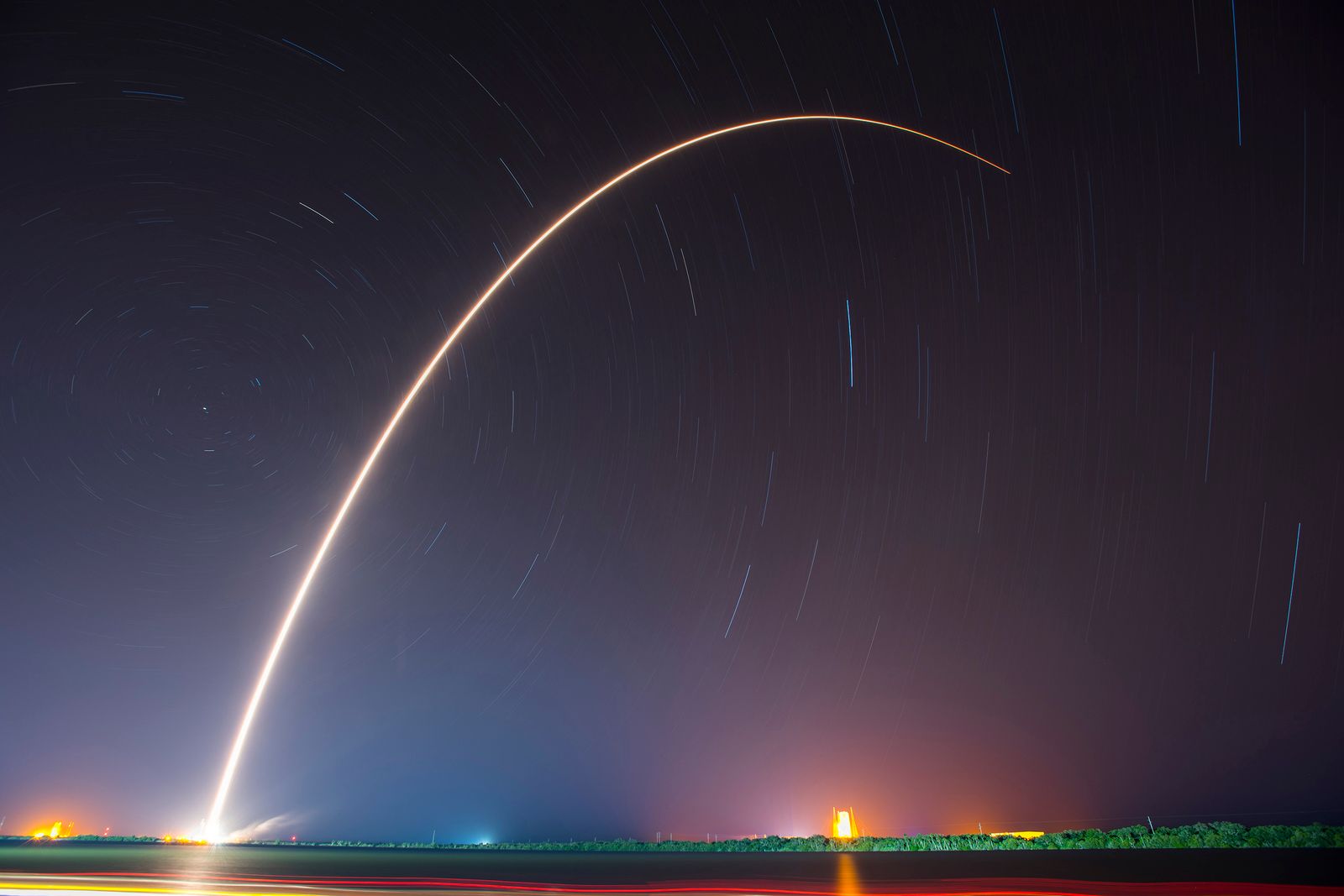
On Saturday, India became part of an elite group as Skyroot Aerospace, based in Hyderabad, successfully launched its Vikram-1 rocket from a pad at Sriharikota, placing six payloads into low Earth orbit. This milestone makes Skyroot the first private Indian company to achieve orbital capability and positions India as only the third nation, after the United States and China, to possess a private-sector orbital launch capability.
The seven-storey rocket departed from the Indian Space Research Organisation’s launch site at 12:05 local time and soared for approximately 16 minutes, reaching an altitude of around 450 kilometres before deploying its payloads, as reported by the BBC. Skyroot later confirmed on social media that the test flight had successfully achieved orbit.
The mission, designated Aagman — which translates to “arrival” in Sanskrit — is the first of two scheduled test missions this year, with plans for commercial operations to commence in 2027. This launch coincides with the unveiling of numerous ambitious goals for India’s civil space program, including a crewed orbital mission next year, a Venus orbiter by 2028, and a national space station by 2035.
A rocket named in honor of its founder, built by his successors
The Vikram-1 is named after Vikram Sarabhai, a physicist who is widely acknowledged as the father of India’s space initiative. Skyroot was established in 2018 by Pawan Kumar Chandana and Naga Bharath Daka, two former engineers from ISRO who left to develop launch vehicles tailored for the small-satellite market. The firm has recently achieved a valuation exceeding $1.1 billion, marking India’s first space-tech unicorn, according to Phys.org.
The rocket is considered small relative to orbital-class standards, capable of carrying payloads of up to 350 kilograms, targeting small satellite operators who currently depend on rideshare opportunities aboard larger rockets and may wait months or even years for a launch that matches their desired orbit.
Chandana has characterized the company’s business model as offering on-demand space access, likening it to ride-sharing services in contrast to traditional mass transit.
Payloads aboard Aagman
Vikram-1 carried six payloads into orbit, which include a robotic arm intended to test methods for capturing space debris, an Earth-observing camera, and satellites from both Indian and international clients, including a German company. The debris-capture initiative serves as a subtle yet meaningful indicator of the anticipated demand within the small-launch sector — a subject previously discussed in Science Blog’s analysis of the economics surrounding orbital cleanup.
Two of the payloads serve symbolic purposes. One is a lotus flower crafted from lab-grown diamonds by Cosmos Diamonds, named Cosmic Bloom. The other is a miniature gold rocket that holds three micro-sculptures, each smaller than a grain of rice, representing Sarabhai, Nobel laureate physicist C.V. Raman, and aerospace engineer and former Indian president A.P.J. Abdul Kalam.
Chandana expressed that these payloads pay homage to India’s space trailblazers, recognizing the groundwork they laid for the contemporary private space sector.
Why India’s private sector has only now achieved orbit
The disparity between India’s achievements in civil space and its private launch sector has been notable. ISRO successfully landed a spacecraft near the lunar south pole in 2023, placed an orbiter into Mars orbit on its first attempt, and provides one of the most cost-effective heavy-launch services globally. However, prior to 2020, private enterprises were essentially prohibited from constructing and operating their own rockets.
In that year, the Indian government liberalized the sector, permitting private companies to create launch vehicles and satellites and to utilize ISRO’s ground infrastructure. The articulated aim is to enhance India’s share of the global commercial space market from approximately 2 percent currently to around 10 percent by 2030. Since the policy shift, over 400 space startups have registered, reported Al Jazeera, while Skyroot stands out as the only entity to have reached unicorn status — and now, orbit.
Skyroot’s suborbital Vikram-S flight in November 2022 marked the first private Indian rocket to exit the atmosphere. The launch on Saturday successfully bridged the more challenging gap between suborbital and orbital flights, a crucial threshold distinguishing a hobbyist industry from a commercial enterprise.