**Groundbreaking Advancement in Rejuvenation: Young Pig-Derived Exosomes Revive Aging Rats**
In the pursuit of reversing aging, a pioneering technology has recently shown its capability to rejuvenate rats by utilizing exosomes sourced from young pigs. These exosomes, minute lipid nanoparticles that transport molecular signals throughout the organism, have emerged as a central topic in anti-aging investigations. The excitement surrounding the application of these discoveries to human therapies is increasing, although advancements in the medical sector continue to be sluggish due to the intricacies of corporate scientific regulations and difficulties in managing exosome-related intellectual property.
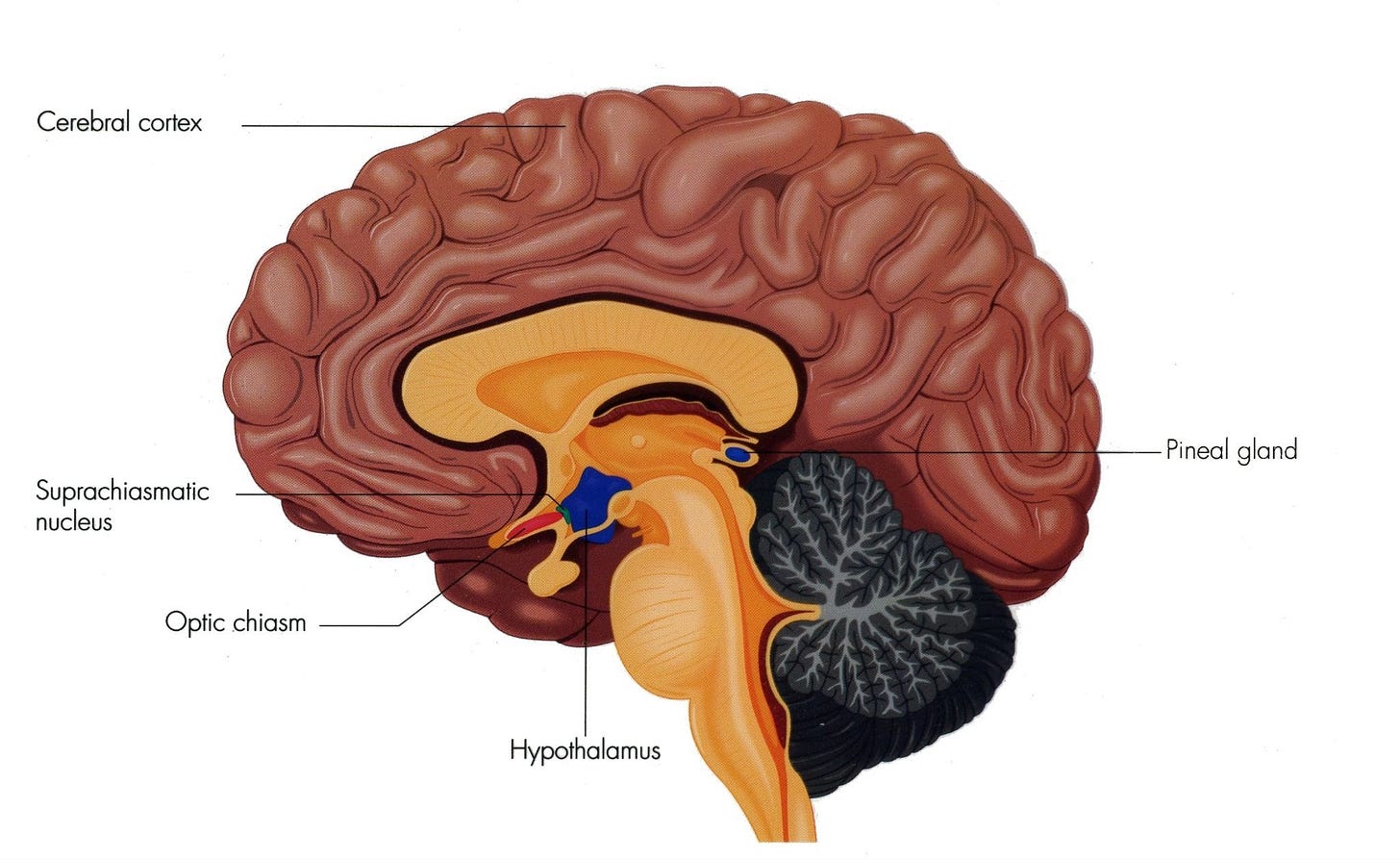
Aging is a multifaceted biological phenomenon thought to follow a preset timeline governed by a “biological clock.” This clock may either be localized in the hypothalamus or dispersed throughout the body. Exosomes, which encapsulate essential signaling molecules, are recognized as key players in transmitting age-related information to cells, allowing them to modify their gene expression according to the body’s age status. Research from parabiosis studies indicates that aged cells can be repaired upon receiving youthful signals, suggesting the possibility of reversing the aging process.
At the forefront of rejuvenation research, Harold Katcher’s lab in Mumbai made a pivotal discovery six years ago: aged rats could regain their youth via a specific exosome fraction. Exosomes facilitate genetic material exchange across different species, offering a universal platform for biological communication. While resetting the body’s clock remains a challenge, targeting exosome signaling presents a promising alternative by mimicking youthful signals.
Recent developments indicate significant progress in deciphering and manipulating exosome communication. Researchers from Columbia University have improved skin and endothelial tissue health in mice by using exosomes obtained from umbilical cords. Concurrently, scientists in China have effectively reversed cellular senescence in skin fibroblasts with exosomes derived from rat brains. Additional notable studies focus on how hypothalamic inflammation contributes to the aging process and the potential role of exosomes in transmitting rejuvenating signals.
Despite the difficult terrain, the scientific community is fervently investigating ways to utilize exosomes for age reversal in humans. Collaborative initiatives among international research teams may unlock the door to human rejuvenation. An interdisciplinary strategy that clears intellectual property obstacles and encourages open scientific dialogue may lead the way in transforming aging medicine, bringing the promise of age reversal closer to fruition. With ongoing innovation and cooperation, the aspiration of rejuvenating humans similar to what is observed in animal models could ultimately materialize as a concrete reality.