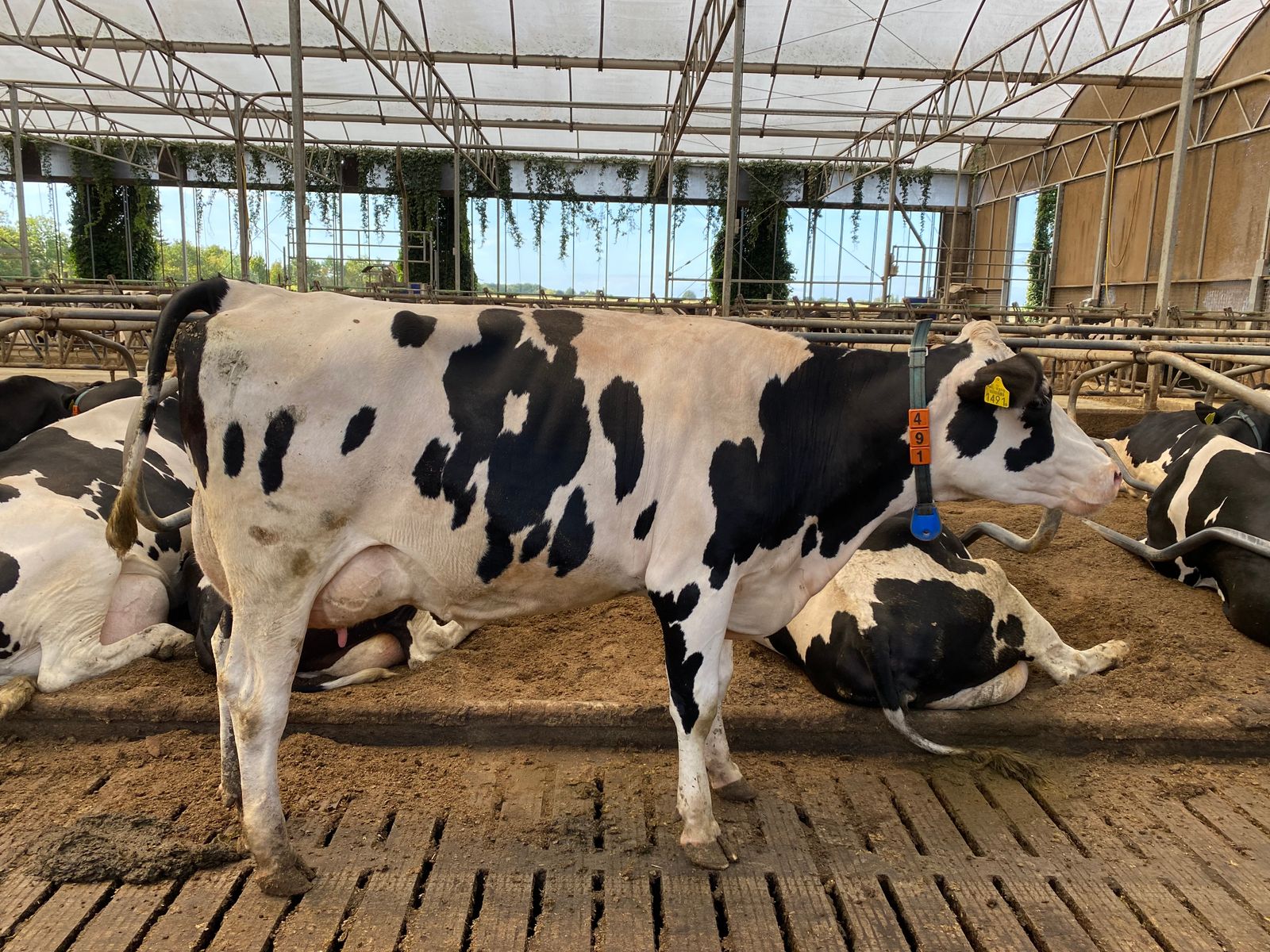
Cow’s Milk Without the Cow: A Revolutionary Biotech Advancement
For over ten years, researchers have aimed for an advanced objective: generating cow’s milk without the presence of cows. Historically, this has meant employing vats filled with genetically modified yeast or fungi in large fermenters to produce casein and whey proteins. Nevertheless, a new area of exploration is turning this concept upside down by altering common plants to synthesize genuine dairy proteins within their cells and extracting these proteins directly from the foliage or seeds.
This groundbreaking strategy overcomes a major challenge in precision fermentation—the high costs and energy demands of supplying sugar to microbes on a large scale—by utilizing photosynthesis as a free resource.
The Importance of Genuine Dairy Protein
The unique chemistry that defines a glass of cow’s milk is not easily replicated. Casein micelles and whey proteins are vital for dairy’s characteristic texture, its frothing capability when steamed, and the elasticity seen in melted cheese. Although soy, oat, almond, and rice drinks have their own proteins, they do not mimic these characteristics on a molecular level. Consequently, plant-based cheeses often become greasy, and plant-based yogurts tend to be watery.
The ambition to produce proteins identical to those present in dairy, without involving animals, has given rise to precision fermentation. In this process, companies modify microbes to generate the same amino-acid sequences that a cow’s mammary gland would produce. The outcome is a product chemically indistinguishable from conventional dairy proteins—able to curdle, foam, and melt as expected.
However, there are still financial hurdles. Fermentation techniques depend on refined sugar, stainless steel, and electricity. Scaling these systems to be competitive with milk protein concentrate has proven more challenging than initially thought.
The Plant Advantage
Molecular farming, which utilizes transgenic plants as living bioreactors, is not a novel idea. Researchers have long been engaged in using crops to generate pharmaceutical proteins, industrial enzymes, and even vaccine components within their leaves and seeds. Chloroplast-based expression systems can produce foreign proteins at considerably higher rates than traditional nuclear transformation methods, achieving double-digit percentages of a leaf’s total soluble protein.
The chloroplast is essential in this process. Each plant cell contains a multitude of chloroplasts, and each chloroplast has multiple copies of its minimal genome. By inserting the target gene into the chloroplast DNA rather than the nucleus, the quantity of protein-producing templates per cell is dramatically increased.
Utilizing this technology for milk proteins presents a shortcut. Instead of building fermentation plants, producers can merely cultivate fields.
How Casein is Created in a Leaf
The technical technique entails inserting the bovine gene for a milk protein—typically beta-casein, beta-lactoglobulin, or alpha-lactalbumin—into a plant’s genome under a robust promoter’s control. The plant’s ribosomes subsequently translate the foreign mRNA into the desired protein, folding it and occasionally attaching sugar groups that closely resemble the modifications made by a cow’s mammary cells.
After harvesting, the leaves or seeds undergo processing. The soluble protein fraction is isolated, and the milk protein is purified from the remaining plant material using conventional chromatography methods. At the amino-acid level, the resultant protein is identical to that found in cow’s milk.
Usually, fast-growing, well-researched plants are utilized—tobacco relatives like Nicotiana benthamiana for swift expression, and crops such as safflower, potato, or soybean for stable seed-based production. The plant itself does not appear in the final food product; it merely acts as the production factory.
The Environmental Factor
Traditional dairy production is resource-heavy, significantly contributing to methane emissions, land usage, and water requirements. Producing a liter of cow’s milk entails considerable environmental costs. Not all alternatives are inherently superior: almond and rice milks demand significant water resources, and soy production in South America is associated with deforestation. Oat milk performs better regarding carbon and water metrics but lacks nutritional density and often requires supplementation.
Plant-derived dairy proteins provide a distinctive solution. The crop containing the gene may exhibit low environmental impact—safflower, for instance, is drought-resistant—while generating authentic animal molecules that offer dairy’s nutritional profile without the cow.
The viability of this solution on a larger scale hinges on yield per hectare, extraction efficiency, and the amount of energy needed for the purification process. The necessary metrics are still under assessment.
Regulatory and Ethical Considerations
Creating a plant-based protein that is chemically identical to cow-derived protein poses regulatory and philosophical questions. Is it classified as dairy? Is it vegan? Could it trigger allergies in those sensitive to milk?
The allergy issue is clear: yes, the plant-made variant will provoke reactions, as the immune system recognizes protein shapes, rather than their sources. Product labeling must include allergen warnings, even if no animals are involved.
The vegan question is more intricate. Although no animals are harmed or utilized in farming, the genetic framework is bovine. Various certifying organizations