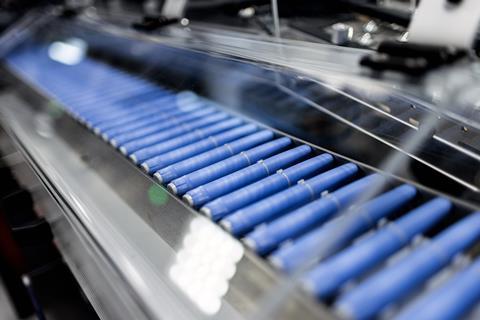
Patent safeguards for semaglutide, the key component in Novo Nordisk’s successful diabetes and weight reduction medications, have lapsed in various nations. This has triggered a surge in the launch of more affordable generic alternatives to Ozempic for diabetes and Wegovy for weight loss – starting in India and Canada, with numerous other countries expected to follow soon after.
In India, ten generic producers are currently manufacturing semaglutide injectable pens, while another three companies are producing it in vials to be administered using syringes and needles. These companies include Lupin, Eris, Sun Pharma, and Glenmark, with the majority of the active pharmaceutical ingredient (API) being sourced from China by companies like Sinopep, as well as produced in India. ‘China is significant in this sector because [it] has made substantial investments in peptide production,’ states Markus Felgenhauer, CEO of Qyobo, which monitors pharmaceutical supply chains.
Indian multinational generics company Dr Reddy’s Laboratories introduced the first generic semaglutide injection in India in March. Health Canada approved Dr Reddy’s semaglutide in April and mentioned it was reviewing eight additional applications. Canada sanctioned its inaugural generic semaglutide injection for weight loss from Canadian firm Apotex in June. Generics also emerged in the Brazilian market in May and are likely to debut in China next year. Patent protections for semaglutide will continue in effect in the US and Europe until the 2030s.
Quality Control
However, in July, reports emerged that Dr Reddy’s semaglutide production faced challenges due to impurity issues in certain batches. Supplies are anticipated to be lacking in India and disrupted in Canada until at least October, jeopardizing its target of selling 12 million injectable pens within the first year. Separately, Torrent Pharmaceuticals reportedly recalled some batches of its generic semaglutide injector pens in July. Although it is believed that – among the various emerging suppliers – customer demand will be satisfactorily met, these hurdles underscore the intricate nature of drug manufacturing.
Semaglutide is a modified version of the natural human hormone GLP-1. It is synthetically produced using solid-phase peptide synthesis to construct a chain of 31 amino acids, with a fatty acid added at position 26. Large-scale manufacturing can present some challenges, with numerous potential pitfalls, according to Mansoor Amiji from Northeastern University in Boston, US, yet it remains more similar to creating a small molecule rather than a biological drug. ‘You might have leftover amino acids that are not incorporated into the peptide, presenting as impurities, or the lipid may remain unbound rather than conjugated,’ adds Amiji.
The generics sector is predominantly influenced by pricing. Maintaining resilience through multiple suppliers is not incentivized.
Generic manufacturers are required to adhere to the regulations of the country in which their products are marketed. Amiji expresses some concerns regarding quality control due to the large number of companies entering the Indian marketplace, and there have already been recourse or production errors noted. Nonetheless, ‘generics must comply with the same regulations as their brand-name counterparts, while compounding pharmacies and online sellers operate under different standards, which raises concerns about quality assurance,’ Amiji explains. Compounding pharmacies offering semaglutide gained traction in the US during shortages of Novo Nordisk products and Eli Lilly’s related tirzepatide (Mounjaro and Zepbound) as the companies struggled to quickly increase production to satisfy demand.
Anticipation of intense competition in the market is expected. ‘We’ve observed that some major players have refrained from partaking in the initial generic launches in India because they anticipate this will lead to significant market pressure,’ notes Felgenhauer, indicating substantial strain on prices and profits. He forecasts that such competition will lead to lower prices, eventually causing some manufacturers to exit the market. ‘The generics market is primarily driven by price,’ he says. ‘There’s no incentive for resilience through multiple suppliers, as it dilutes volumes and diminishes economies of scale.’
In response, Novo has reduced its prices in India and has licensed Emcure Pharmaceuticals to distribute semaglutide injections in India, setting the price point between the emerging generics and Novo’s branded offerings. ‘With the first generic launch, prices typically drop around 33%. With the introduction of a third generic, they may fall by 65–70%,’ mentions Jennifer Lake from the University of Toronto in Canada.
While generics compete for market share of injectable semaglutide, both Novo and Lilly have launched daily oral medications. ‘There’s a prevailing assumption that oral formulations will dominate because injections are less desirable for many,’ states Felgenhauer. In January, Novo released a Wegovy pill in the US – rebranding and broadening the dosage options of its Rybelsus diabetes treatment. The formulation of the tablets safeguards the semaglutide peptide.