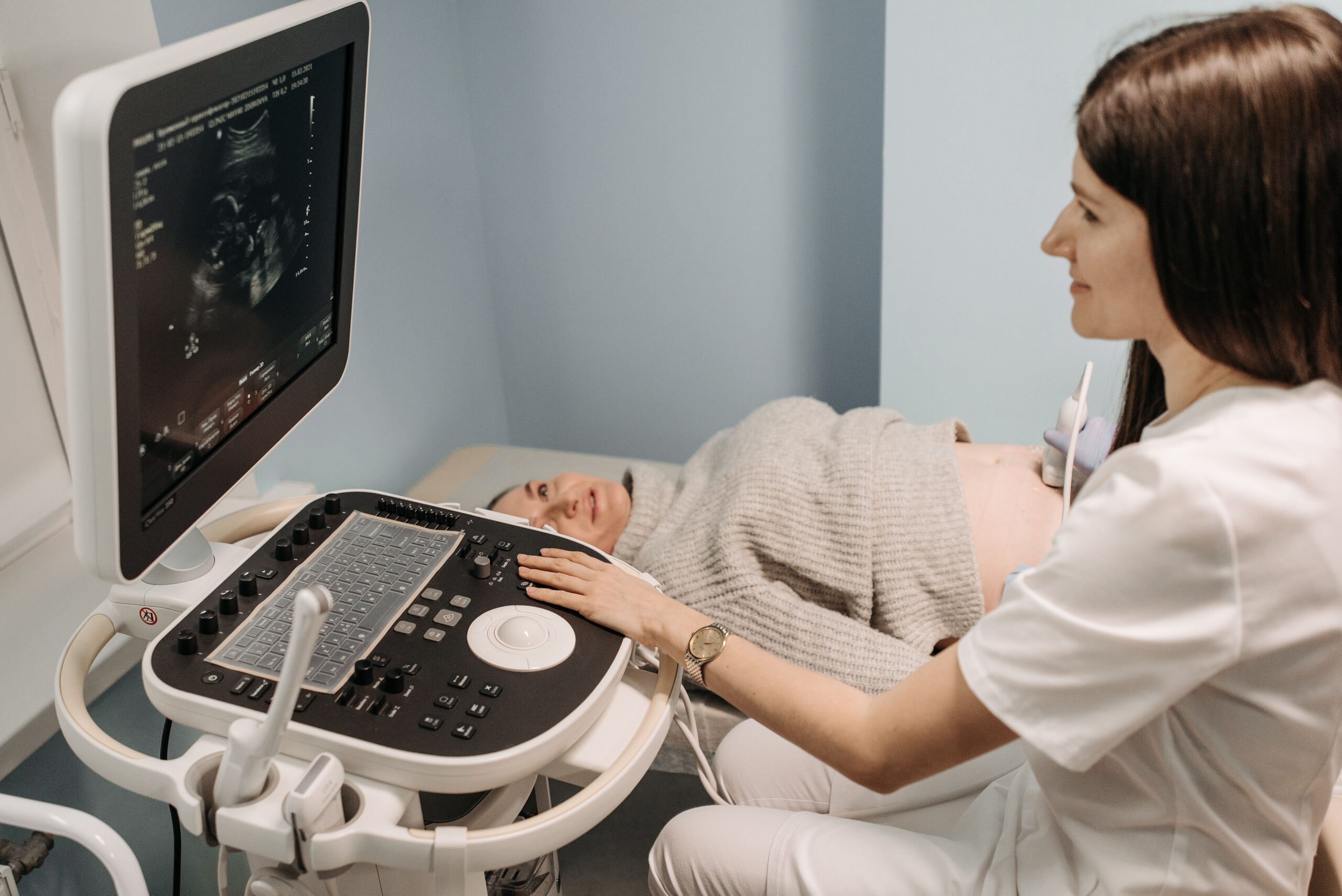
Birth signifies a marked separation: one body divides into two distinct individuals, but at a cellular scale, this division becomes less clear. Throughout pregnancy, cells and genetic materials flow across the placenta bidirectionally. Some maternal cells find their way to the fetus, while fetal components enter the maternal system, occasionally remaining even after delivery in a phenomenon referred to as microchimerism.
In 2012, a remarkable discovery was made when male DNA was identified in different regions of the brains of 37 out of 59 deceased women, with the oldest being 94. The likely origin was pregnancy with a male fetus, although this remains unverified for many, as a Y-chromosome sequence was found more frequently than living cells.
Microchimerism entails individuals retaining a small number of cells or genetic segments that are not part of their own genome, with pregnancy acting as a natural enabler. The placenta facilitates the exchange, permitting fetal cells to enter the mother’s bloodstream and vice versa. While a significant amount of foreign material is eliminated after pregnancy, some still exist, relocating to organs such as blood, bone, liver, and on rare occasions, the brain.
A research study conducted on 59 autopsied female brains by William Chan et al. aimed to find male DNA by employing PCR to detect the Y chromosome’s DYS14 sequence. A positive result was observed in 37 women across various brain areas, indicating a prevalence of male microchimerism. However, the pregnancy histories for most were lacking, complicating the confirmation of the origin or duration of the material.
Although the presence of male DNA implies that fetal-origin cells could be present in the brain, “likely” remains a crucial term—it does not verify the type or function of the cells. Microchimeric cells might integrate into tissues, possibly assisting in repair or immune reactions, yet their roles within the human brain, particularly concerning Alzheimer’s disease, remain uncertain.
While the study suggests microchimerism’s widespread presence and its persistence into later life, the health implications remain ambiguous, leaving open the potential for pregnancy’s lasting cellular impact. Birth concludes gestation, but cellular coexistence might endure.