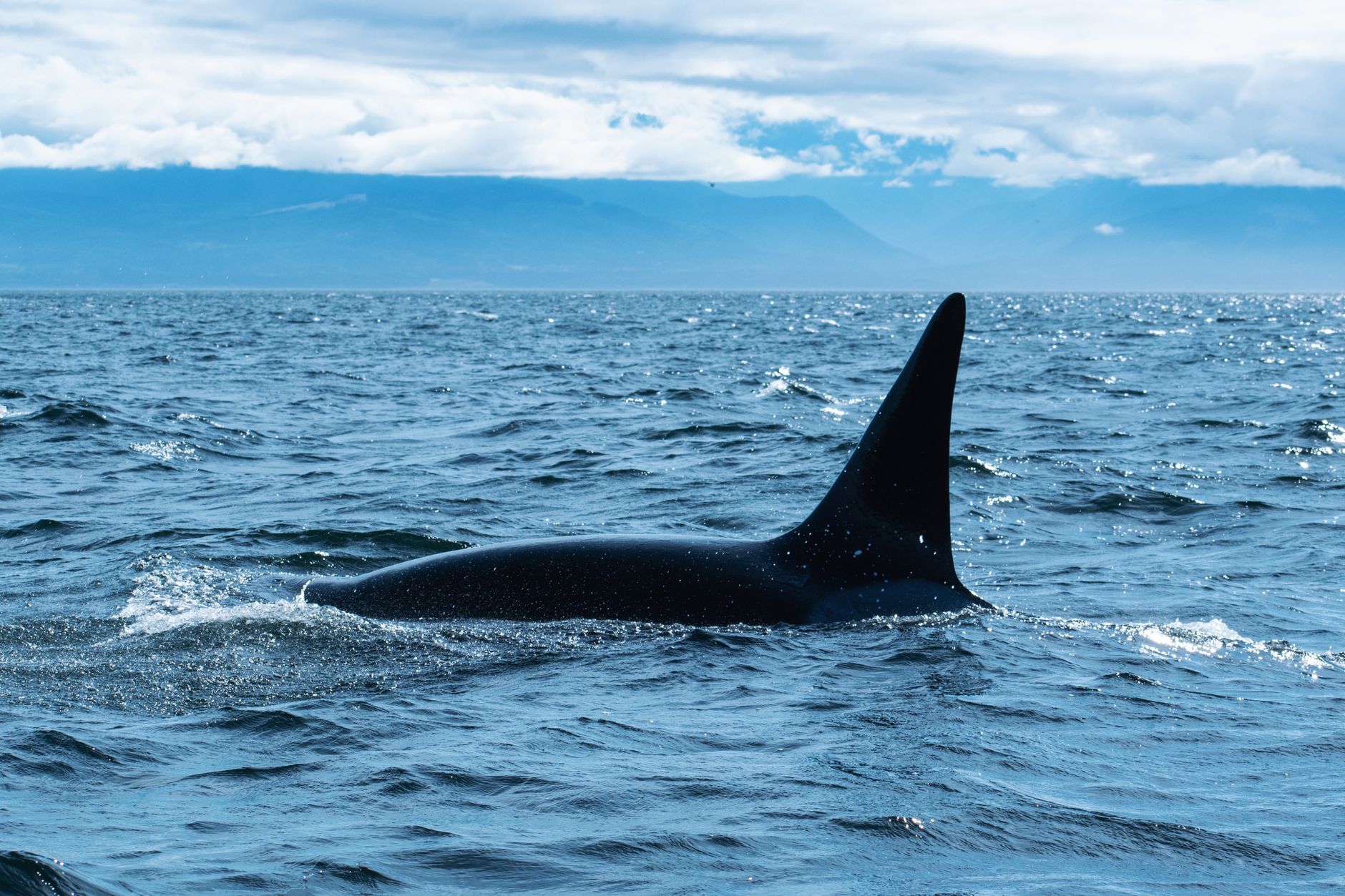
Recent research has transformed our perception of menopause within the animal realm, underscoring its occurrence not just in humans and particular whales but possibly in chimpanzees too. Historically, only five species were acknowledged to experience menopause: humans, killer whales, short-finned pilot whales, belugas, and narwhals. Nevertheless, a 2024 comparative analysis in Nature, spearheaded by Samuel Ellis, has broadened this roster to encompass a sixth species, the false killer whale, based on morphological and statistical data.
Menopause in animals is characterized by an extended post-reproductive period, which stands apart from the typical aging process where fertility simply diminishes with age. This distinction is crucial for grasping the evolutionary adaptations of various species. For whales, recognizing menopause poses challenges due to the difficulties involved in tracking individuals from birth to death. Research relies on specimens from stranded or hunted animals, analyzing tooth growth rings for age determination and ovary structures for signs of prior ovulation.
Orcas, notably the fish-eating resident killer whales of the Pacific Northwest, present a compelling case for menopause. Research indicates that post-reproductive females frequently guide group movements, particularly during periods of salmon shortages, and their presence is linked to enhanced survival rates among their grand-offspring. This indicates that older females, by extending their lifespans, can assist relatives and bolster group resilience without directly competing in reproduction.
The updated perspective underscores that longevity enables females to impart knowledge and support, especially when resources are limited. This aids families without intensifying reproductive rivalry, aligning with evolutionary theories that seek to balance aiding kin with minimizing conflict.
Complicating this further, a 2023 study led by Brian Wood revealed signs of menopause in a wild chimpanzee community in Uganda, though it remains unclear if this is a widespread characteristic among chimpanzees. The ongoing investigation implies that the presence of menopause across different species might be shaped by various ecological and social dynamics, necessitating an open-minded attitude toward future findings.