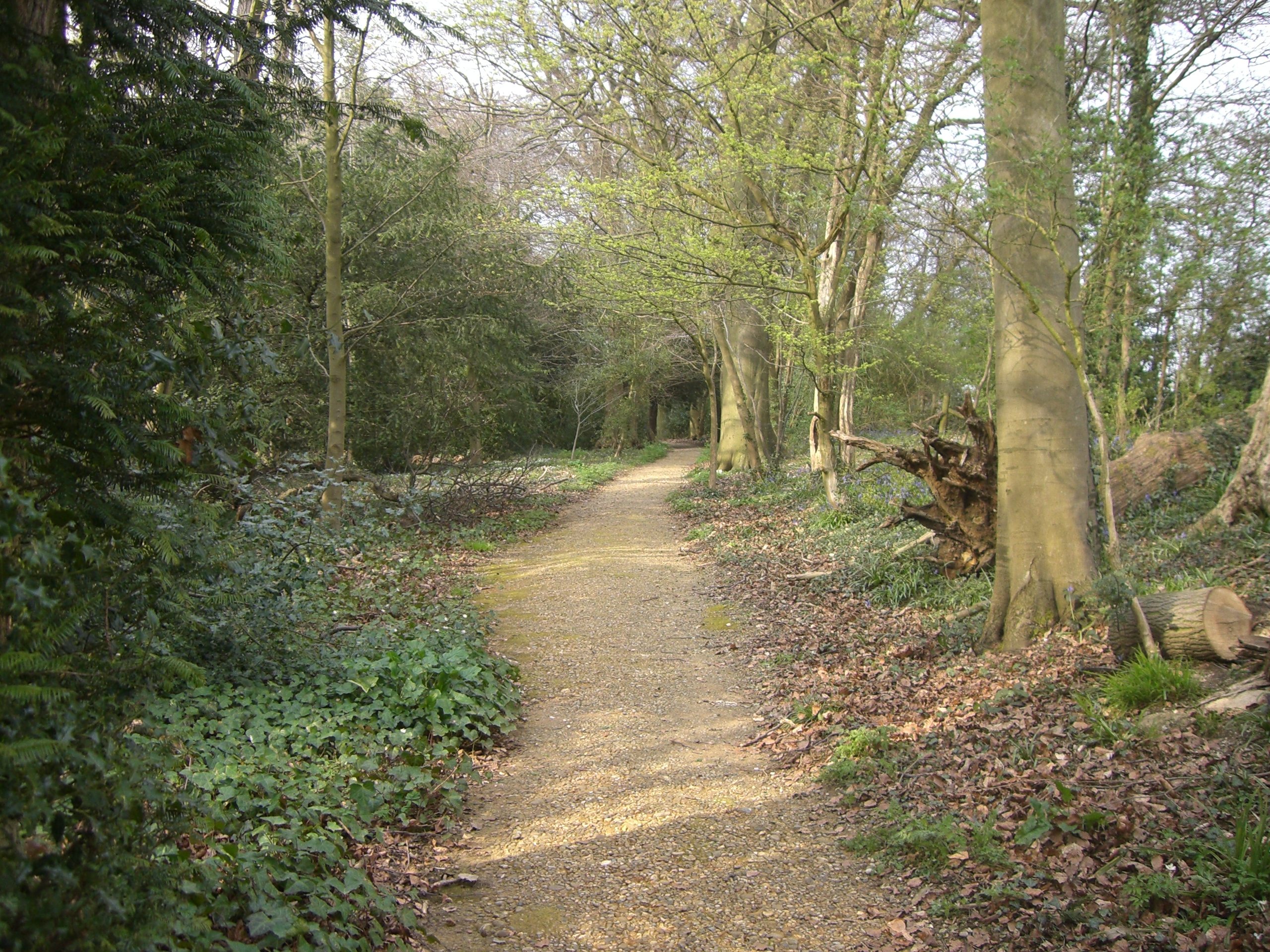
Charles Darwin, the distinguished naturalist celebrated for his pioneering contributions to the theory of evolution, followed a distinctive routine that fused physical activity with his intellectual endeavors. At his residence, Down House in Kent, Darwin engaged in regular strolls along a circular trail he established around a small wooded area, which he called the Sandwalk. This pathway, which he navigated every day, served not only as a form of physical exercise but also as an essential component of his problem-solving and creative thought processes. The Sandwalk provided Darwin the opportunity to ponder scientific enigmas and formulate new experiments, merging observation and continuous contemplation into his everyday schedule.
A contemporary understanding of the advantages of walking for cognitive functions resonates well with Darwin’s habit. Research carried out in 2014 by psychologists Marily Oppezzo and Daniel Schwartz indicated that walking could boost creative productivity. Their studies demonstrated that walking enhanced performance on tasks demanding divergent thinking — the method of producing numerous ideas or solutions to a dilemma. This phenomenon was noted both when participants walked on a treadmill and when they ambulated outdoors, suggesting that the act of movement itself, irrespective of the setting, conferred cognitive advantages.
The neuroscience underlying this phenomenon implies that walking may activate the default mode network, a cluster of brain regions that engage during introspective thought and creativity. This network aids in retrieving disparate information and fostering spontaneous thoughts, which are vital for creative cognition. Additionally, the coordination of executive control systems contributes to sustaining focus and assessing the relevance of ideas produced during divergent thinking.
Introducing breaks or partaking in light, familiar activities, such as walking, could promote what is termed incubation — a phase during which subconscious processing of previously addressed issues may happen. This coincides with findings that suggest that low-stress tasks during breaks can enhance problem-solving by enabling the mind to wander and develop new associations subconsciously.
Nevertheless, walking is not a cure-all for creativity. The journey of creative thinking encompasses not only the generation of numerous potential solutions but also the refinement of those into actionable choices, a balance that necessitates both divergent and convergent thinking. For Darwin, the Sandwalk functioned as a component of a broader system of scientific investigation that incorporated thorough study, observation, and collaboration.
While modern science cannot retrospectively scrutinize Darwin’s experiences on the Sandwalk, his methodology is corroborated by current research that highlights the benefits of alternating between concentrated efforts and moments that permit cognitive drifting. An organized strategy, akin to Darwin’s, which combines initial focused work with a contemplative walking session followed by concentrated analysis, can nurture creativity and problem-solving. Ultimately, Darwin’s walking routine exemplifies how movement can be intertwined with intellectual engagement to enhance creativity and innovation.