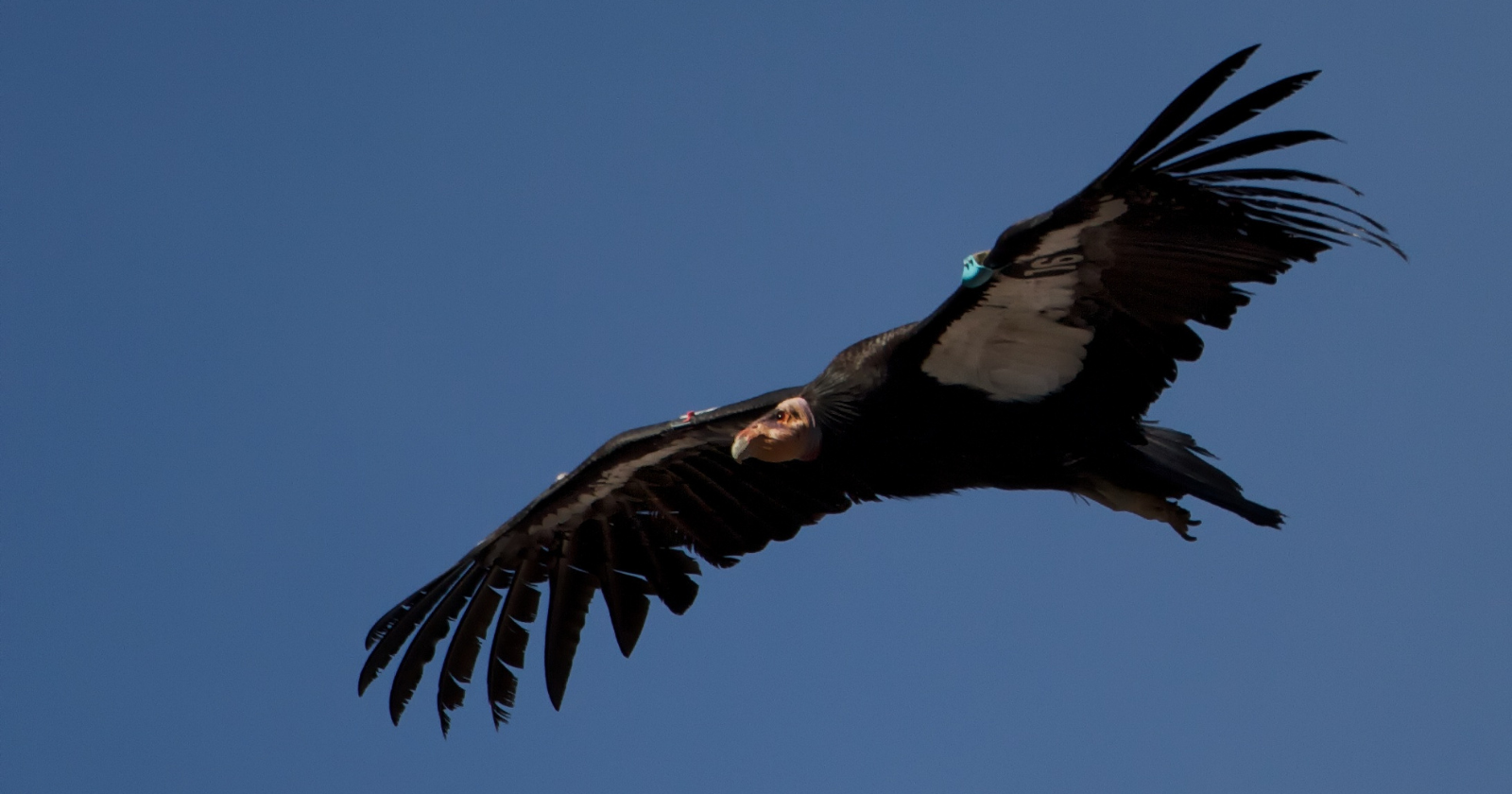
In 2021, a historic event took place when the U.S. Fish and Wildlife Service granted the first permit ever that allowed a wind farm to potentially harm California condors, a species critically endangered but brought back from near extinction. This permit authorized the Manzana Wind Power project in Kern County to legally permit the accidental death of up to two free-flying condors, along with two dependent chicks or eggs, over a 30-year timeframe. Initially, this development appeared alarming, potentially leading to scandalous repercussions considering the fragile status of the California condor, which had dwindled to approximately 22 individuals.
However, the truth of the matter was significantly more intricate and beneficial for conservation initiatives. In contrast to initial apprehensions, the arrangement was formulated to ensure that the permit would ideally never need to be enforced. The Manzana project, managed by Avangrid, employed an advanced system aimed at preventing any harm to the condors. This system leveraged comprehensive monitoring of condors, all fitted with GPS transmitters. The wind farm set up a geofence, a virtual boundary that was continuously overseen by third-party contractors, facilitating immediate responses if a tagged condor neared the region. Turbines could be temporarily halted to allow safe passage for the bird.
Furthermore, Avangrid took anticipatory actions by investing in condor conservation from the outset. The company financed a full-time role focused on raising condors at the breeding center of the Oregon Zoo, leading to the rearing of twelve condors by 2024, exceeding the mitigation obligation of six. This initiative not only compensated for the permitted losses but also yielded a net gain for the condor population.
Notably, no condor has been reported killed by any turbine in the U.S., with lead poisoning from scavenged carcasses remaining the predominant threat to the species, rather than wind turbines. Motivated by this achievement, other wind projects have implemented similar permits and conservation measures, illustrating a model of synergy between renewable energy development and wildlife preservation. This exceptional collaboration has thus far succeeded in its aim: averting potential fatalities while positively impacting the California condor population.