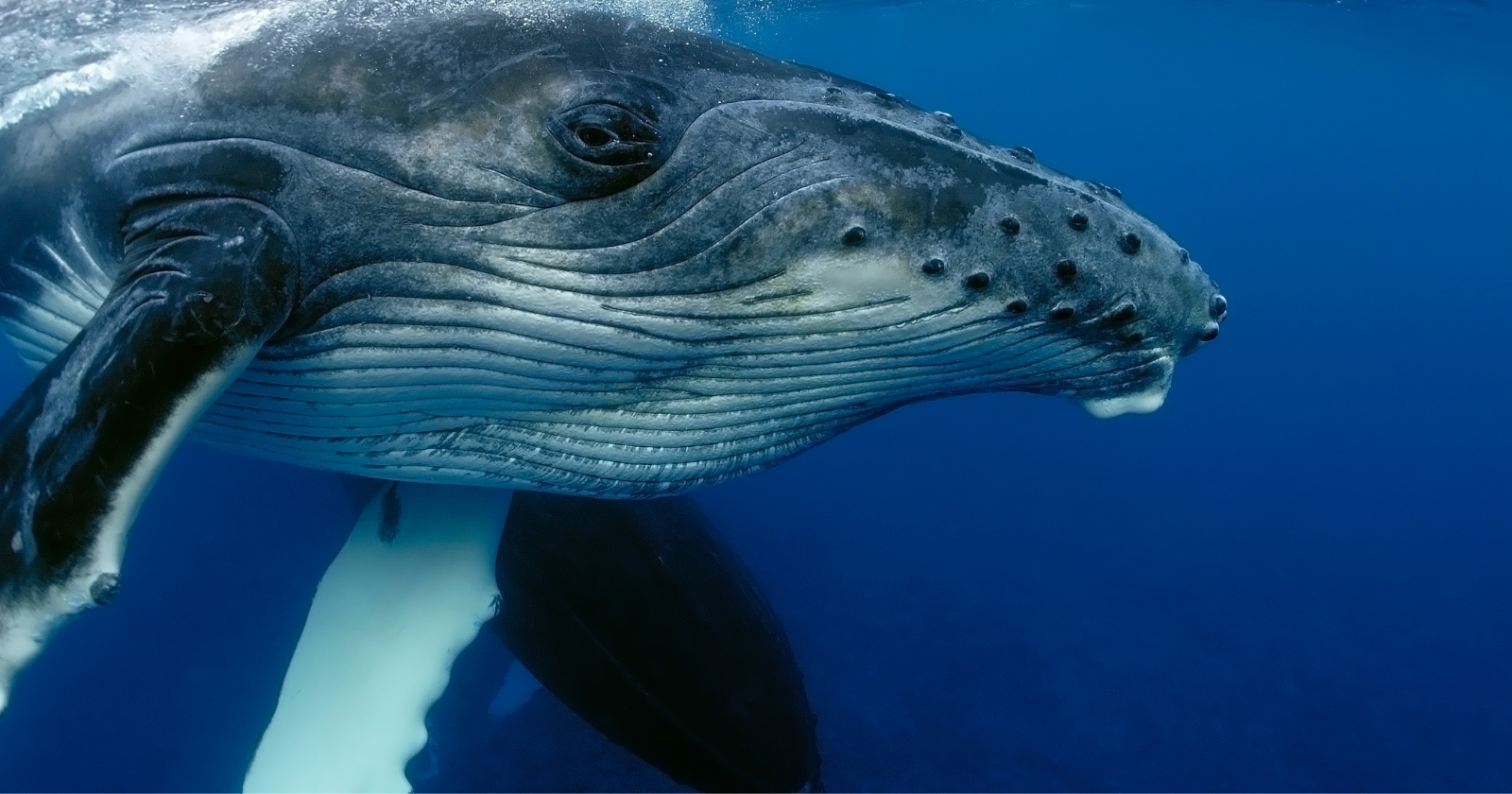
An ocean sunfish looks like an incomplete blueprint, characterized by its sizable, flat, grey physique and its seemingly astonished expression. Although it may not exude charm, there exists a distinctive narrative within the scientific arena about humpback whales safeguarding sunfish from orcas. This narrative is included in a review concerning humpbacks and orcas, compiling 115 instances of encounters documented over the span of sixty years by NOAA marine ecologist Robert Pitman and his collaborators. The study concludes with a question mark, symbolizing uncertainty regarding its findings.
**What transpired on the ice**
In January 2009, off the coast of Antarctica, ecologists Pitman and John Durban aimed to capture footage of orcas hunting seals. They witnessed an unforeseen occurrence: a Weddell seal eluded killer whales by taking shelter on a humpback whale. The whale even assisted the seal in remaining on its back until it located a more secure ice floe.
**One review, 115 interactions**
Typically, humpbacks took the initiative in these interactions. Only 11% entailed them defending fellow humpbacks, while other species that were involved included grey whale calves and sunfish. This behavior, resembling mobbing observed in birds, is unusual among whales and has yet to be extensively explored. Although some interpret it as cross-species altruism, it remains unproven.
**Why a whale might care**
The most straightforward explanation: safeguarding young. Orcas prey on juvenile humpbacks, but the large adult humpbacks have the potential to deter them. Therefore, reacting to orca hunting calls may be instinctual. An additional possibility could be a personal link, as certain whales with scars may intervene due to prior encounters.
**The Monterey Bay watch**
In 2012, killer whales targeted a grey whale calf in Monterey Bay. Even though the calf perished, a cohort of humpbacks showed up to thwart orcas from feeding, remaining for over six hours in spite of the nearby krill, their usual prey. This unusual behavior prompts inquiries regarding their motivations.
**Where the inquiry stands now**
Pitman, taken aback by the seal incident, promotes cautious interpretation of such behavior, often attributing it to self-interest. Nevertheless, Whale-SETI research indicates that humpbacks may exhibit actions that suggest possible non-human intelligence, particularly in light of their interactions with boats and swimmers. As humpback populations grow and encounters with orcas become more common, further investigation may reveal the reasons behind these interactions. The notion of whales instinctively responding to orca calls persists as a compelling theory.