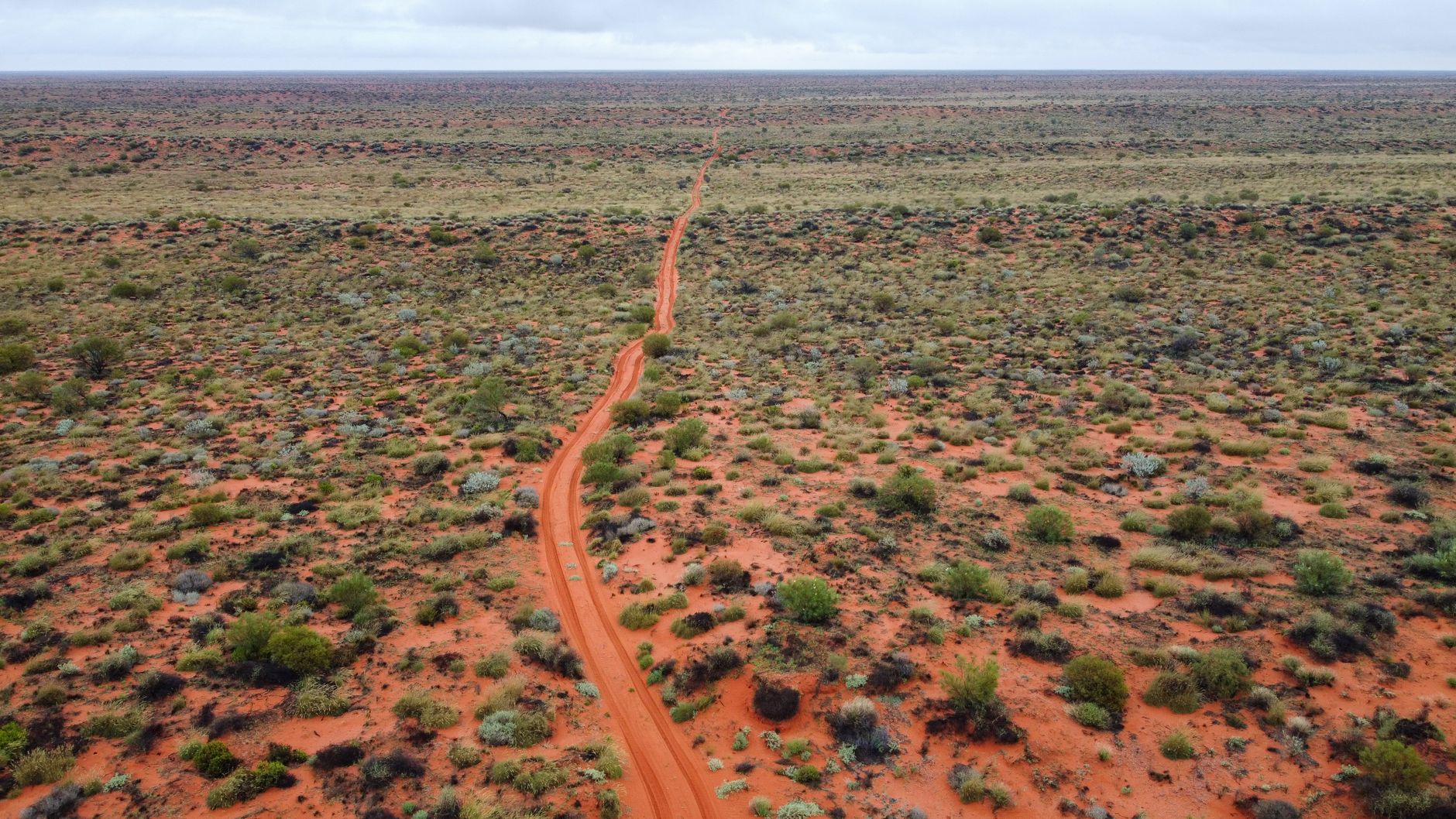
Sprinkled throughout portions of Western Australia are peculiar circular patches of bare earth, bordered by plant life and vacant in the center, which have been referred to as fairy circles by both locals and scientists for many years. Their unusual nature has led to folklore surrounding them. However, emerging research indicates that something more pragmatic could be occurring underneath at least some of these circles: hydrogen gas, rising from deep within the crust. If this connection is validated, these unassuming circles might serve as cost-effective markers in the quest for a low-carbon fuel. The concept is genuinely hopeful, and it remains in its early stages, thus it’s essential to differentiate between what has been observed and what still remains aspirational.
Actual discoveries made
The definitive finding is more specific and methodical than the sensational headlines regarding hidden treasures imply. A research team from Australia’s national science agency, the CSIRO, ventured into the field to analyze the gases present in the soil surrounding some of these circles. Under the leadership of Dr. Ema Frery, the researchers established the presence of natural hydrogen seeps in Australia by studying some of these fairy circles, conducting soil-gas analyses and observing surface indicators of hydrogen escaping from the ground. In straightforward terms, they deployed instruments into the soil and detected hydrogen migrating upwards, with higher concentrations typically observed around the edges of the circles instead of the exact center.
This represents a genuine outcome, and its significance lies in being the first solid validation that these Australian formations are indeed releasing hydrogen. It transitions the fairy circles from mere curiosities to potential candidates: not confirmation of a massive reservoir, but an indication that gas is migrating from some depth to the surface here, which is precisely the type of evidence geologists rely on to determine where to investigate further.
Reasons for focus on hydrogen, and its location
The intrigue surrounding this specific area stems from its geological composition. Natural hydrogen, sometimes referred to as gold hydrogen, differs from the manufactured hydrogen produced in industrial facilities; it is formed underground via chemical reactions involving water and certain iron-rich and ultramafic rocks, a process that can quietly yield gas over extensive geological timescales. The sites in Western Australia are located near a significant crustal boundary, the Darling Fault, where suitable rock types converge and where deep reactions capable of producing hydrogen are conceivable. This geological framework is why researchers believe the surface seeps could be associated with significant sources at depth rather than mere traces lacking any future potential.
The attraction is evident. Hydrogen combusts without emitting carbon dioxide, and a naturally occurring, continually generated supply would avoid the energy and cost associated with its industrial production. This is why there has been a surge of interest following these discoveries. However, the mere desire for a resource to be abundant and cost-effective does not make it a reality, and the gap between a detectable seep and a viable production field is significant.
The concept of signposts, and their allure
The most thrilling proposition is that the circles themselves could function as a cost-effective exploration tool. Drilling incurs high expenses, and a substantial portion of the cost involved in any resource exploration is determining where to drill. If a visible surface feature reliably indicated hydrogen below, it could greatly refine the search. Some researchers have even suggested that larger circles often correlate with deeper, higher-pressure sources, which would render the surface pattern not merely a binary indicator but also a rough heuristic of what lies underneath. When interpreted through satellite imagery, such features could guide exploration towards the most promising locations without inundating the landscape with test wells.
This paints an enticing picture, and one could fairly consider it a viable working hypothesis. However, it has not yet become an established technique. The relationship between circles and hydrogen has been illustrated in certain areas but not universally proven, and transforming a promising pattern into a reliable prospecting method requires many more sites, thorough controls, and substantial drilling to validate or dismiss.
Essential disclaimers
A few warnings help maintain proper perspective. First, the term fairy circle serves a dual purpose, and it is essential not to confuse two distinct concepts. In Namibia and other regions, fairy circles represent a well-known ecological conundrum regarding vegetation patterns, with discussions centered around termites and plant competition unrelated to gas. The Australian hydrogen narrative adopts the same evocative term for what are essentially gas-emitting depressions, and the visual similarity does not imply that the two phenomena share a common cause.
Second, detecting a seep does not equate to confirming a reserve. Establishing that hydrogen reaches the surface at a location indicates that gas is being generated and migrating, but it does not inform you about the volume present or if it is constrained in a way that…