**The Mongoose Introduction Saga: A Story of Pest Control Miscalculations and Lasting Ecological Effects**
The arrival of the mongoose in Hawaii is frequently referenced as a prime illustration of unsuccessful pest control initiatives. Nevertheless, this account wrongly attributes the move to scientific motivations when, in fact, it was fueled by the instincts of private industry rather than methodical inquiry. The shortcomings of this endeavor reveal a vital ecological insight: comprehending predator-prey relationships is critical for successful biological management.
**The Original Issue**
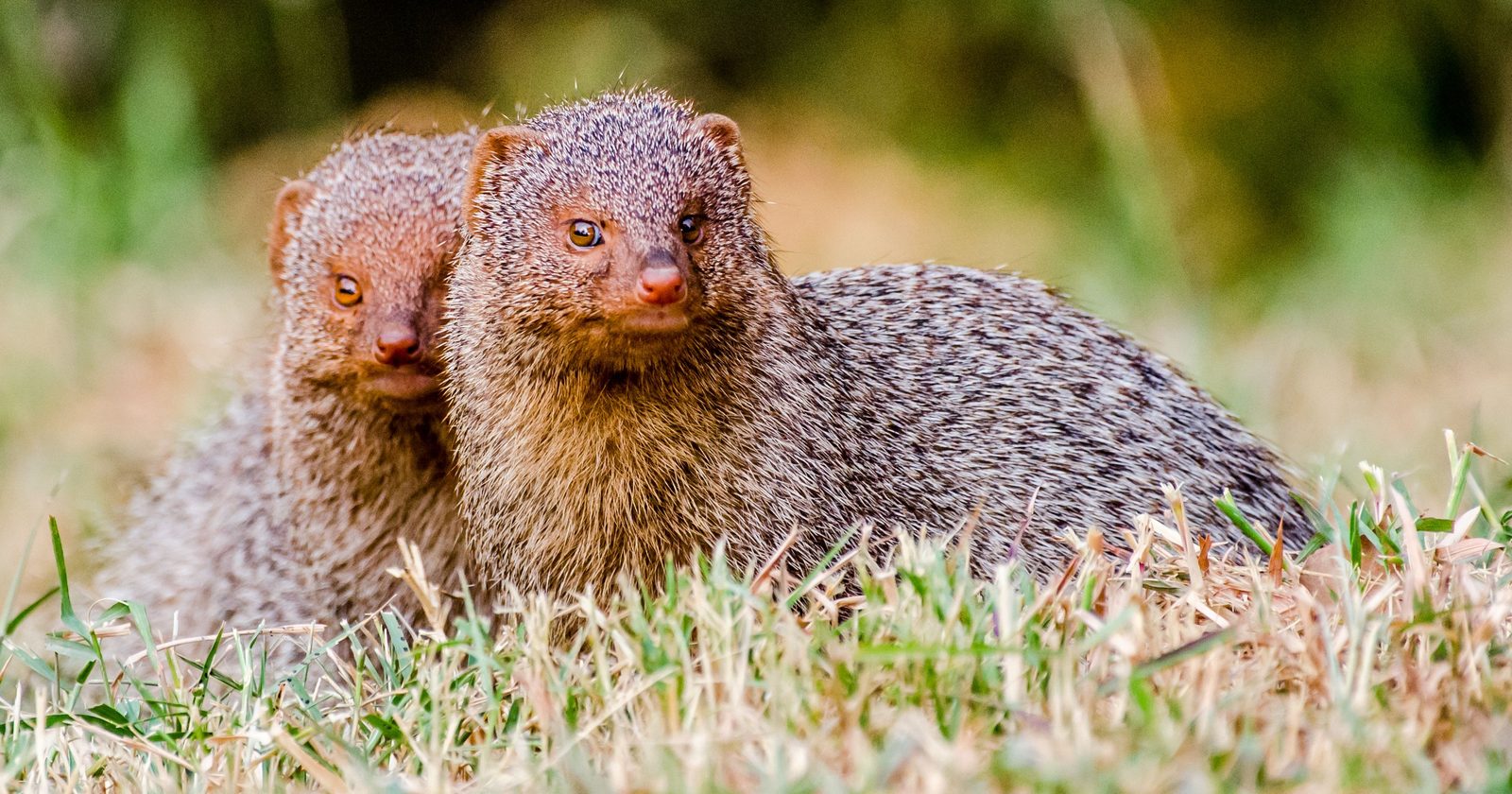
During the 1880s, the sugarcane farms in Hawaii encountered significant destruction caused by rats. In search of a remedy, plantation owners opted to introduce a predator of rats to the islands. The small Indian mongoose, recognized for its rat-hunting capabilities, appeared to be a suitable selection. As a result, 72 mongooses were released along the Hilo–Hāmākua coastline of Hawaii Island and were later distributed to Maui, Molokaʻi, and Oʻahu.
**The Critical Flaw**
From the beginning, the mongoose was poorly suited for the job. Since rats are nocturnal, they did not coincide with the daytime activities of mongooses, resulting in a disconnect in their predatory needs that was apparent from the start. The Maui Invasive Species Committee explains that although mongooses do prey on rats, their main diet consists of insects, birds, eggs, and various plants. The anticipated predator-prey interaction failed to occur, leaving the rat population largely unaffected.
**Unforeseen Results**
With the rat problem unaddressed, mongooses sought out other available prey, particularly Hawaii’s indigenous birds. These avian species, having evolved without the presence of mammalian predators, were particularly susceptible, especially those that nest on the ground. Mongooses pose a severe threat to eight bird species that are federally protected in Hawaii. Although the expected agricultural advantages never materialized, the toll on native wildlife was significant.
**Lasting Consequences**
The effects of this decision are still observable today. The mongoose continues to be a significant danger to Hawaiian bird species. This is illustrated by the situation of the nēnē, or Hawaiian goose, which experienced a sharp drop in its population. While conservation initiatives, including breeding in captivity, have aided in recovering population numbers, predation by mongooses has hindered progress. Interestingly, the nēnē population is flourishing on Kauaʻi—an island that mongooses have never occupied.
In a similar vein, Hawaiian petrels, or ‘ua’u, are at risk due to a mixture of mongoose predation and other introduced threats. The Division of Forestry and Wildlife reports notable population declines, especially on Kauaʻi, where radar data recorded a 78% decrease between 1993 and 2013. Mongooses and rats now cohabit as existential risks to Hawaii’s delicate bird life.
**Essential Insights**
The mongoose situation illustrates the necessity of ecological foresight in biological control strategies. It shows how appealing solutions can neglect essential ecological behaviors and interactions. Currently, pest control practices emphasize comprehensive research to comprehend potential consequences prior to introducing new species, ensuring that history does not repeat itself. The ongoing presence of mongooses alongside enduring rat populations underscores the repercussions of misguided ecological actions, with Kauaʻi’s mongoose-free bird populations standing as a powerful reminder of what can be preserved through careful environmental decision-making.