The Science Fair Project: A Surprising Revelation in Ink Economy
The science fair project at Dorseyville Middle School, located near Pittsburgh, tackled a traditional challenge: find ways to minimize waste. For most of the students, this meant concentrating on paper waste. However, 14-year-old Suvir Mirchandani recognized a different facet – not the paper, but the ink.
Suvir noticed a rise in the handouts he received at his new school, along with inconsistencies in the darkness of teachers’ printouts, which led him to a critical inquiry. While paper recycling was a trending topic, discussions about the ink that adorned it were virtually nonexistent. This finding was particularly captivating considering that, in terms of volume, ink was more expensive than paper.
More Valuable than Perfume
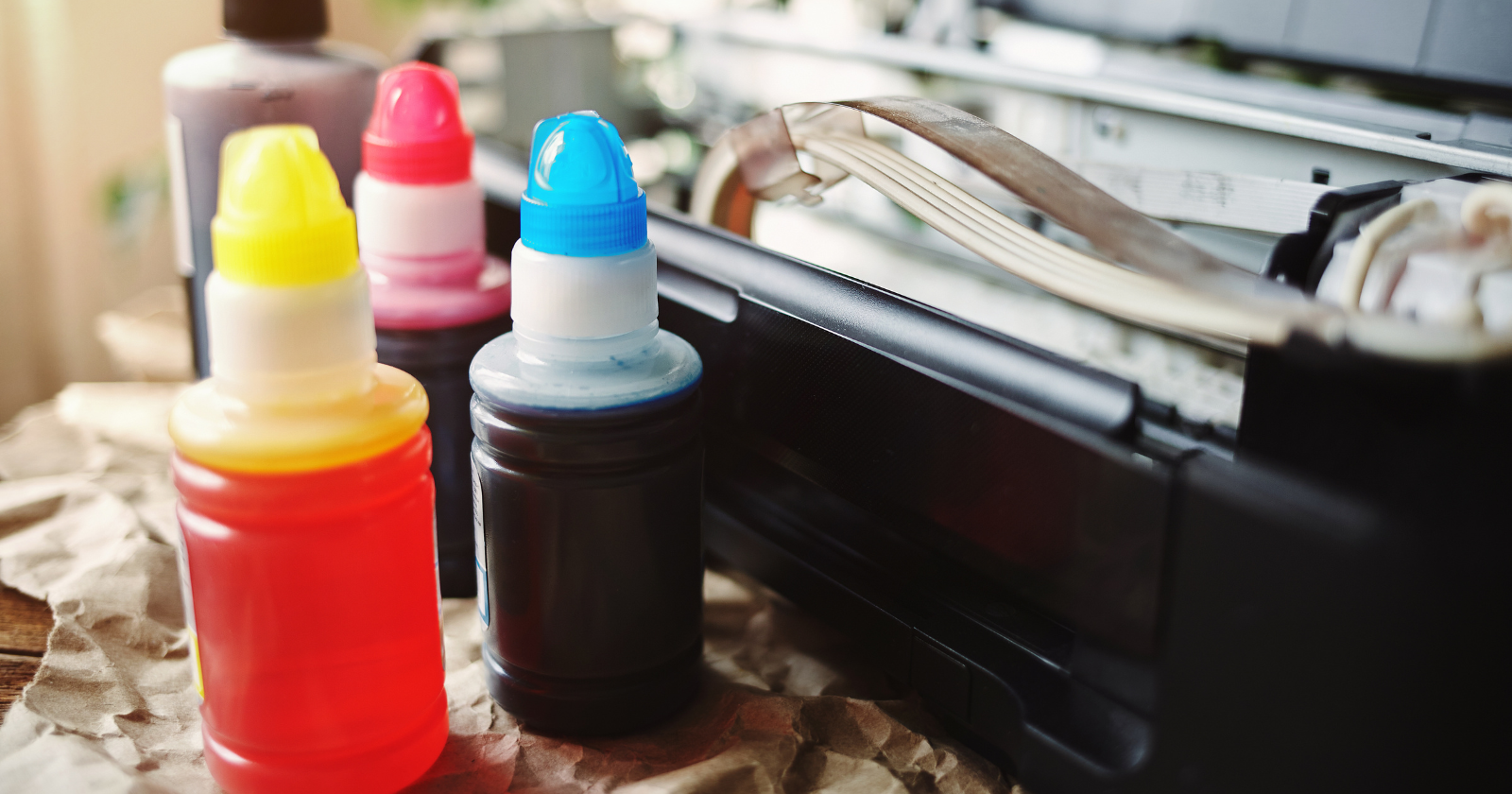
The key fact that supported Suvir’s project was the notably high price of printer ink. He emphasized in interviews the astonishing discovery that printer ink is, by weight, costlier than high-end French perfume. For instance, while Chanel No. 5 retails for about $38 per ounce, a similar amount of printer ink can go for as much as $75, making ink a more valuable commodity than paper.
Suvir speculated that the choice of font could have a substantial effect on ink consumption. As a result, he conducted an experiment that examined five commonly used letters — e, t, a, o, r — and evaluated their ink usage when printed in four popular fonts at his school: Garamond, Times New Roman, Century Gothic, and Comic Sans. Utilizing commercial ink-coverage software and verifying the findings through a hands-on method of printing, cutting, and weighing letters, Suvir discovered Garamond to be the most ink-efficient, using 24% less ink than its peers. He estimated that by switching to Garamond, his school district could save approximately $21,000 each year without altering any content.
Expanding to Washington
Rather than ending his project there, Suvir broadened his analysis and submitted it to the Journal for Emerging Investigators. The journal’s reviewers, impressed by his results, challenged him to apply his findings on a federal level. Given the extensive printing done by the federal government, which costs around $1.8 billion annually with ink accounting for $467 million of that total, Suvir expanded his investigation.
By using actual federal documents, Suvir’s ongoing research indicated that adopting Garamond could cut ink expenses by almost 30%, resulting in potential federal savings of $136 million yearly. Implementing this change at the state government level could further enhance savings, approaching nearly $400 million annually simply by altering a font.
Washington Takes Notice
The widespread attention Suvir’s research received in 2014 resulted in a reaction from the government. Gary Somerset from the Government Printing Office described the study as “remarkable,” acknowledging the proposal as deserving of consideration. However, the transition never came to fruition as the GPO’s main priority was digitizing documents, which significantly reduced print runs. Additionally, typography experts pointed out that professional printing practices differed from desktop versions, and Garamond’s delicate strokes could impair readability in smaller sizes. Even Suvir’s school district ultimately opted against the change.
Why the Narrative Persists
Despite the lack of official implementation, Suvir’s study remains in the public consciousness, surfacing periodically for its insightful premise. His approach redirected focus from the typical emphasis on paper to the frequently overlooked yet pricier element: ink. His innovative perspective unveiled possible cost savings in established practices that were generally overlooked.
While the federal government maintained its typefaces, Suvir achieved something meaningful. He secured a peer-reviewed publication, reached a national audience, and, uniquely, elicited formal governmental acknowledgment of the validity of a science fair project. By demonstrating minimal ink usage, the larger victory was Suvir’s astute questioning of standard printing practices, a tale that continues to motivate.