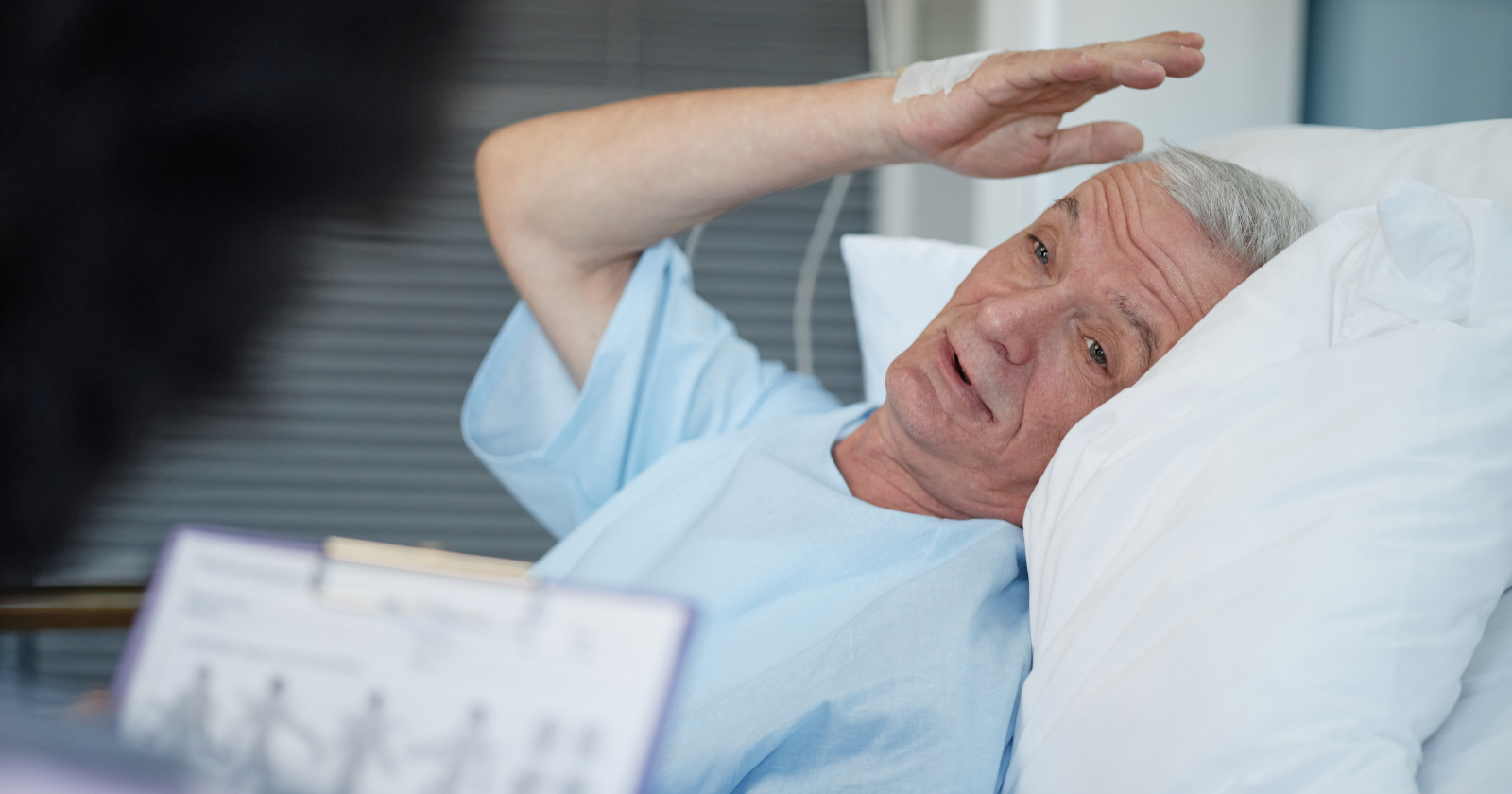
In April 2019, a pioneering study was initiated at the German Aerospace Center’s :envihab facility located in Cologne. The research set out to replicate the effects of the space environment on human biology by placing 24 healthy volunteers under a 60-day enforced bed rest with their beds inclined six degrees head-down. This slight tilt simulates the microgravity effects encountered by astronauts, where the redistribution of fluids results in swollen faces and slender legs. Participants were obliged to stay in contact with the mattress at all times, consuming meals on their sides under the careful observation of student monitors. During the course of the study, blood samples were diligently gathered, and a comprehensive array of 650 hours of experiments was carried out on the initial twelve participants.
Volunteers received significant remuneration of 16,500 euros (around 19,000 US dollars) for their 89-day participation, which attracted considerable media interest. After the participants stood up post-experiment, researchers aimed to comprehend the physiological adaptations that occurred due to two months of inactivity.
The investigation, spearheaded by Andreas Kramer at the University of Konstanz, demonstrated substantial declines in calf muscle strength among the eight volunteers in the control group. Plantar flexion strength declined by 48 percent, and the rate of force development decreased by 40 percent. Maximal oxygen uptake diminished across all groups, indicating a reduction in aerobic capacity.
Conversely, 16 participants engaged in daily sessions on a centrifuge, supplying periodic gravitational forces. These sessions managed to limit calf strength loss to 31-35 percent, yet aerobic fitness remained unaffected. The results from the centrifuge only showed moderate advantages, likely due to participants using calf muscles for stabilization to avoid fainting.
Interestingly, specific muscle groups exhibited minimal alterations. Dorsiflexion strength experienced a mere 3 percent decline, and trunk flexor strength remained unchanged. In contrast, trunk extension strength fell over 20 percent, emphasizing how muscles primarily counteracting gravity are more vulnerable to deterioration.
Differences related to gender also surfaced: women faced greater losses in knee extension strength and jumping capability relative to men. This observation, while important, calls for additional examination owing to the underrepresentation of females in previous research. Upcoming space missions would need to account for gender-specific countermeasures.
A viable countermeasure to muscle atrophy caused by bed rest already exists. Earlier studies at the :envihab facility indicated that daily jumping exercises on a lying sledge rig effectively averted significant reductions in muscle and bone density, surpassing the efficacy of rotating centrifuge sessions. These outcomes highlight the importance of integrating targeted exercise programs to mitigate the impacts of extended inactivity both on Earth and in space environments.
Muscle weakening due to prolonged bed rest is not limited to astronauts. A systematic review published in Frontiers in Nutrition highlighted that elderly patients confined to hospital beds are particularly susceptible to similar declines, stressing the necessity of proactive interventions to sustain physical health within aging communities.