In 1921, the hamburger was seen more as an oddity than a food essential, often eaten in private. Emerging from fairgrounds, these primitive burgers resembled meatballs sandwiched between bread, missing both flavor and dependable sourcing. Yet, a transformation was quietly taking place in Wichita.
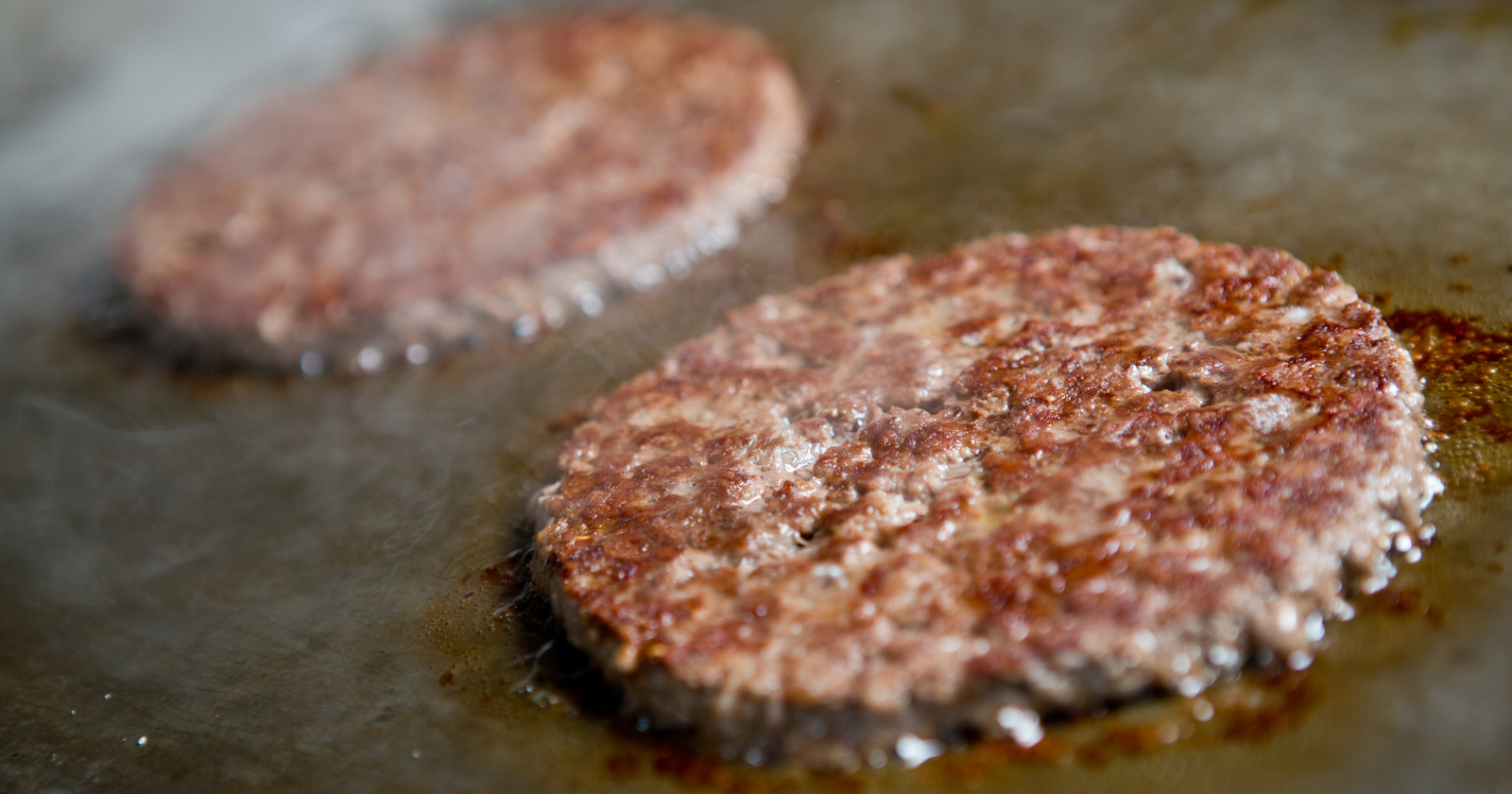
Walter Anderson, a creative fry cook, revolutionized this by flattening the meatball into a patty, cooking it with onions to boost flavor, and greatly shortening cooking times. His achievements drew the interest of Edgar Waldo Ingram, who imagined a uniform, reliable hamburger experience—all under the White Castle name that epitomized cleanliness and dependability.
During a period of doubt about ground beef, primarily due to Upton Sinclair’s exposé “The Jungle,” Anderson and Ingram developed clear preparation methods to alleviate public anxieties. This clarity extended to the design of their establishments. Pristine, white-bricked buildings with observable kitchen activities became a hallmark, winning over a hesitant public through both design and approach. Prefabricated structures facilitated adaptability and growth, responding to city real estate trends while ensuring consistent service across different sites.
A crucial marketing strategy included inviting women to examine their kitchens, building consumer confidence in an age when dining out was not yet commonplace for families. To further substantiate the integrity of their offerings, Ingram backed a university-supported assertion of nutritional adequacy, featured in their advertisements.
White Castle’s impact guaranteed its persistence and expansion, even in the face of competitors. Its commitment to operational consistency established it as a reliable brand. Despite the founders’ separation and eventual corporate changes, White Castle fundamentally transformed America’s food landscape, teaching consumers to appreciate a previously taboo treat.