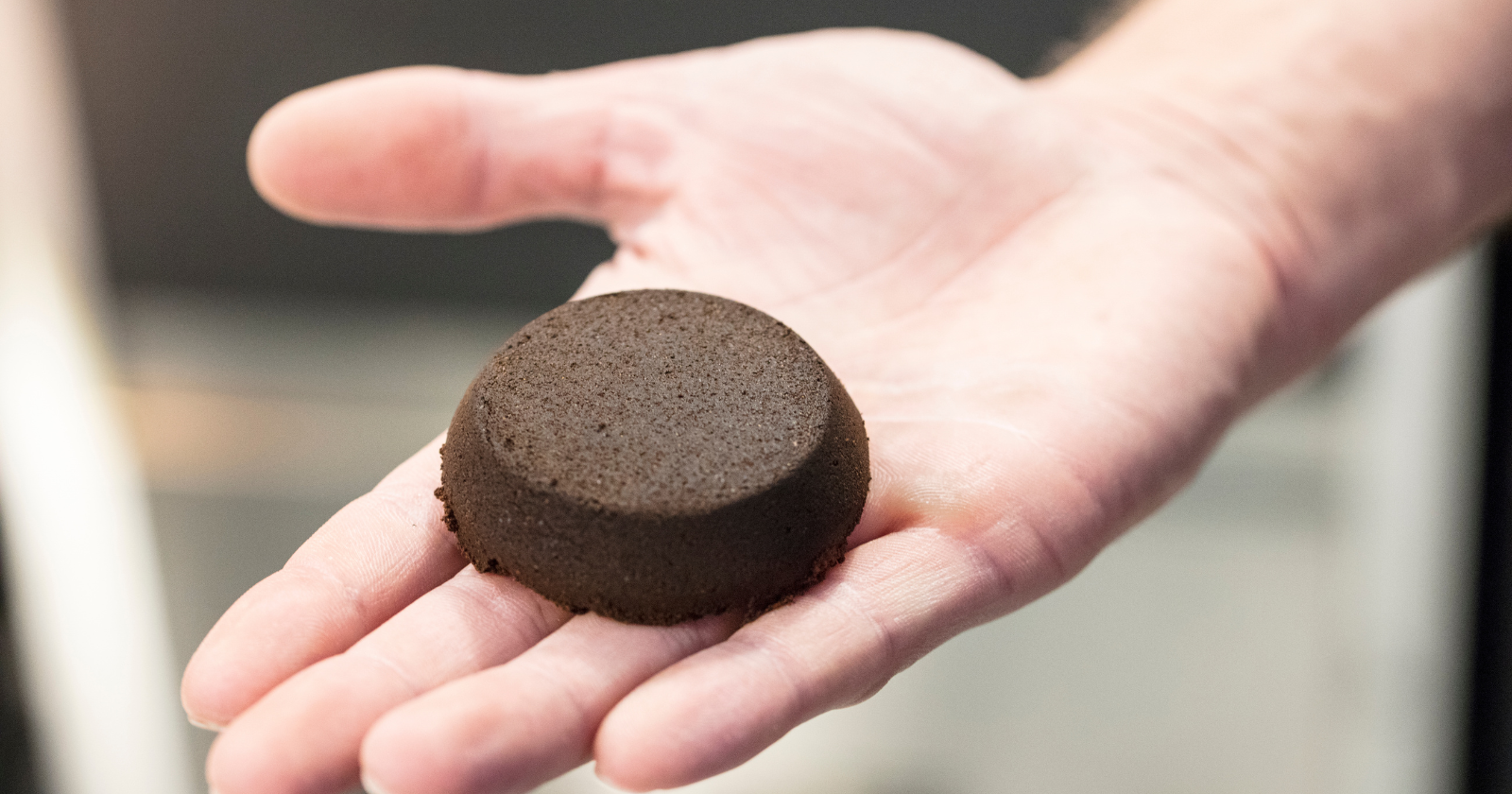
**Coffee Waste Enhances Concrete Durability: RMIT University Discovery**
An innovative study from RMIT University in Melbourne has demonstrated that incorporating coffee waste into concrete production not only strengthens the material but also tackles major environmental challenges. By converting used coffee grounds into biochar—via a charring technique at 350 degrees Celsius in an oxygen-free setting—and replacing 15 percent of the sand in concrete mixtures, the researchers achieved a 29.3 percent enhancement in compressive strength compared to conventional mixtures.
This groundbreaking method addresses two widespread issues: excessive organic waste and the shortage of construction-grade sand. Australia alone disposes of roughly 75 million kilograms of coffee waste each year. Rather than contributing to landfill emissions, this waste can be repurposed for sustainable building practices.
The biochar-sand substitution offers a decrease in the environmental consequences linked to sand extraction, addressing a supply challenge associated with the growing demand for construction materials. The global construction sector utilizes approximately 50 billion tonnes of natural sand annually, mostly sourced from vulnerable riverbeds.
Although the initial findings are encouraging, additional research is required to evaluate the long-term durability of this coffee-infused concrete and its suitability for real-world construction requirements. RMIT’s team is actively engaging in more field trials and life-cycle assessments to ensure the practical feasibility and environmental advantages of this eco-friendly material.