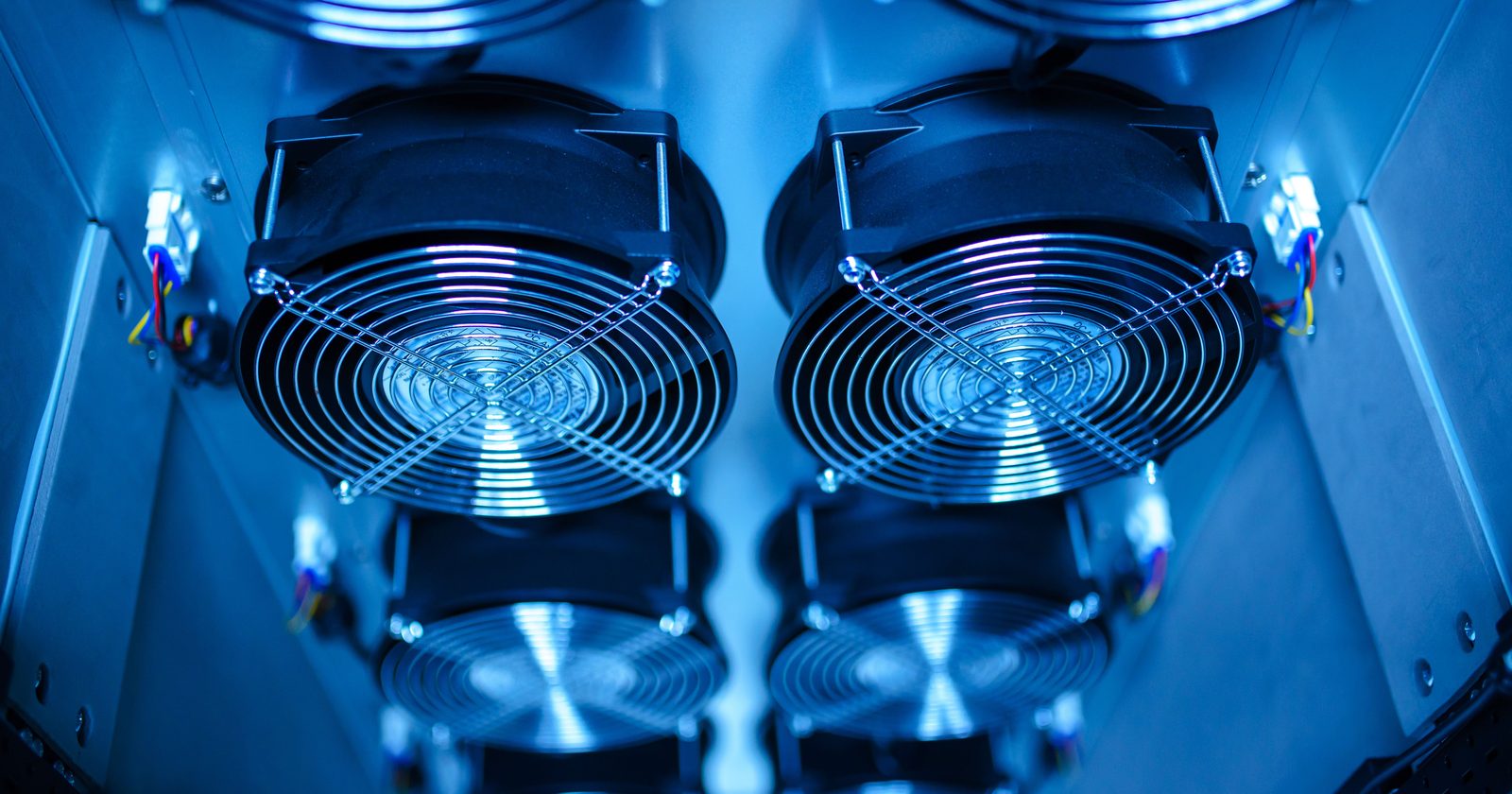
Nearly all the electricity a data center draws from the grid is released as heat. One analysis estimates this at about 90%. Essentially, a data center operates as a highly costly radiator. However, a significant portion of that heat goes unused, simply being vented into the atmosphere.
The intriguing question is what a facility might accomplish with the heat if it opted not to waste it. Meta’s location in Odense, Denmark serves as one of the few examples that provide insight.
Where the lost heat ends up
Cooling is the primary area where energy gets consumed. The Environmental and Energy Study Institute states that approximately 40% of a data center’s energy consumption goes toward maintaining server temperatures, with nearly all of that converting to heat.
The obstacle lies in temperature. Server exhaust is warm but not sufficiently hot, and warm-but-not-hot is of little use to anyone wanting to heat a building. The low temperature of this waste heat restricts its immediate usage, necessitating a temperature increase before it can warm homes. This aspect is where Odense employs ingenuity.
What Odense effectively implements
The approach is less complicated than it may seem. Water from the city’s district-heating network passes through the data center’s cooling systems, absorbing the low heat produced by the servers. It then flows to a nearby facility filled with heat pumps that elevate the temperature before the water is distributed to residences.
The engineering consultancy Ramboll, which developed the recovery system for the district-heating provider Fjernvarme Fyn, indicates that the ammonia heat pumps elevate the water to 70 to 75°C, sufficient for radiators, before integrating it into the network.
Meta’s energy expert, Lauren Edelman, describes this innovation as being about scale rather than individual components. Edelman states, “Heat pumps are not a fresh concept, nor are coils for gathering heat. What’s innovative is the combination of these two at hyper scale.” There is no groundbreaking physics involved. The components are standard. However, the execution at the scale of a hyperscale data center is what makes it noteworthy, though this evaluation comes from the operator.
The output is considerable. Ramboll’s project description indicates approximately 45 MW of heat being fed directly into the Odense network, and this facility holds the title for the largest heat-pump installation in Denmark.
Why the home count fluctuates
Ramboll’s statistics account for the recovery of 215,000 MWh annually and heating over 12,000 homes. However, if you investigate further, you may come across smaller figures associated with the same endeavor. These numbers reflect the project’s stages and the entity doing the counting.
Meta’s initial documents mention around 6,900 homes and 100,000 MWh annually for the first infrastructure. Following an expansion, Meta reported an increase to 165,000 MWh and 11,000 homes. Ramboll’s 2023 estimate suggested the complete system served over 12,000 homes, yet Fjernvarme Fyn indicated in 2025 that Meta’s data center was effectively supplying surplus heat equivalent to about 11,000 households.
Different projects, different timelines, different counters. The range illustrates the growth of these initiatives.
Can others replicate it?
The heat pumps and coils are accessible to anyone. What sets Odense apart is the availability of a destination for the heat.
Jan Strømvig, head of Fjernvarme Fyn, openly acknowledges this. He states, “Our project is relatively unique because we possess an extensive distribution network. And Facebook [now Meta] has situated the data center entirely within our distribution infrastructure, allowing us to utilize the energy very, very efficiently in our system.” The core idea is valid regardless of the source. The data center was integrated into a heating grid that already connected to thousands of homes.
Denmark’s infrastructure makes the financial aspects function in a manner that’s challenging to mimic elsewhere. Extensive district heating is a rare resource, and heat doesn’t travel efficiently, meaning you cannot place a data center far from the buildings it serves.
Nonetheless, momentum may be gaining. Ramboll cites a figure from the Danish Data Centre Industry indicating that 63% of data centers intend to leverage their surplus heat in the near future.
What Odense truly illustrates is not merely a technological advancement. The challenging aspect was never the heat pump itself. It was having an extensive pipeline network already established, sufficiently sized to accommodate everything a hyperscale data center can provide.