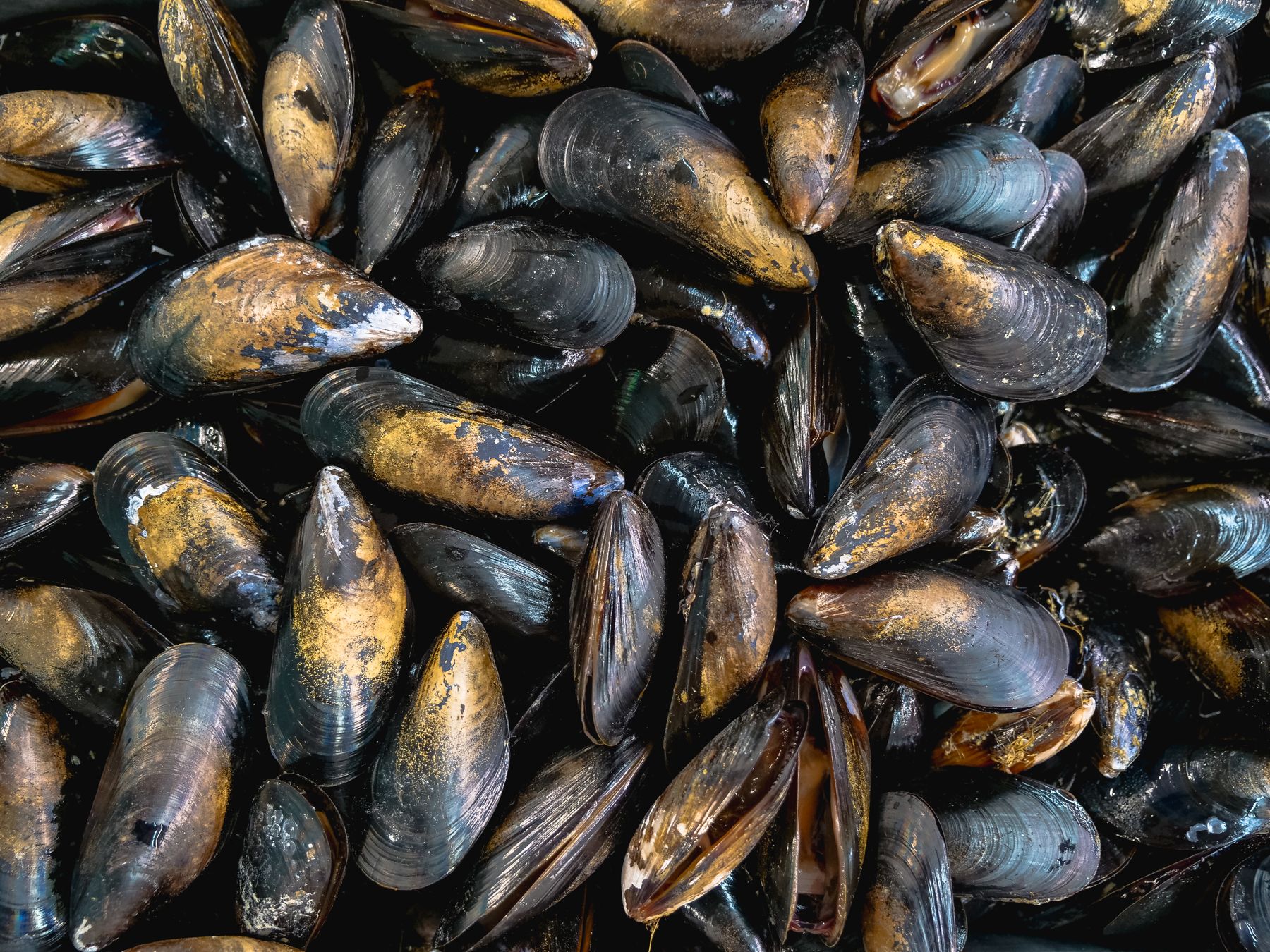
Belgium’s Edulis research initiative showcases an innovative approach to offshore mussel farming within wind energy installations. Launched by Ghent University, ILVO, and OD Natural Environment, the project commenced in 2017 with a dual installation strategy. The biological growth line was established at C-Power to investigate mussel settlement, while the force-measuring line at Belwind was designed to comprehend structural load dynamics under challenging maritime conditions.
In November 2017, researchers adeptly deployed an instrumented mussel longline at the Belwind location, anticipating severe winter conditions to rigorously evaluate design durability. As anticipated, December and January brought waves exceeding nine meters, which the installation endured, except for some damage to force-sensor cables. This underscored the infrastructure’s robustness while highlighting measurement difficulties.
The Edulis project recorded its first mussel harvest in May 2018, attributed to the combined efforts of both installations. Although this initial yield was modest, it demonstrated potential and paved the way for commercial opportunities. The Belwind line, initially equipped with cultivated mussels, enabled the analysis of forces on existing biomass, delineating growth-induced loading variations. The interrelation of anchors, ropes, and floats remained crucial to ensure no disruption to wind farm operations.
Despite the success of the harvest, several aspects of commercial viability remained unresolved, such as consistent production across various setups, the effects of biogenic fouling, logistical hurdles, and the economic sustainability of offshore cultivation systems. By September 2020, follow-up trials established that mussels reaching market size required roughly 15 months, with yields averaging 10 kilograms per meter of rope.
Ongoing experimentation is essential, as demonstrated by the Dutch ULTFARMS project in 2025, where similar challenges, like storm-related damage, underscore persistent efforts to refine offshore aquaculture technologies. These trials are foundational in shaping the future of mussel farming within wind-integrated environments, offering invaluable insights into harmonizing marine agriculture with renewable energy infrastructure.