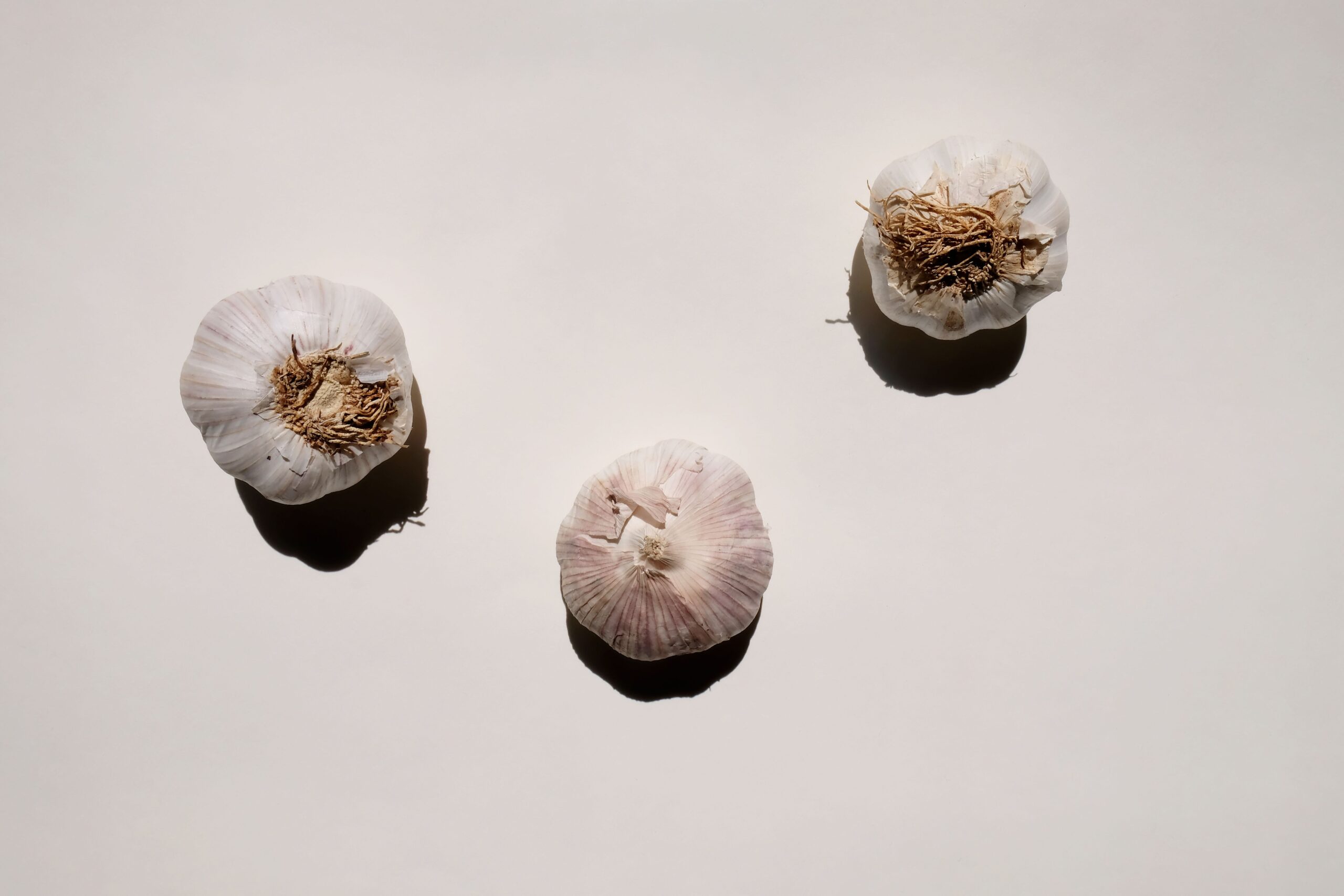
In 2015, a revived medieval ocular remedy decreased recoverable *Staphylococcus aureus* in laboratory biofilms by four to five orders of magnitude. In a follow-up experiment, infected dermal tissue extracted from mice and immersed in the blend for four hours showed roughly 90 percent fewer viable MRSA cells.
This was not a clinical trial involving human subjects, nor a four-hour treatment of living mice. The comparison occurred in excised tissue after the animals had been euthanized, a distinction that is significant when contrasted with a contemporary antibiotic.
This is research reporting, not a suggestion for treatment. The mixture must not be utilized on an eye or wound.
## The formula originated from a tenth-century medical text
The foundation was [British Library Royal MS 12 D XVII](https://searcharchives.bl.uk/catalog/040-002106754), a parchment manuscript referred to as Bald’s Leechbook. Its contents comprise medical remedies, diagnoses, charms, and prognostic writings. The first two volumes were assembled for an individual named Bald, as indicated by a colophon, although the remaining manuscript does not resemble a laboratory notebook by modern standards.
One instruction outlines a balm for a “wen,” or swelling, in the eye. The condition was likely a stye, an infection of an eyelash follicle often caused by *S. aureus*. The healer was instructed to crush equal parts of garlic and *cropleac*, add equal measures of wine and oxgall, store the mixture in a brass container for nine nights, strain it, and then apply it with a feather.
*Cropleac* does not directly correspond to a specific modern plant name. Freya Harrison and her team therefore recreated two variants, one featuring onion and the other with leek. Oxgall provided bovine bile. Instead of an ancient bowl, the team utilized glass bottles containing sterile brass sheet squares to simulate contact with a copper-alloy container.
They also covered the bottles to block light and kept them at 4 degrees Celsius for nine days. The cooler temperature was a practical measure to prevent the large daily fluctuations found in a heated laboratory, not a claim suggesting that an Anglo-Saxon healer had access to refrigeration.
## Nine nights yielded the most potent biofilm elimination
The [peer-reviewed article, led by Harrison and published in *mBio*](https://journals.asm.org/doi/10.1128/mbio.01129-15), commenced with free-floating bacterial cultures. Both complete salves inhibited visible growth, and transferred samples did not regrow in fresh medium. This indicated that the bacteria were killed rather than simply experiencing a temporary halt in growth under those circumstances.
The more rigorous experiment utilized one-day-old *S. aureus* biofilms in collagen-based synthetic wounds. Biofilms are dense clusters of microbes ensconced within a self-generated matrix. They often behave quite differently than individual cells in a flask and are typically more difficult for antimicrobial agents to penetrate.
Freshly made onion and leek salves reduced viable cells by around two orders of magnitude. The same recipes, following the mandated nine-day maturation, yielded reductions of four to five orders of magnitude compared to water controls. A four-log decrease corresponds to 99.99 percent fewer recoverable cells, whereas a five-log decrease corresponds to 99.999 percent fewer.
That validates the title’s “more than 99.99 percent” statement regarding the strongest outcomes, but this is not indicative of a cure rate. It compares colony-forming units retrieved from a small laboratory model after 24 hours of exposure.
This is a singular study, not an established consensus. The timing test employed five biofilm cultures per treatment, and the researchers also noted some variation between batches.
## The four-hour mouse-wound assessment utilized excised tissue
For the MRSA study, six adult female Swiss-Webster mice were inflicted with wounds infected with the Mu50 strain. Four days later, the mice were euthanized. Investigators excised the wound tissue, partitioned it into segments, and immersed those segments in saline, the onion salve, the leek salve, or vancomycin at 100 micrograms per milliliter.
After four hours, both salve variations resulted in statistically significant reductions of roughly tenfold in viable MRSA retrieved per gram of tissue. A tenfold reduction translates to about one-tenth as many cells, making the description “about 90 percent” reasonable.
Vancomycin did not yield a statistically significant reduction during the same short exposure. The paper states a P value of 0.491 for that comparison, which is well above the conventional 0.05 benchmark.
This does not prove that the salve is more effective than vancomycin as a treatment. The antibiotic group obtained one tissue sample from only three mice, the exposure lasted four hours, and the procedure removed the tissue from circulation and the immune response. It compared short-term bacterial survival under a single ex vivo protocol, not healing, dosage, side effects, or clinical results.
The [University of Nottingham’s initial announcement