Easton LaChappelle’s Evolution from Hobbyist to Pioneer in Prosthetics
Easton LaChappelle’s foray into robotics initiated in the quaint town of Mancos, Colorado, which has a population of barely 1,200. At the age of 14, inspired by a mix of curiosity and boredom, LaChappelle set out on a self-directed quest to build a robotic hand utilizing YouTube tutorials and online guidance. This initial creation, a functioning hand crafted from everyday materials such as surgical tubing, fishing line, and LEGO bricks, signified the beginning of an incredible journey.
A Defining Moment
LaChappelle’s basic yet operational prototype caught the eye of many when he presented it at the Colorado State Science and Engineering Fair, securing third place. However, the transformative moment of his expedition arose not from his recognition but rather from a serendipitous encounter with a seven-year-old girl who possessed an $80,000 prosthetic arm that she was quickly outgrowing. This daunting cost, paired with restricted functionality and the certainty of outgrowing the appliance, ignited LaChappelle’s desire to innovate affordability and advancement in the field of prosthetic technology.
Transforming Prosthetics
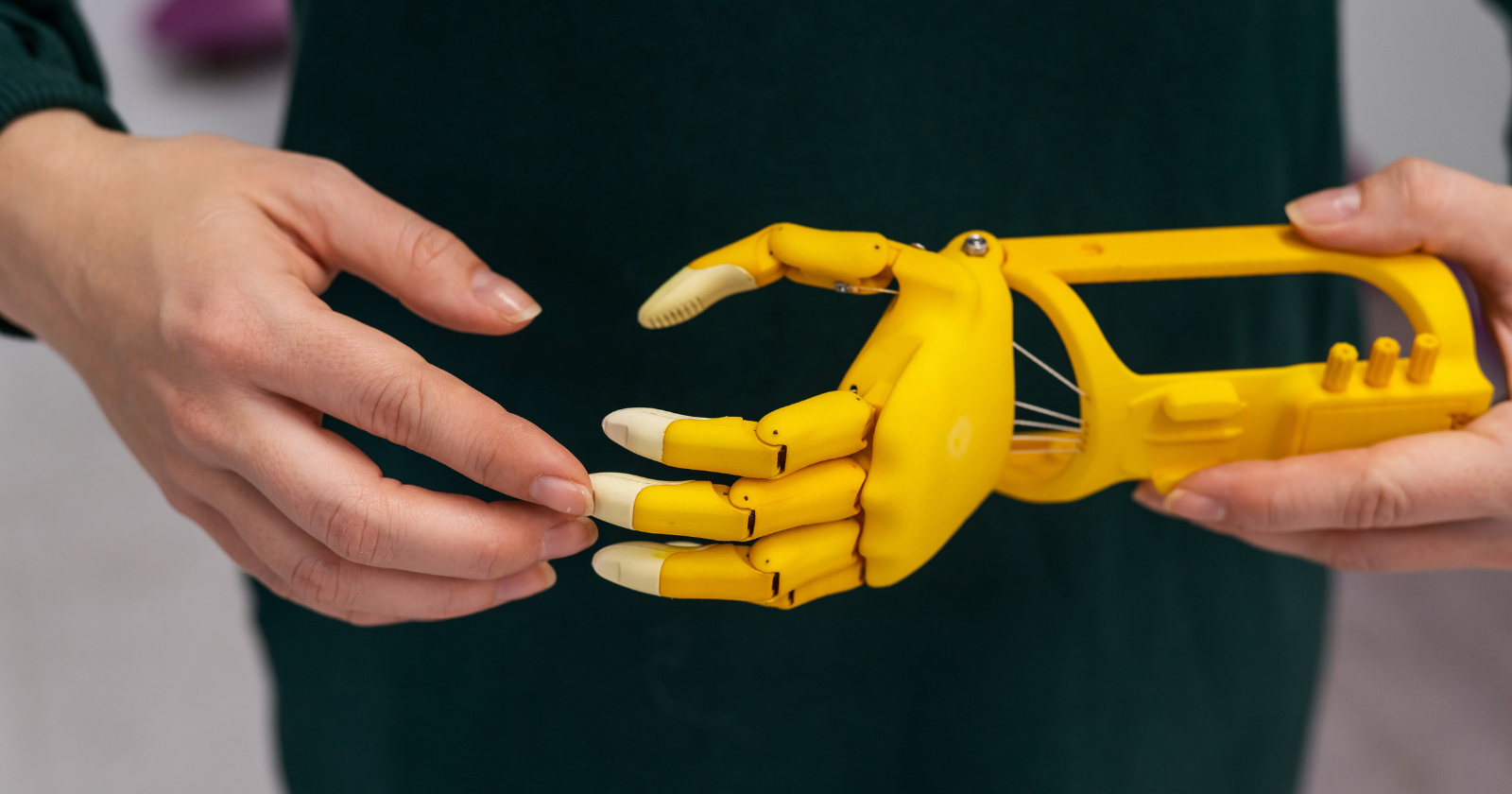
The discovery regarding the staggering expense of conventional prosthetics propelled LaChappelle to explore the utilization of 3D printing to revolutionize the industry. With his expanding knowledge, he refined his designs to develop a prosthetic arm that could be 3D printed, dramatically lowering production expenses to around $250-$400. This breakthrough not only rendered advanced prosthetics more accessible but also customizable, incorporating features like brainwave integration for movement.
Creativity and Acknowledgment
LaChappelle’s inventive spirit attracted national recognition, leading to esteemed opportunities, including an invitation to the White House Science Fair where he displayed his robotic hand to President Obama. At merely 17, LaChappelle became an intern at NASA’s Johnson Space Center, contributing to the development of Robonaut 2, a humanoid initiative intended for space tasks.
Unlimited Tomorrow: Making Advanced Prosthetics Accessible
Aiming to extend his influence, LaChappelle established Unlimited Tomorrow, a company dedicated to creating low-cost, tailored prosthetics using 3D scanning and printing technology. This method allows for economically feasible, advanced prosthetic solutions customized to individual requirements, particularly advantageous for children in remote regions who need regular adaptations as they grow.
Conclusion
Easton LaChappelle has not only significantly minimized the expense of high-tech prosthetics but also challenged the conventional industry standards, proving that engineering innovations can be accessible to everyone. His efforts underscore the substantial effect that innovation, motivated by empathy and ingenuity, can have on the world, especially for those who need it the most.