### How Wild Elephants Cope With Limited Sleep in Botswana
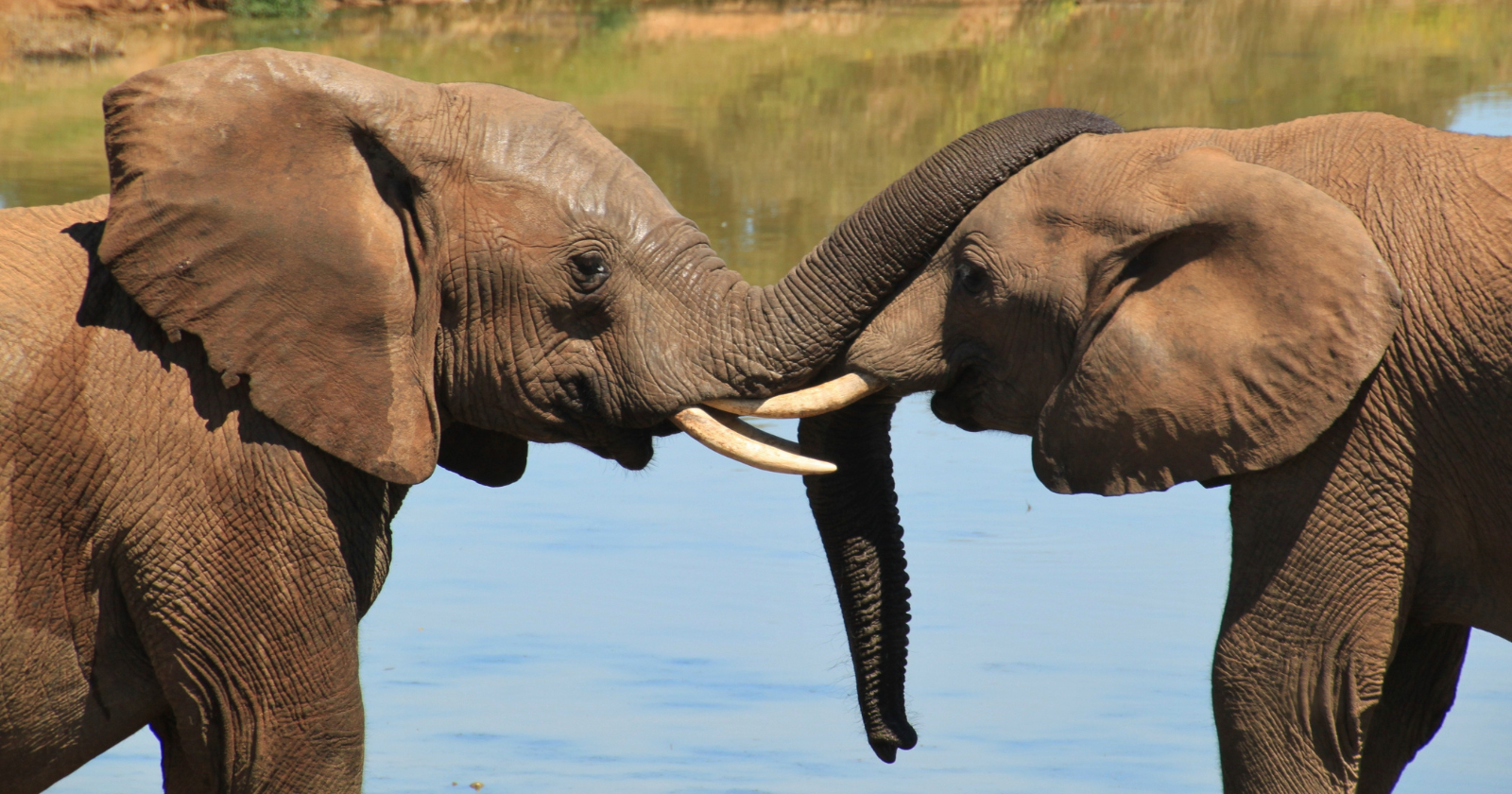
In the tranquil teak forests of Botswana’s Chobe National Park, the night unveils a strange sight: three tons of elephant standing completely still at 3 a.m., trunk relaxed, eyes closed. This is the brief image of an elephant at rest.
#### Elephants’ Distinct Sleep Habits
Studies concentrating on two matriarch elephants in the park recorded their unusual sleep habits over 35 days. These elephants averaged less sleep than any mammal previously documented. An elephant’s sleep is influenced by its 113-kilogram trunk, an extraordinary blend of muscle and utility. This trunk is frequently in constant motion, probing and engaging with the environment. However, when it becomes entirely motionless, it indicates sleep.
To investigate this, researchers employed actiwatch motion loggers placed in the elephants’ trunks and equipped them with GPS and gyroscopic collars. A trunk that remained still for five minutes or longer was categorized as asleep.
#### Disjointed Sleep: A Survival Tactic
Findings indicated that the elephants averaged only two hours of sleep per day, divided into several brief intervals, predominantly between 2 a.m. and 6 a.m. In contrast to their captive relatives, who may sleep for three to seven hours, wild elephants appear to follow a more economical timetable. Environmental aspects such as temperature and humidity had a stronger effect on sleep timing than sunlight.
The elephants also selected a new sleeping location each night, indicating a tendency to avoid familiar resting areas.
#### Sleep While Standing vs. Sleeping Lying Down
While elephants frequently rest on their feet, due to the difficulty of getting up again, the study discovered that the matriarchs only laid down ten times during the 35 nights. Lying down is correlated with achieving REM sleep, which may be linked to dreaming. Given their inconsistent posture alterations, dreaming was likely a rare event.
#### Adaptations and Survival Strategies
The limited sleep of wild elephants aids their survival in a perilous environment. More than 70 nights of observation revealed that on certain occasions, neither elephant slept at all. These sleepless nights coincided with potential dangers such as lion threats, poacher activity, or aggression from bulls. Despite such disturbances, elephants did not demonstrate compensatory sleep, highlighting an adaptation to promptly return to regular activities.
#### Recognizing the Limits
The research is based on a small sample size – two matriarchs over a particular time and under specific weather conditions, without accounting for other demographics or seasonal variations. Therefore, the observed sleep patterns may not fully reflect the species overall.
Crucially, the study raises an intriguing question: how does a herd function when its matriarch has been awake for lengthy periods? This remains an enticing mystery for further investigation as researchers strive to unravel the majestic life of wild elephants.
—
This research not only highlights the resilience of these animals but also opens new pathways for understanding their behavior and aiding their conservation.