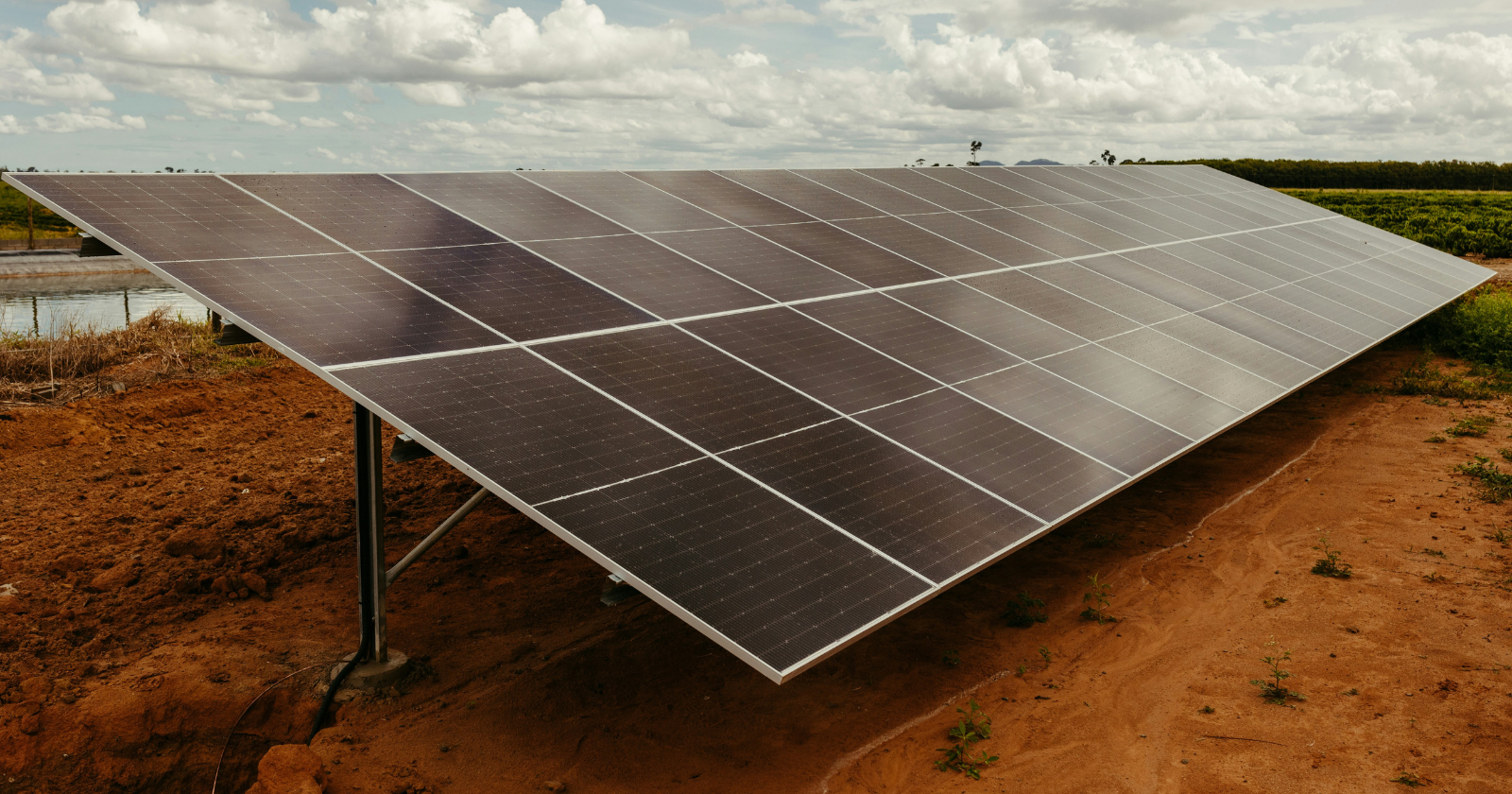
In 2006, a solar energy initiative revitalized a long-overlooked parcel of land in Brockton, Massachusetts. This area had remained idle for years after its history as a manufactured gas plant left it polluted. Rather than undertaking a cleanup, the city chose a pragmatic approach: encapsulating the area and placing 1,395 solar panels on top, thus creating a “brightfield.”
The location on Grove Street was formerly part of a 27-acre gasworks operation that supplied gas to Brockton. The closure of the plant resulted in coal tar and ash being trapped in the soil. Reports from 2006 highlight that the panels were set on a layer of crushed rock, effectively capping the toxic waste below.
The “brightfield” concept encompasses sealing off contamination and utilizing the site for solar energy instead of engaging in expensive cleanup for residential use. Brockton’s 3.7-acre, 425-kilowatt solar installation took nearly a year to complete, facing initial skepticism due to its nontraditional method. The successful launch of the project marked it as the largest brightfield in the U.S. at that time.
Although this record has since been eclipsed, the Brockton brightfield proved to be a viable model, leading to over 600 similar solar initiatives on brownfields across the country by 2025. The socio-economic factors usually confine such projects to less wealthy neighborhoods, revealing inequities in land utilization and community results.
Now operating quietly for more than a decade, the solar panels at the Brockton site continue to showcase the possibilities for effective land reuse. They yield considerable environmental advantages, providing a framework for forthcoming urban planning and remediation efforts without requiring dislocation or extensive financial outlay.