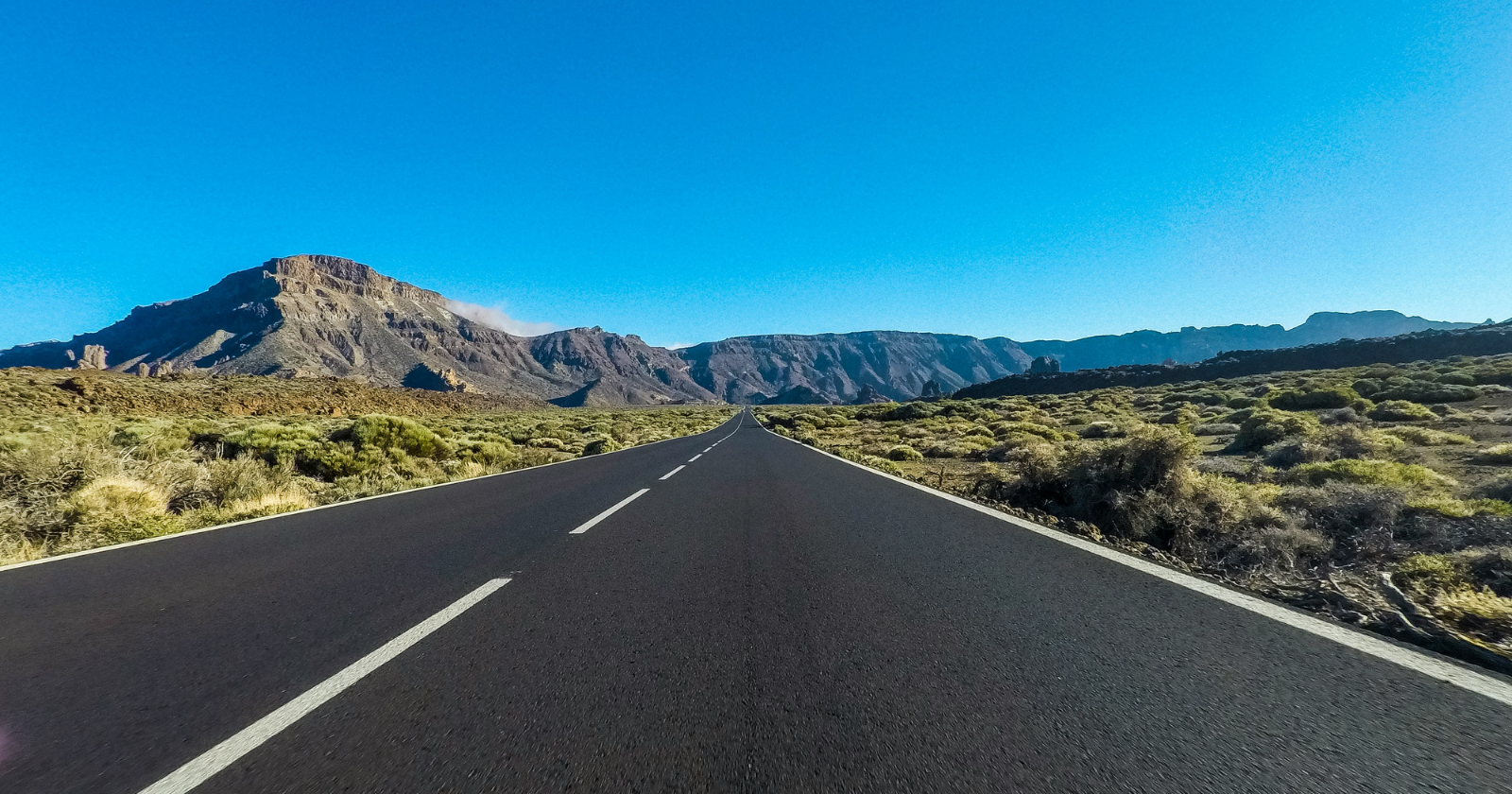
The highways of Arizona have become the focal point of a controversy involving millions of discarded tires, which promise noise reduction and significant recycling efforts. While some of these assertions are valid, others necessitate a thorough examination of data from state and federal reports to separate truth from embellishment. Here’s an in-depth exploration of the realities surrounding Arizona’s groundbreaking highway initiative, the importance of the year 1988, the science behind the use of rubberized asphalt, and the actual effects on road noise.
A Remedy for Discarded Tires
<p Discarded tires constitute a considerable environmental issue as they fill landfills, trap rainwater, and create fire risks. States have long pursued sustainable solutions for these waste materials, with one of the most successful being their incorporation into highway infrastructure. By shredding the tires and mixing them into asphalt, the rubberized binder provides flexibility to the pavement, thus improving durability and lifespan.
Phoenix Takes the Lead
The initiative began in the early 1960s in Phoenix, Arizona, where city engineers first utilized an exceptionally flexible asphalt rubber for road paving to resolve cracking problems. This effort, initially motivated by practical requirements, set the stage for future environmental improvements, including recycling. It illustrates how advancements in municipal engineering predated the statewide implementation of rubberized asphalt.
The Importance of 1988
The crucial year for Arizona’s rubberized asphalt initiative was 1988, which signified the beginning of regular highway resurfacing utilizing this method. This ongoing effort transformed the project from a trial into a long-term strategy, with nearly a third of Arizona’s highways featuring rubberized surfaces by the early 2000s. The program evolved into a stable, financially supported endeavor through various governmental administrations.
Ingredients of Rubberized Asphalt
<p Used tires are processed into crumb rubber, which is subsequently mixed with hot asphalt binder. This combination does not replace asphalt but enhances it, making the binder more elastic. This added flexibility maintains the integrity of the pavement against the severe temperature changes in Arizona, decreasing the occurrence of cracks and the necessity for maintenance.
The elasticity of rubberized asphalt offers a substantial advantage by extending the lifespan of the roads to around ten to twelve years before needing resurfacing. This durability is a vital reason why Arizona persists in its application, proving to be more economically viable over time.
Reducing Noise on the Roads
<p Rubberized asphalt also aids in providing a quieter driving environment. Since the majority of highway noise arises from the tire-pavement interaction, a smoother, more porous surface can significantly lower noise levels. Residents near the initial rubberized pavements in Phoenix observed a decrease in noise, leading to formal research. By examining data from Scottsdale on State Route 101, close-range tests indicated an approximate 11-decibel reduction, surpassing commonly referenced figures.
The Steady Progress of Arizona’s Initiative
<p The transformation of Arizona's highways is a narrative of steady development rather than a single groundbreaking project. Over the course of more than thirty years, contracts to pave individual sections have accumulated into a broad and successful initiative. This strategy highlights the significance of manageable, incremental efforts in achieving expansive results. By concentrating on annual objectives, Arizona progressively moved toward its larger vision, exemplifying long-term planning and implementation in infrastructure efforts.