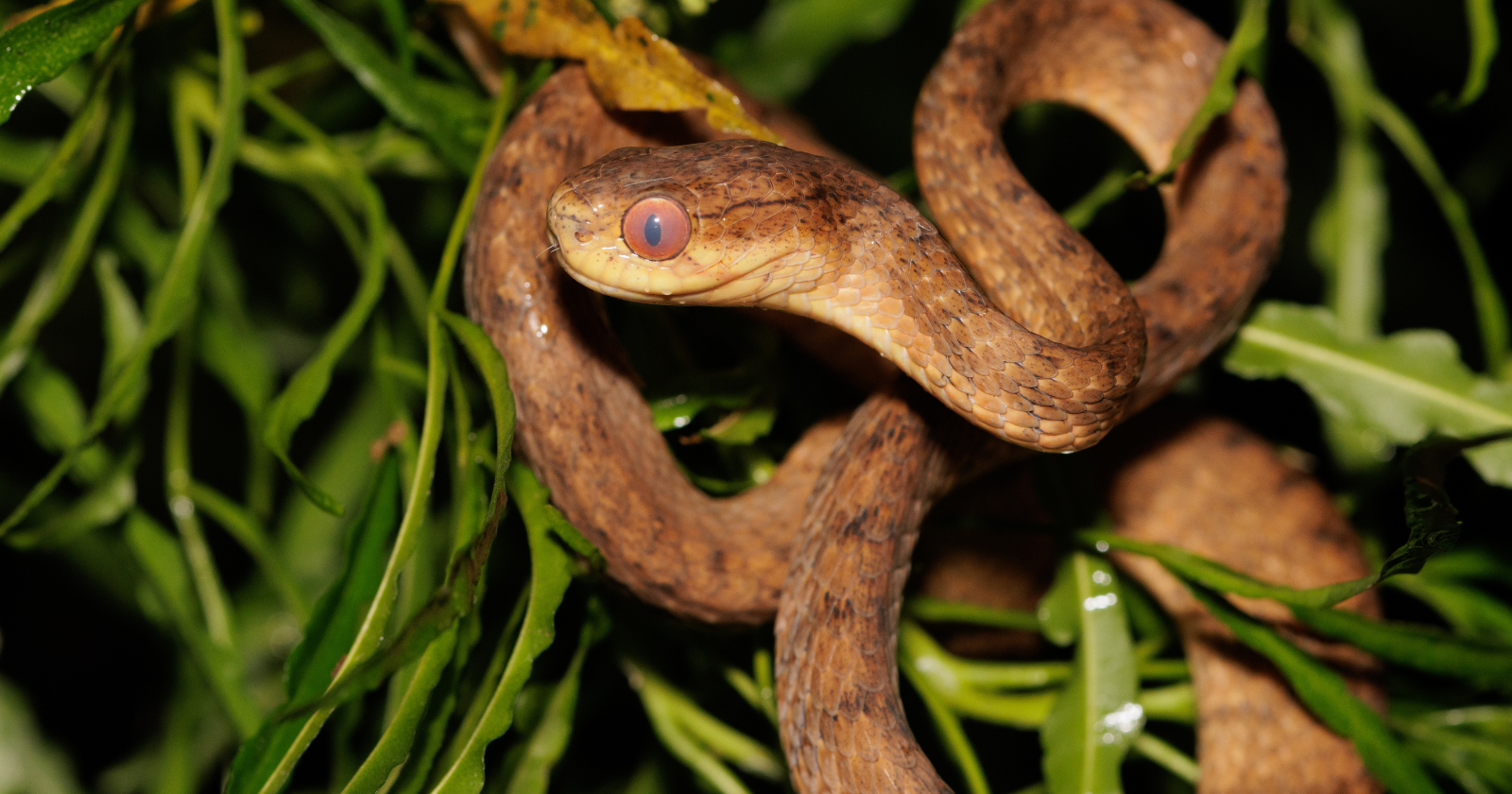
Four times each second, a helicopter soaring over Guam releases a deceased mouse. Each mouse contains an 80-milligram tablet of paracetamol (known as acetaminophen in the U.S., the active component in Tylenol) and is enclosed in a biodegradable capsule that opens mid-flight, allowing a ribbon to entangle in trees, leaving the bait suspended like a grim decoration. This bait is mainly aimed at the brown tree snake, an invasive species that arrived in Guam after World War II, likely brought by cargo ships. The snakes flourished due to plentiful prey and the absence of predators, resulting in significant ecological and infrastructural harm. The paracetamol, which poses no threat to humans, interferes with the snake’s haemoglobin, leading to death. Tests have indicated minimal risks to other species. The bait, crafted to adhere to tree canopies, targets the snakes’ arboreal hunting behavior, reducing the chances of accidental consumption by other animals. High output from the helicopter-mounted dispenser quickly blankets extensive forest regions. A 2019 study that tagged 30 snakes with radio transmitters demonstrated that aerial baiting was effective, though its efficacy diminishes with larger snakes. As a result, ongoing initiatives in snake population control may necessitate supplementary methods to enhance the aerial baiting strategy, especially against the largest remaining males.