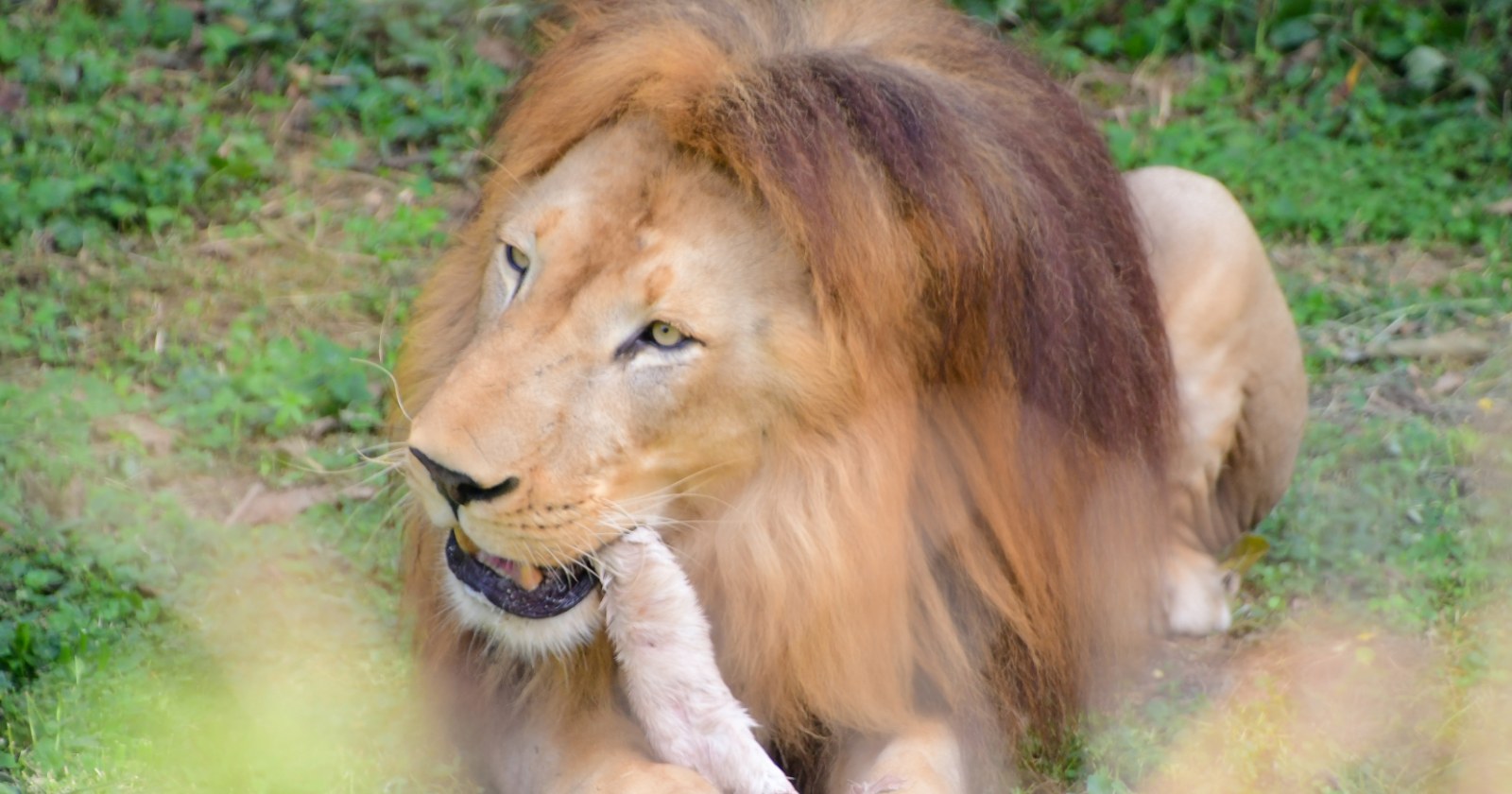
Adult male lions at Monarto Safari Park in South Australia were involved in a distinct feeding trial from February to May 2025 to examine changes in behavior when provided with whole carcasses instead of their regular diet. The research, carried out by Lesia Hryhorenko from Adelaide University in collaboration with Monarto Safari Park personnel, investigated how a feast-and-fast feeding pattern impacts lion behavior.
Throughout the three-month trial, the lions received 200 kg of whole carcasses every nine days, in place of their typical feed of cut pieces or partial carcass meat. The whole carcasses prompted the lions to spend nearly three times the amount of time feeding on those days. During the period of carcass feeding, the lions were noted to lie down about twice as often as previously, aligning their activities more closely with the natural behaviors seen in wild lions, which shift between phases of intense feeding and inactivity.
Interestingly, although the researchers expected a decline in pacing—commonly viewed as a stereotypic behavior among captive animals—this behavior actually increased during the months of carcass feeding. This unexpected rise was primarily linked to the anticipation of feeding events and alterations in routine, such as being transferred between enclosures at designated times.
The research included continuous video surveillance and detailed scoring of lion activities. While the whole carcass feeding did not definitively demonstrate improved lion welfare, it highlighted how closely these animals’ activities resembled wild behaviors when their natural feeding habits were accommodated.
The investigation also questions the perception of whole carcass feeding as merely enrichment. Instead, it suggests that providing whole prey may be essential for satisfying the biological and behavioral requirements of these obligate carnivores, rather than just an added practice for environmental stimulation.
This research illuminates the potential advantages of adjusting captive feeding practices to correspond with natural behaviors and challenges the conventional definitions of welfare-enhancing enrichment in zoo environments. The authors contend that whole carcass feeding could be a fundamental aspect of lion care, rather than an optional practice, stressing the necessity of reassessing feeding standards to ensure they cater to the intricate needs of these magnificent animals.