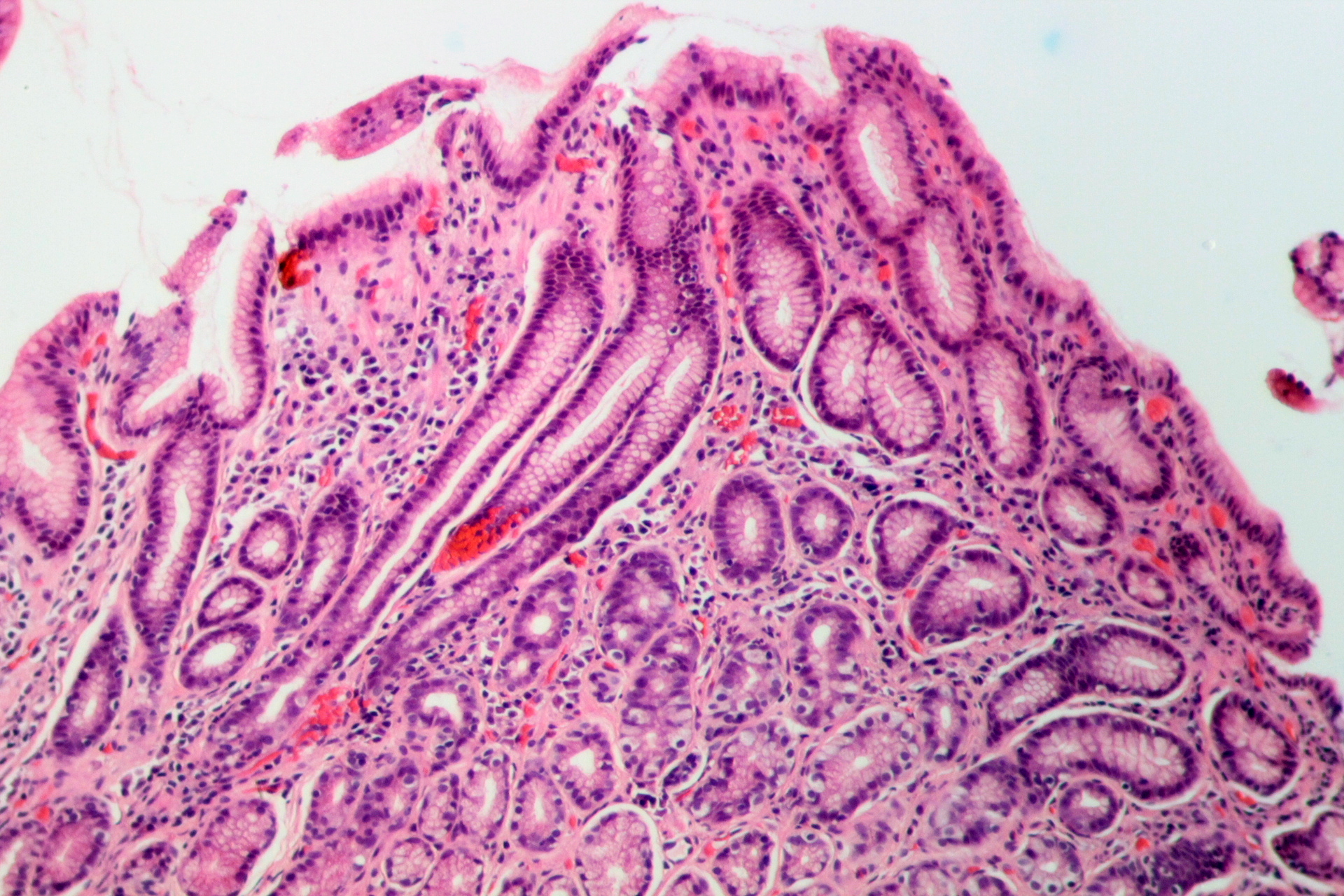
In 1984, Australian researcher Barry Marshall consumed bacteria obtained from a patient’s stomach to determine if it could trigger gastritis in a healthy individual. His self-experiment validated the causal link of these bacteria in gastritis. Initially, he showed no symptoms, but by the seventh day, he felt abnormally full and began to vomit mucus. On the tenth day, biopsies indicated the presence of spiral bacteria and inflammation, which subsided by day fourteen. This trial backed the theory that the bacterium, currently recognized as Helicobacter pylori, could lead to gastritis.
Marshall and pathologist J. Robin Warren’s subsequent investigations included analyzing biopsies from 100 patients, where they consistently identified H. pylori in individuals with gastric inflammation, duodenal, or gastric ulcers. Their results contradicted the dominant notions attributing ulcers to acid, stress, and lifestyle factors, proposing a bacterial source linked to gastritis and ulcers instead.
Further studies of patients and treatment trials solidified the association between H. pylori and peptic ulcers. Recurrent ulcers frequently manifested after acid suppression alone unless the bacteria were completely eliminated. This evidence led the Nobel Assembly to honor Marshall and Warren with the Nobel Prize in Physiology or Medicine in 2005, acknowledging their discovery of H. pylori’s involvement in gastritis and peptic ulcer disease.
Marshall’s self-experiment in 1984 was crucial in demonstrating that H. pylori could infect a healthy stomach, resulting in acute gastritis. The later acknowledgment of the bacterium’s part in ulcer disease revolutionized medical perception and management of peptic ulcers, highlighting the significance of bacterial eradication for patient outcomes.