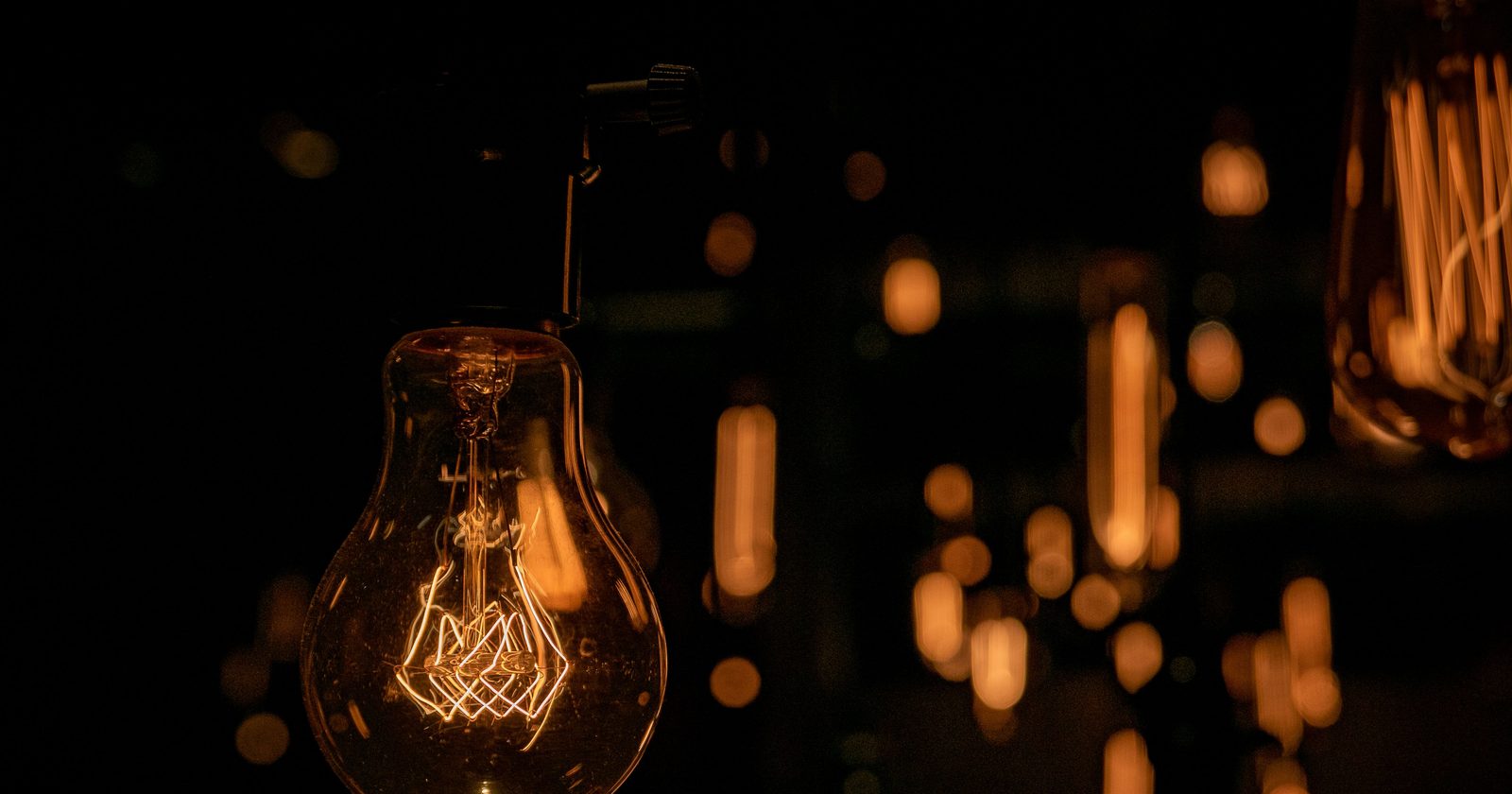
In a humble fire station located in Livermore, California, an extraordinary artifact of technological heritage silently glows. Dubbed the Centennial Light, this hand-blown carbon-filament bulb has been illuminating almost incessantly since 1901, thereby earning the title of the world’s longest-lasting light bulb. While modern webcams have been assigned to monitor it, they have not withstood the test of time like the Centennial Light—many have failed, yet the bulb continues to shine.
Produced by the Shelby Electric Company, the extraordinary lifespan of the Centennial Light is credited to its distinct design and operating environment. Unlike contemporary tungsten-filament bulbs, its carbon filament boasts a greater thickness and strength, which experts, including Martin Kykta, believe enhances its remarkable longevity. Operating at a lower temperature, the bulb saves energy while emitting a soft glow rather than the intense brightness characteristic of modern options.
Over the years, the bulb has faced only minimal interruptions—such as a power outage in 2013 during which it went dark for just under ten hours. Typically functioning as a nightlight, it consumes approximately 4 watts today, a notable decrease from its initial 60-watt specification.
The enduring nature of the Centennial Light is frequently cited as evidence that manufacturers once created products with greater resilience and durability. Nonetheless, the narrative becomes more complex due to historical practices, such as those of the Phoebus cartel, which established a shorter lifespan for incandescent bulbs in 1924 to stimulate sales.
Despite its baffling sustainability, the Centennial Light does not serve as proof that a perpetually enduring household bulb is practical under normal circumstances. Rather, it exemplifies the intricate relationship between design, materials, and conditions—a singular survivor in the realm of technology.