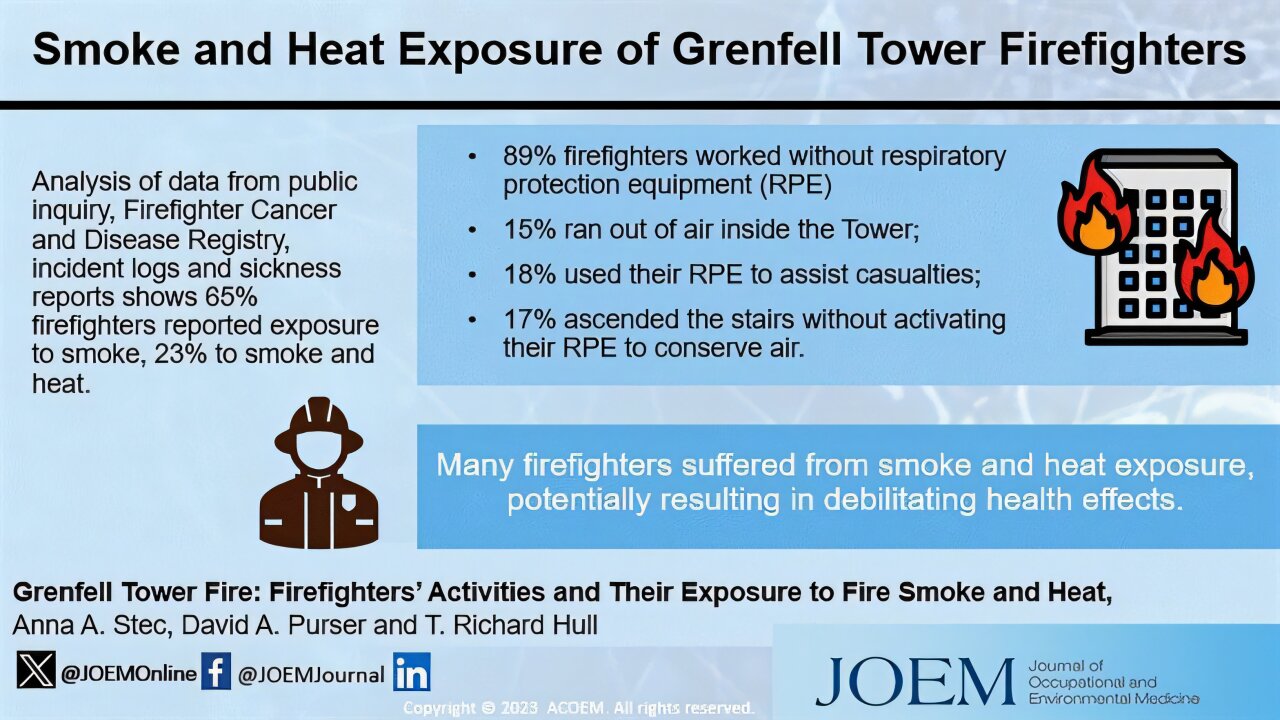
Firefighters don their gear anticipating safety, yet studies have uncovered cancer-associated chemicals lurking on the very equipment intended for their protection. A wipe test confirmed by scientists at the University of Miami identified PFAS contamination on each turnout gear set examined, including inside breathing masks where crews expect solely filtered air.
The research, published in the Journal of Hazardous Materials, provides fire departments with a practical means to monitor these persistent substances. Researchers utilized dampened polypropylene wipes on high-contact surfaces of 12 complete gear sets, subsequently analyzing the samples via mass spectrometry. This technique is effective without compromising costly protective fabrics, making it ideal for routine surveillance.
PFAS, which stands for per- and polyfluoroalkyl substances, offer resistance to heat and degradation, accounting for their inclusion in firefighting foams and coatings. These same characteristics lead to the accumulation of these chemicals rather than their breakdown. Average PFAS concentrations found on protective clothing reached 62.4 nanograms per gram, with contamination remaining long after the flames have been extinguished.
## From Surface Residue to Bloodstream
The compound 6:2 fluorotelomer sulfonate was prominent in samples, indicative of its commonality in contemporary firefighting foams that have supplanted older versions. Even self-contained breathing apparatus masks exhibited contamination levels as high as 63 nanograms per gram. Imagine checking your hands for soot post-fire; however, this contamination remains unseen and chemically stable.
> “Think of it as illuminating a dark room with a blacklight. All of a sudden, you unveil what has been obscured all this time,” explains Alberto Caban-Martinez.
The research team extended their focus beyond just surface detection. Employing a toxicokinetic model, they projected how interaction with contaminated fabric results in internal exposure over a standard 10 to 15 year career span. Dermal contact was identified as the main route, implying that continuous handling of gear gradually builds up a chemical load in firefighters’ systems. Inhalation also contributed to additional exposure, especially from tainted breathing apparatus.
These trace levels are significant because PFAS are not easily eliminated from human bodies. The findings indicated that even minimal surface contamination could lead to substantial internal exposure when aggregated across numerous incidents and training activities.
## A Tool That Changes Firehouse Practice
This non-invasive testing procedure allows departments to make educated decisions regarding gear management, transportation, and decontamination schedules. Crews can pinpoint contamination hotspots before chemicals migrate to living quarters in the station or are carried home on uniforms. The test works alongside blood monitoring but provides immediate, actionable outcomes without medical intervention.
This initiative originates from the Sylvester Firefighter Cancer Initiative, which confronts cancer as the leading cause of line-of-duty fatalities. In addition to testing gear, the program offers mobile screening clinics and decontamination training. The wipe test integrates into a larger strategy aiming to decrease occupational exposure through practical measures that departments can adopt without significant equipment alterations.
By disclosing what has been invisibly transported, the study equips firefighters with clear information to take action. Fire departments now possess a simple approach to monitor chemical contamination, refine cleaning practices, and lower long-term health risks arising from equipment designed to shield them from flames but not from enduring chemical residues.
[Journal of Hazardous Materials: 10.1016/j.jhazmat.2025.140633](https://doi.org/10.1016/j.jhazmat.2025.140633)
**There’s no paywall here**
*If our reporting has informed or inspired you, please consider making a donation. Every contribution, no matter the size, empowers us to continue delivering accurate, engaging, and trustworthy science and medical news. Independent journalism requires time, effort, and resources—your support ensures we can keep uncovering the stories that matter most to you.*
*Join us in making knowledge accessible and impactful. Thank you for standing with us!*