Pancreatic cancer advances insidiously, with symptoms typically appearing only once the illness has progressed, often past the possibility of surgical treatment. Researchers from Tokyo University of Science have discovered a gene, CTDNEP1, whose early inactivation may clarify why some tumors swiftly become deadly.
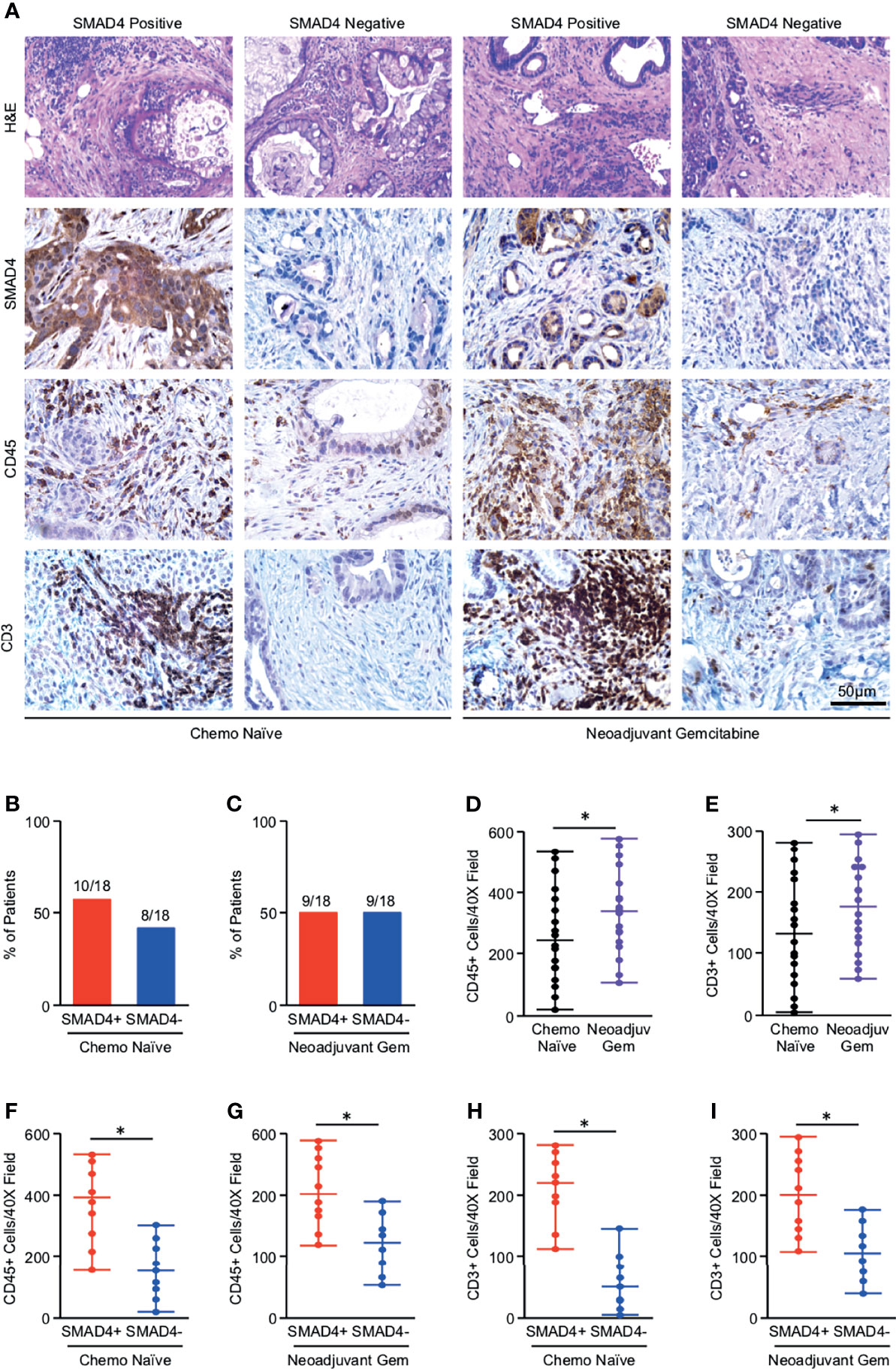
Generally, pancreatic cancer biomarkers manifest late; however, CTDNEP1’s activity declines significantly even in stage I tumors—an irregularity that signals potential for early detection. In a study involving 184 patients diagnosed with pancreatic ductal adenocarcinoma, diminished CTDNEP1 expression was closely associated with mutations in KRAS, TP53, CDKN2A, and SMAD4, all of which are recognized for driving the cancer’s aggressive characteristics.
### Survival declines when the mechanism falters
Reduced levels of CTDNEP1 were linked to significantly lower survival rates, particularly in stage II pancreatic cancer. The gene functions as a tumor suppressor, serving as a molecular brake on cellular proliferation, and its premature failure permits the cancer to progress swiftly. Patients who retained normal CTDNEP1 activity experienced extended survival, while those who lost it encountered more severe outcomes, even at similar stages of diagnosis.
“PDAC is notoriously challenging to treat and has a high mortality rate,” stated Tadayoshi Hayata, the lead of the study and a professor of molecular pharmacology. His motivation for researching pancreatic cancer is personal, following the loss of young friends to the illness. In Japan, it causes over 40,000 fatalities each year.
### How tumors conceal themselves
CTDNEP1 affects the tumor microenvironment, the ecological zone surrounding cancer cells. A decrease in CTDNEP1 levels results in chronic inflammation, which protects tumors from immune assaults. Tumors exhibiting low activity showed reduced immune cell infiltration. Conversely, higher CTDNEP1 levels were related to active mitochondria along with plentiful CD4+ T cells, macrophages, neutrophils, and dendritic cells. Proper gene function increases visibility for the immune system, while inactivity allows cancer to establish a secure refuge.
The research implies that CTDNEP1 might inform future early detection and immunotherapy approaches. Scientists are presently investigating how modifying this gene influences cancer and immune responses. Although clinical applications remain a way off, the results offer a fresh perspective on pancreatic cancer, defining it as a condition where early molecular losses drastically impact survival.
DOI: [https://doi.org/10.21873/cgp.20567](https://doi.org/10.21873/cgp.20567)
**Support Independent Journalism**
If this article has informed or motivated you, please consider making a donation. Each contribution helps us provide precise and engaging medical news. Your support is crucial for our pursuit of significant stories. Thank you for supporting us!