**Title: Managing the Ceasefire: The Worldwide Effects of US-Iran Conflicts on Energy and Chemical Supply Networks**
The delicate two-week truce between the US and Iran has granted a brief pause from increasing hostilities, yet underlying tensions remain, particularly with an elevated risk of conflict involving Israel and Lebanon. This geopolitical uncertainty threatens ongoing diplomatic efforts and has considerable repercussions for global supply networks, especially within the energy and chemical industries.
**Maritime Unpredictability in the Strait of Hormuz**
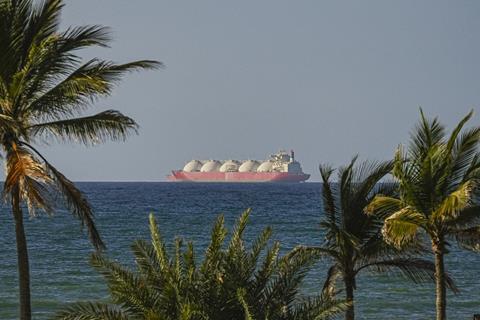
While the ceasefire endures, a careful reestablishment of maritime paths is taking place, with several vessels starting to traverse the strategically vital Strait of Hormuz. Nevertheless, Iran’s military exerts strong control over the passage, imposing strict conditions for transit. Reports indicate that Iran allows only a restricted number of vessels to pass each day and may impose toll fees, raising alarms over potential breaches of US sanctions unless specific exemptions are secured. Consequently, numerous shipping firms and insurers are cautious of the financial and legal liabilities, choosing to wait for further clarity before resuming standard operations.
**Influence on Energy Exports and Recovery Obstacles**
Even as vessels gradually make their way through the chokepoint, the journey to their destinations across Europe and Asia remains lengthy, typically requiring weeks under normal conditions. The damage inflicted on oil and gas production infrastructure in the Gulf region intensifies the concern, with recovery and repair initiatives anticipated to take months or even years. This scenario is triggering a ripple effect on the availability of various by-products such as helium and sulfur, increasing uncertainties regarding supply recovery schedules.
**Petrochemicals Industry Facing Strain**
Petrochemical facilities dependent on Gulf-sourced oil and naphtha have sharply reduced production due to shortages of feedstock. Although many plants intend to ramp up output once supplies are restored, the extended conflict may drive a reorganization of the global petrochemical landscape. Conditions before the war revealed a structural oversupply in essential petrochemicals like ethylene and propylene, fueled by China’s production surge and sluggish demand growth. This situation had been squeezing higher-cost manufacturers in Europe and parts of Asia, resulting in plant closures and industry reconfigurations.
**Future Prospects and Strategic Rebuilding**
The recovery trajectory for the energy and petrochemical sectors will depend on how various nations and their authorities tackle post-conflict obstacles. The intense pressure created by the war could lead to more significant shifts in industry strategies and geopolitical ties, affecting long-term market trends. As the ceasefire progresses, participants across the supply network remain alert, expecting a prolonged path toward stability and advancement.