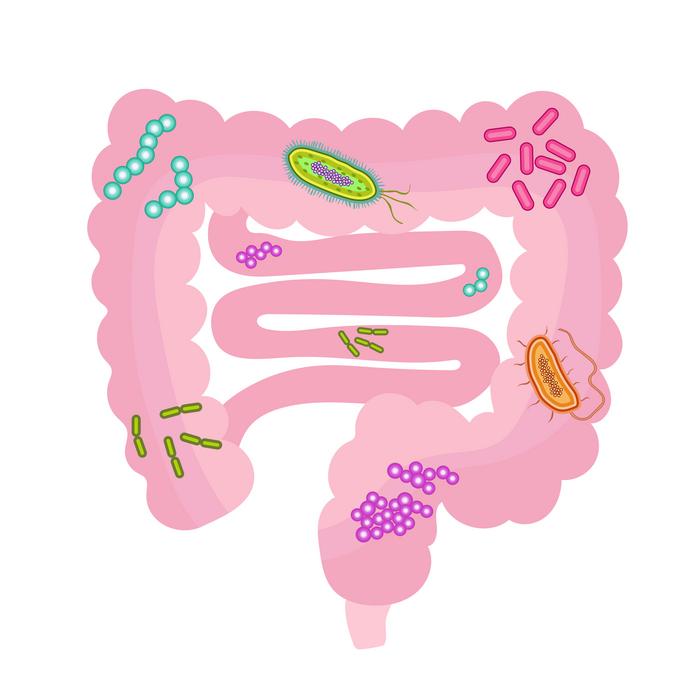
Consume a Brazil nut, or a serving of tuna, and you simultaneously ingest a bit of selenium. The narrative that follows has traditionally centered on you: your intestinal wall absorbs the mineral, your cells incorporate it into protective enzymes, and your kidneys excrete the excess. Quite tidy. However, a team from Japan has recently demonstrated that this narrative overlooks a multitude of silent collaborators, the trillions of bacteria residing in your intestines, who have the first opportunity to utilize the selenium and significantly influence its allocation.
Their research, conducted on rats, reveals a genuine interaction between host and microbe. Increase selenium intake and you modify the bacterial population; this changed population then alters the chemical destiny of the very mineral that transformed it.
Selenium is one of those nutrients where the margin for error is nearly nonexistent. We require it for antioxidant enzymes and for maintaining a functional immune system, yet the threshold between insufficient and excessive intake is narrower than for most other trace elements. Lack of it can impair immunity. Excess can elevate the risk of type 2 diabetes and cardiovascular issues. Therefore, the body has developed intricate mechanisms to absorb it, utilize it, and eliminate what it cannot employ.
Most of these mechanisms have been examined as though the gut were devoid of life. In reality, it is far from that.
Tracing a tagged atom through the digestive tract
Kazuaki Takahashi at Chiba University and his colleagues Momoka Yamagata and Yasumitsu Ogra fed rats three different diets: selenium-deficient, adequate, and excessive, then divided each group into two. One half maintained their normal gut microbiota. The other half were treated with a mix of antibiotics to reduce the microbial population. The researchers then administered to each rat a tagged version of selenium, an enriched isotope that they could trace through urine, feces, and blood, without confusing it with the selenium already present.
The tag is what lends the study credibility. Tracking only total selenium would obscure the microbes’ contributions; however, monitoring the labeled dose allows for real-time observation of the microbes’ actions on it.
The most prominent indication came from a compound known as trimethylselenonium, or TMSe, released in urine by the body when it has excess selenium. Rats with intact microbial communities, receiving a high-selenium diet, excreted approximately five times more TMSe than those on a standard diet. When antibiotics were used to eliminate the bacteria, that surge diminished significantly. A similar phenomenon was observed in feces, where a selenium-containing amino acid called selenomethionine appeared about three times more abundantly in animals retaining their gut flora. In other words, the microbes were not merely passive spectators; they were actively transforming dietary selenium into new variants, primarily through methylation, the same chemical modification the body employs for detoxification. “Gut microbiota provides unique selenometabolites, distinct from the original dietary substrates for the host,” states Takahashi. The microorganisms return something different than what was ingested.
Beneficial partner or silent rival
Herein lies the complication that disrupts any straightforward interpretation of “microbes assist us.” When the team assessed the efficiency of selenium incorporation into selenoprotein P, a definitive marker of selenium status, the animals devoid of microbes performed better. By suppressing the flora, the host absorbed more usable selenium.
One interpretation is straightforward competition: both the bacteria and the host require the mineral, and under scarcity, the microbes seize their share first. Another perspective suggests that the microbes transform some selenium into forms the body can hardly utilize, such as a volatile compound that is exhaled rather than stored.
Both interpretations may be valid, and that’s essentially the point. In surplus conditions, the same microbial activity that may cost the host some nutritional selenium simultaneously appears protective, expelling the excess as the less harmful TMSe before it can cause damage. Friend or freeloader depends on the quantity. The study has evident limitations: three rats per group, one specific chemical form of selenium, bacterial activities inferred from gene surveys rather than directly measured, and the authors are careful to note this. The specific bacteria responsible for these reactions remain uncertain, and a Lactobacillus that thrived on an adequate diet struggled under excess, suggesting that more selenium is not necessarily beneficial for the microbiome either.
Nonetheless, if even a portion of this is applicable to humans, the implication is mildly troubling yet quite informative: the prescribed selenium intake on a label presumes a standard body, whereas the actual body it affects is fundamentally a negotiation between you and your unique microbes. “This research will ideally…