The Mispronunciation of Mount Everest: A Historical Overview
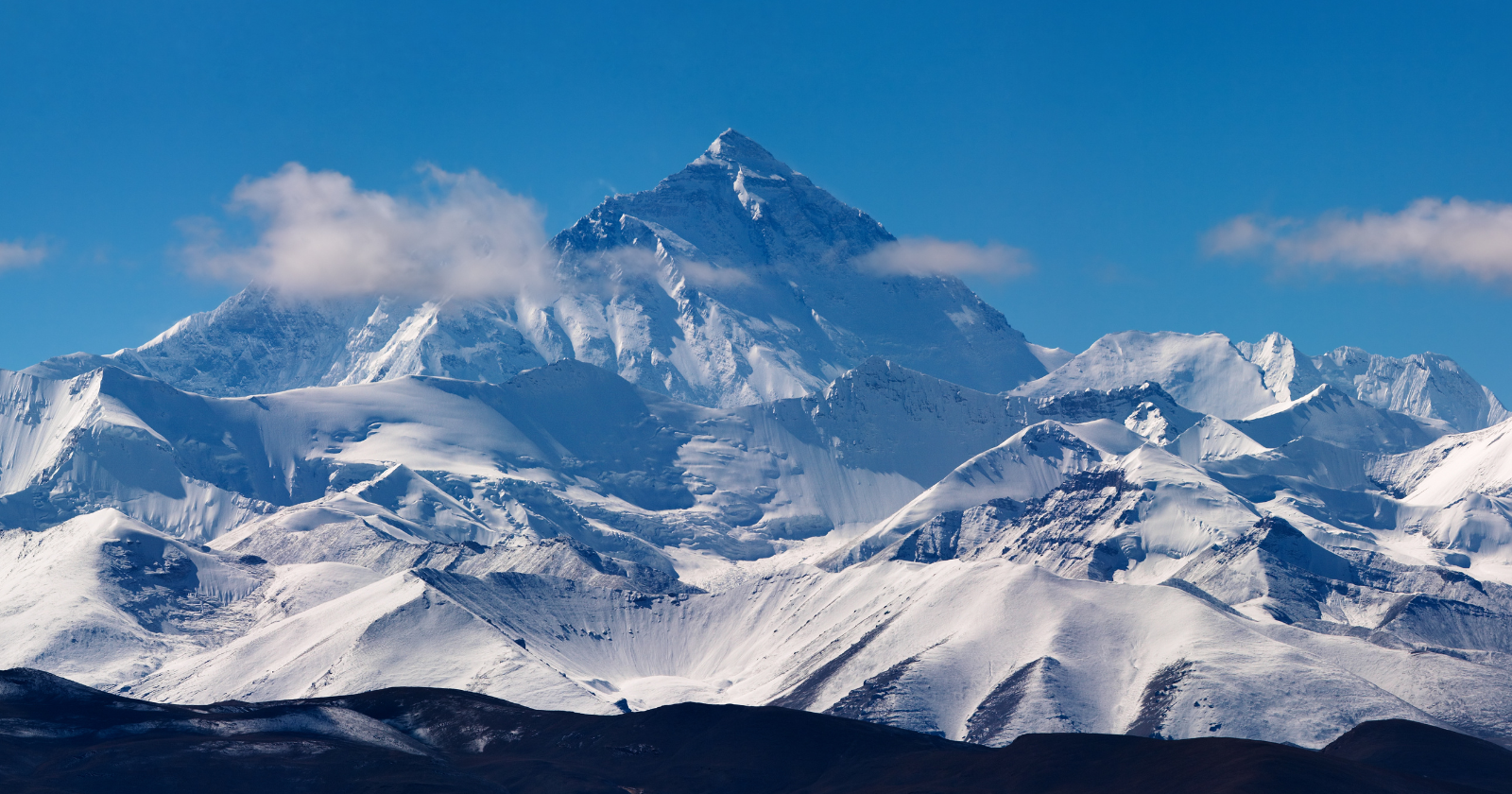
Although many people acknowledge Mount Everest as the highest peak on the planet, few are conscious of the fact that its name is frequently pronounced incorrectly. The mountain is named for George Everest, the Surveyor General of India, who articulated his last name as “EVE-rest,” which rhymes with “sleeve,” in contrast to the commonly accepted “EVER-est.” Even though millions say it incorrectly every day, this linguistic variation is more of an oddity than an error, emphasizing the gap between a location and its namesake.
George Everest: The Individual Behind the Name
George Everest, who lived between 1790 and 1866, was instrumental in the Great Trigonometrical Survey of India. Serving as Surveyor General from 1830 to 1843, Everest propelled the initiative that carefully charted the Indian subcontinent. Despite his valuable contributions, Everest never physically interacted with the mountain that carries his name.
The Designation of Mount Everest
Initially recorded as Peak XV by British surveyors, the mountain’s prominence became evident in 1852 when Bengali mathematician Radhanath Sikdar identified it as the highest in the world. It was Andrew Scott Waugh, Everest’s successor, who suggested the name “Mount Everest” in 1856, citing an absence of local names, although this assertion disregarded the mountain’s recognized Tibetan name, Chomolungma.
Everest’s Disapproval
Everest himself was against the usage of his name, contending that it was inappropriate for Indian pronunciation and spelling. Nonetheless, the Royal Geographical Society embraced the name in 1865, ignoring both Everest’s wishes and the mountain’s previously established titles.
What Lies Behind the Name
The acceptance of “Mount Everest” obfuscates not only its local designations but also the efforts of Indian surveyors like Sikdar, whose crucial roles are often overlooked. Additionally, the designation of “tallest” mountain is complex; while Everest is the highest above sea level at 8,848.86 meters, Hawaii’s Mauna Kea exceeds it in height from base to summit.
Despite movements advocating for a name change, mainly supporting Chomolungma or Qomolangma, the name “Mount Everest” remains in widespread use, underscoring the intricate history of geographical naming practices. As discussions persist, the mountain continues to symbolize both natural beauty and historical neglect.