**Paleontologist Findings: Fossilized Bee Nests Found Within Bones of Extinct Rodents**
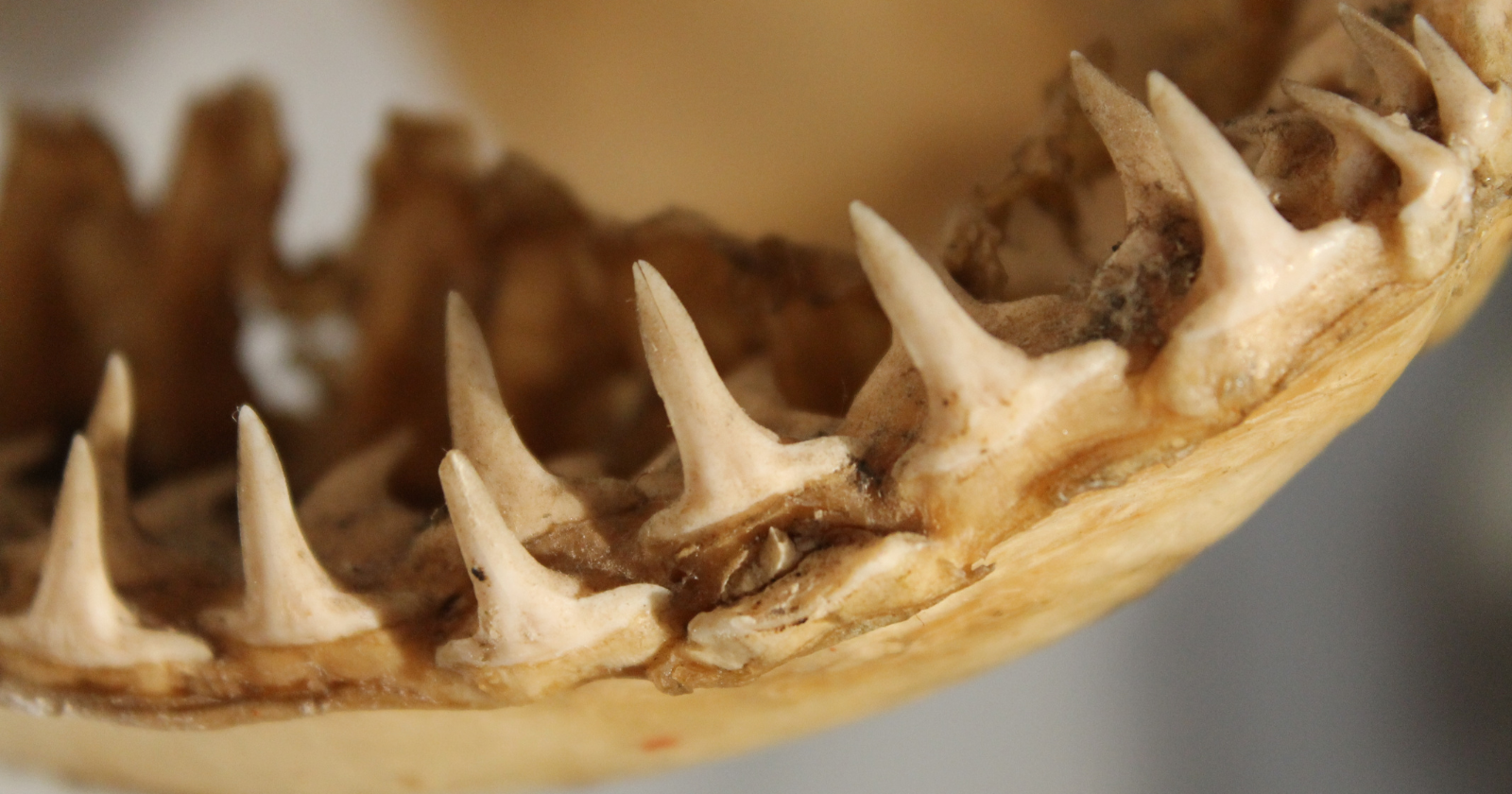
In an extraordinary finding, paleontologist Lázaro W. Viñola-López from Chicago’s Field Museum uncovered an unusual phenomenon while studying fossilized jawbones of an extinct Caribbean rodent known as the hutia. Within multiple vacant tooth sockets, the sediment occupying the spaces exhibited a smooth, concave form, differing from the irregularity usually associated with trapped dirt. This sediment, with further examination, bore resemblance to a wasp nest. It was discovered to be fossilized nests built by solitary bees, situated in the hutia’s tooth sockets and various other bone cavities from the same cave formation. This exceptional discovery is the subject of a paper published on December 17, 2025, in Royal Society Open Science, co-authored by Viñola-López and his team, titled “Trace fossils within mammal remains reveal novel bee nesting behaviour.”
**Advancement Through CT Imaging**
Instead of extracting the dense sediment—the danger of impairing its original structure being considerable—the team utilized micro-CT scanning, an advanced X-ray imaging method. This enabled the generation of a three-dimensional internal model without interference. The CT scans indicated that the sediment within the tooth sockets had formed into brood cells, structures made by solitary bees to contain their eggs, food for the larvae, and, remarkably, ancient pollen grains that have been preserved.
Bee remains did not endure in the fossil, which obstructed species identification. However, the uniform and distinct building pattern of the cells allowed researchers to categorize the trace fossil with the scientific name: *Osnidum almontei*, named in honor of cave finder Juan Almonte Milán. This naming convention is standard in paleontology for identifying behaviors rather than species.
**Generational Reuse**
A fascinating aspect of this discovery is the recurrent use of these bone cavities across several generations. CT scans indicated numerous layers of nests within a single socket, showcasing serial nest construction by female bees over time. Such cavities acted as long-term real estate, used across various nesting seasons rather than being a singular refuge.
The findings extended beyond the jawbones. Comparable compacted mud cell formations were uncovered inside a hutia vertebra’s neural canal and the pulp cavity of a preserved sloth tooth, suggesting that any appropriately sized and formed bone cavity presented a potential nesting site.
**Ancient Background and Creation**
The fossils originate from a limestone cave in the Dominican Republic’s Hispaniola, with deposits from the Late Quaternary period, approximately 20,000 years old. These bones presumably accumulated over time from regurgitated owl pellets—undigested remnants left by roosting owls—offering a continuous source of dry bone cavities for growing bee colony generations.
**Unusual Bee Nests**
While solitary bees generally nest in various materials such as plant stems, soils, snail shells, and wood cavities, bone is an unprecedented finding. This represents the inaugural confirmed case of bee nesting in vertebrate bone cavities, although insects have previously interacted with bone in the fossil record, including bee nests discovered at the Rancho La Brea tar pits and Taung.
**Constraints and Importance**
The research does not definitively clarify how widespread bone-nesting was among ancient bee groups or which bee lineage engaged in it. The lack of preserved bee bodies leaves unanswered questions regarding species identification and the prevalence of bone nesting throughout the broader Caribbean. Nonetheless, the study clearly establishes the recurring reuse of cavities by bees over time, with hutia and sloth remains functioning as ancient bee habitats during the Late Quaternary.