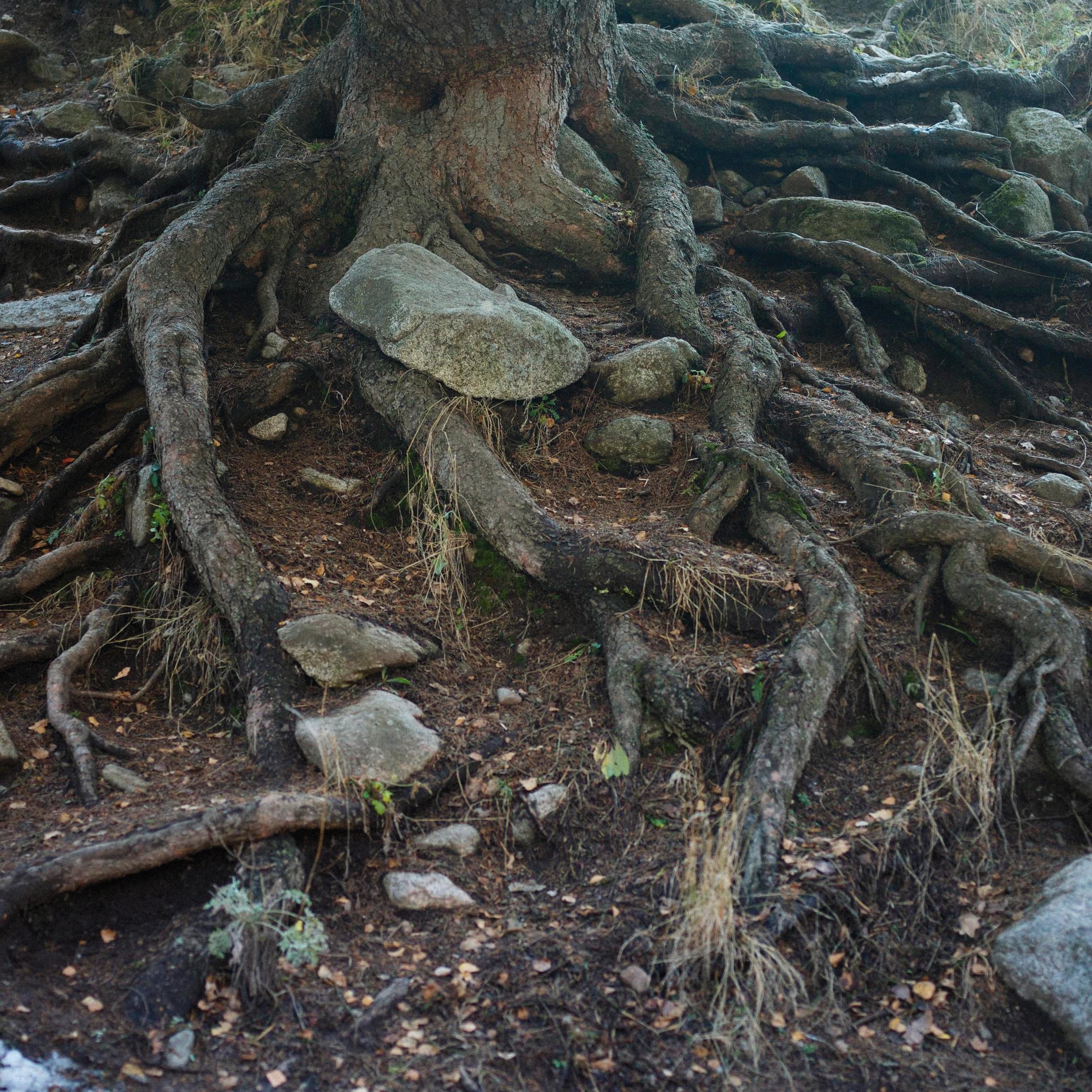
In 1997, forest ecologist Suzanne Simard undertook a pioneering experiment in British Columbia that has subsequently impacted both scientific inquiry and public perceptions of forest ecosystems. By encasing paper birch and Douglas fir seedlings in plastic chambers, she provided each species with unique isotopes of carbon dioxide—carbon-14 for one and carbon-13 for the other. After a span of nine days, she found that the carbon initially associated with one species was also traceable in the other. Western red cedar, included as a control, exhibited minimal carbon transfer, thus confirming the species-specific relationship. In August, her findings were published in Nature, aiming to explore whether carbon could traverse between two tree species through shared fungal networks, identified as mycorrhizal networks, that link their roots.
The editorial team at Nature introduced the phrase “wood-wide web,” igniting public curiosity and facilitating a widespread intrigue. Simard’s findings indicated a two-way carbon transfer between paper birch and Douglas fir, with fir gaining advantages in the second year, implying a communal fungal route under particular forest conditions. However, this did not suggest conscious communication or nurturing actions among trees, a notion that some later interpretations exaggerated.
As the idea grew in popularity, Simard’s 2016 TED talk and her 2021 memoir, “Finding the Mother Tree,” furthered the story, proposing that older trees might preferentially assist their progeny through these networks. This concept was further disseminated by Peter Wohlleben’s “The Hidden Life of Trees” and Richard Powers’ “The Overstory.” These publications depicted forests as interconnected collectives, broadening the scope and impact of the initial scientific findings.
By 2023, a segment of researchers began to challenge these wider assertions. A review spearheaded by Justine Karst, Melanie Jones, and Jason Hoeksema in Nature Ecology & Evolution critiqued three common claims regarding mycorrhizal networks. They contended that evidence supporting their widespread existence across various forest types was scant, that assertions of enhanced seedling success via resource transfer were insufficiently validated, and that no peer-reviewed evidence existed to confirm that trees preferentially supported their offspring through these networks. The review brought to light a phenomenon known as positive citation bias, where results become amplified through repeated references.
Simard argued that her critics misinterpreted her assertions, stating that she recognized numerous pathways could function within forests alongside mycorrhizal networks. In a formal response in 2025, Simard and her team challenged the review’s limited methodological stance regarding their findings.
At present, the “wood-wide web” persists as a captivating yet contentious notion. While the presence of fungal hyphae connections and carbon migration within forests is accepted, the extent of these networks, their ecological importance, and the idea of intentional tree care necessitate further examination. The scientific debate endures, distinguishing established findings from their more creative interpretations, highlighting the intricacies and enigmas of ecological interconnections.