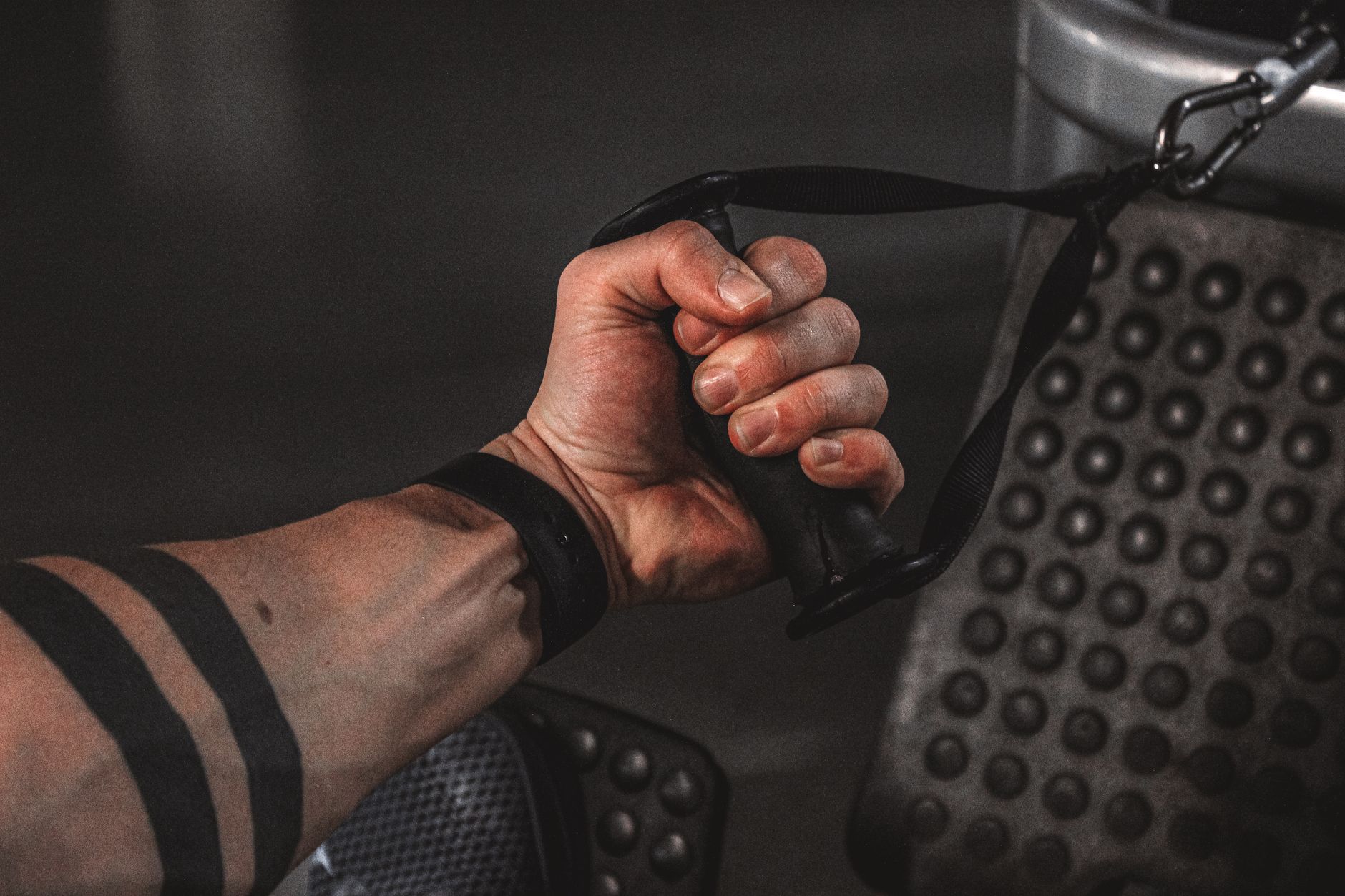
A study conducted in 2016 revealed that healthy males aged 20 to 34 from various universities in North Carolina exhibited weaker grip strengths than the corresponding reference values gathered in Milwaukee in 1985. Among the males aged 25 to 29, the average difference for the right hand was 25.8 pounds.
This finding is valid, yet the common assertion that young men are less strong than their fathers extends beyond the data. The researchers did not assess both fathers and sons, and their sample consisted of merely 83 men. This represents one piece of research, not a conclusive consensus.
This is not to be considered medical or fitness counsel. I am evaluating the measurements and pondering what they signify — and what they do not — regarding generational shifts.
Insights from the 2016 study
Elizabeth Fain and Cara Weatherford detailed their research in the Journal of Hand Therapy. Their cross-sectional study involved the recruitment of 237 healthy full-time students aged 20 to 34 from the universities of North Carolina. The study comprised 154 women and 83 men.
Participants utilized a hand dynamometer, an instrument that measures grip force, and employed a gauge to assess lateral pinch strength. The researchers later analyzed the averages by age and gender in comparison to clinical reference tables published three decades prior.
The grip strength averages for males were statistically lower than the previous norms across different age categories. For men aged 25 to 29, right-hand grip strength was diminished by 11.7 kilograms, or 25.8 pounds, while left-hand grip strength was down by 8.6 kilograms, or 18.9 pounds. Males aged 30 to 34 also showed reduced averages, though this group only included four participants. Pinch strength generally aligned more closely with the historical values.
Women did not present a consistent trend. Grip values in some younger female cohorts were lower, yet women aged 30 to 34 did not exhibit weakness compared to the reference group.
The “fathers” were in fact a reference sample from 1985
The comparison group was derived from a 1985 study led by occupational therapist Virgil Mathiowetz published in the Archives of Physical Medicine and Rehabilitation. This team evaluated 638 adults aged 20 to 94 from a seven-county area around Milwaukee and established age- and sex-specific norms that are still utilized in clinical settings today.
The participants from the previous study were unrelated to Fain and Weatherford’s students. The two studies were completed in different states, recruited individuals in distinct manners, and sampled varied local demographics. Factors such as height, body size, occupation, involvement in sports, and additional characteristics can influence grip strength, but the later study was not crafted to align the two groups on all these parameters.
Referring to the 1985 male participants as “their fathers” transforms two separate cross-sectional snapshots into a familial comparison that never took place.
There is another issue with the sampling in the 2016 study. Out of the 83 men, 63 were aged 20 to 24, 15 were 25 to 29, and only four were in the 30 to 34 age range according to the published data. A 25.8-pound average difference might appear decisive until readers realize that the applicable modern subgroup comprised just 15 men.
Why grip and pinch may offer varied narratives
Fain and Weatherford proposed that shifts in work practices and hand usage could elucidate lower grip strength while pinch strength remained relatively stable. Modern daily life increasingly involves keyboards, phones, and other activities that require precision movements without necessitating sustained whole-hand force. This rationale is reasonable, but their study did not quantify decades of technology usage or confirm it as the cause of the disparity.
Grip strength encompasses more than merely hand function. Forearm muscle, overall body size, general muscularity, pain levels, familiarity with the test, and effort exerted on a given day can all influence a dynamometer reading. This is why clinicians require reference values that closely resemble the person being evaluated and why an outdated regional table may become less applicable, even if the general population has not experienced a decline in strength.
I recently addressed a different strength inquiry in a ten-year examination of muscle fibers in older adults. That research tracked the same individuals and could distinguish changes within individuals from those across groups. The mill