**The Maracaibo Beacon: Navigating Through Storms in the Sixteenth Century and Beyond**
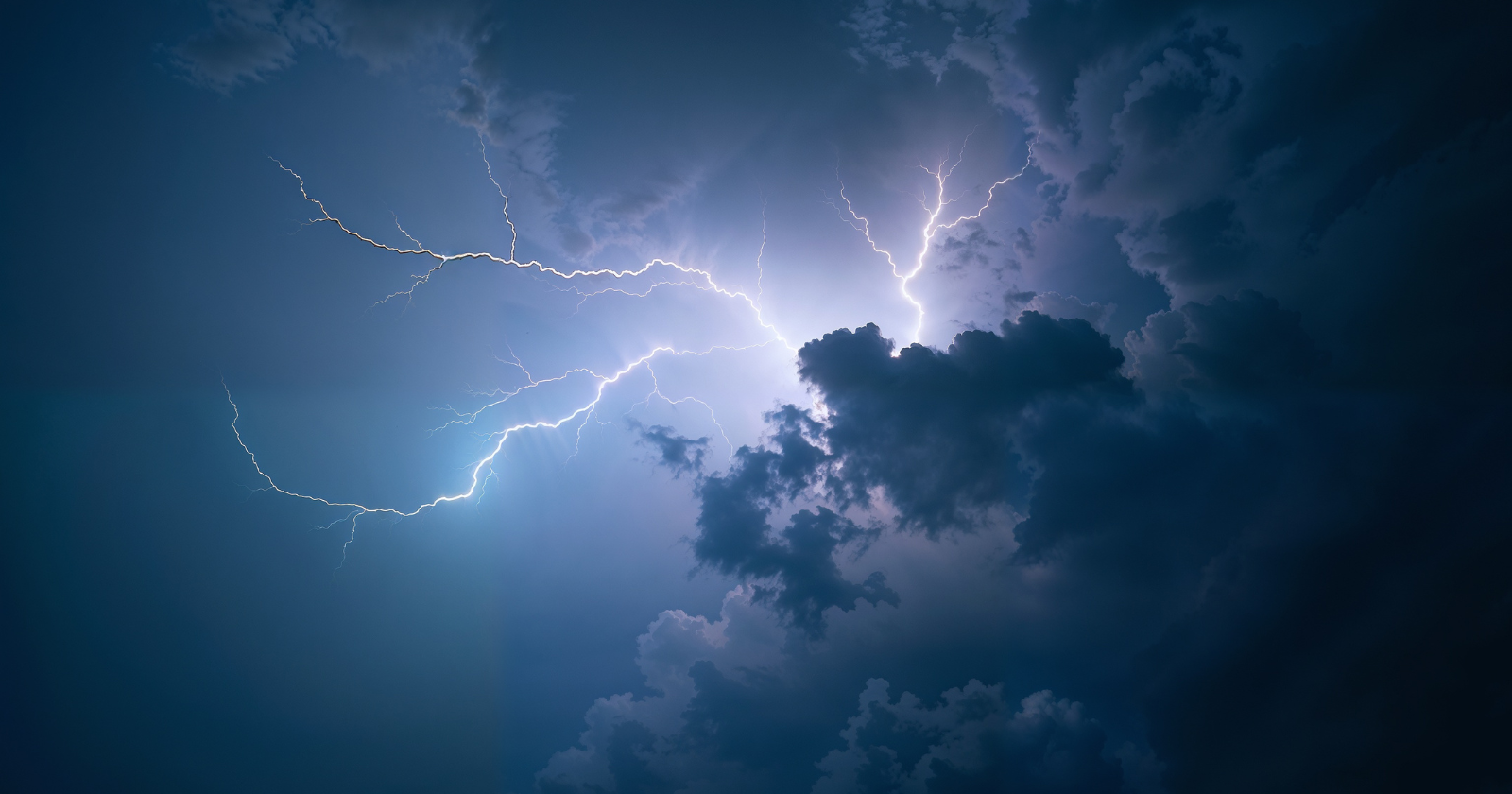
During the 16th century, Spanish navigators traversing the southern Caribbean seas depended on a natural phenomenon for their navigation: the continuous lightning storms over a distinctive region identified as El Faro de Maracaibo or the Maracaibo lighthouse. This atmospheric occurrence takes place where the Catatumbo River discharges into Lake Maracaibo in north-western Venezuela, producing a constant illumination in the sky that has resisted darkness for centuries.
**Lightning Capital Transformation: Recent Discoveries**
Historically, the Congo Basin has been recognized as the most lightning-active region on the planet. However, recent investigations by Rachel Albrecht have altered this perspective. By employing NASA’s Lightning Imaging Sensor data at an unprecedented resolution, Albrecht’s team revealed that Lake Maracaibo indeed displays the highest frequency of lightning strikes, registering 232.52 flashes per square kilometer annually, outpacing Kabare in the Democratic Republic of Congo. The American Meteorological Society notes that this location experiences storms over the lake for roughly 297 nights each year. This phenomenon is significant as it occurs over water and primarily at night, contrasting with the usual land-based, afternoon storms.
On the ground, the intensity is extraordinary — NASA Earthdata indicates approximately 28 flashes per minute after dark, sustaining this rate for as long as nine hours, providing vibrant illumination along the lakeshore.
**Geographical and Meteorological Perspectives**
The distinct geography of Lake Maracaibo is crucial. Surrounded by mountains and maintaining temperatures ranging from 28 to 31 degrees Celsius, it creates an optimal setting for enduring storms. The cooler mountain air cascading into the lake meets the warmer, humid air, generating vertical energy known as convective available potential energy (CAPE) — an essential element for storm development. This ongoing interplay makes Lake Maracaibo a natural marvel rather than merely another wet locale.
**An Uncommon Lull**
In early 2010, the lightning over Lake Maracaibo halted for approximately six weeks due to a severe El Niño event which diminished the atmospheric moisture required for storms, captivating both local and global media. The phenomenon eventually resumed, underscoring the critical reliance on environmental factors.
**Progress in Lightning Forecasting**
Ángel Muñoz, a native of Maracaibo, harnessed his knowledge of the area to significantly improve lightning forecasting. His research at Columbia University’s International Research Institute led to the first seasonal lightning forecasts, based on elements like CAPE and wind. These forecasts bear significant consequences for Zulia, where lightning strikes impact not only local communities but also agriculture and oil extraction activities.
For the 20,000 local fishermen and inhabitants of Lake Maracaibo, these forecasts are vital. While some may appreciate the constant storm as a natural spectacle, it poses logistical and safety hurdles for communities living beneath its electrifying canopy, now benefiting from advance scheduling for one of nature’s most enduring displays.