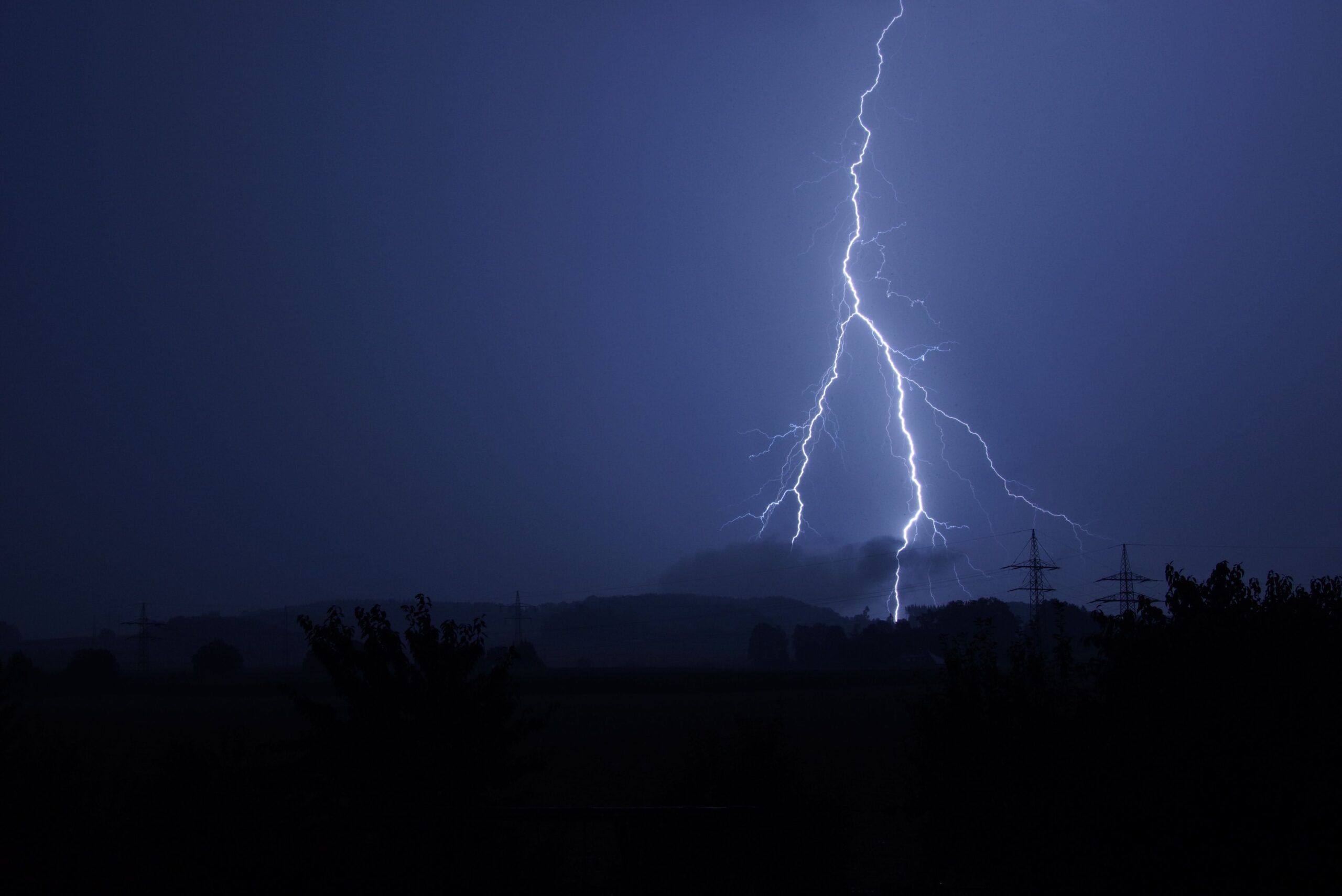
The flash and noise associated with a thunderstorm represent two facets of the same phenomenon, intricately connected through a series of physical processes. A lightning bolt, or return stroke, signifies the swift discharge of electrical energy across the atmosphere, forming a plasma channel that emits illumination and produces sound. When lightning strikes, the electrical current sculpts a thin channel through the air that heats to extraordinary temperatures, estimated to reach about 30,000 Kelvin, or approximately 53,500 degrees Fahrenheit. This heat makes the lightning channel considerably hotter than the Sun’s visible surface, known as the photosphere, which is around 5,800 Kelvin.
The extreme heat of the lightning not only generates a bright flash but also prompts the adjacent air to expand at a rapid rate. This expansion arises from the sudden surge in temperature and pressure, resulting in a shock wave that travels through the atmosphere. As this shock wave propagates, it transforms into a sound wave, which we perceive as thunder.
To elaborate, this process initiates with the creation of a charged path, referred to as a leader stroke, which ionizes the air between the thunderclouds and the Earth. Once the connection is established, a high-current wave surges upward, converting the normal atmospheric gases into a high-pressure plasma channel. This plasma is intensely aglow, and the ensuing flash is what is seen by onlookers.
The mechanics behind the roaring sound linked to lightning are grounded in the characteristics of the heated air. The air heats so rapidly that the rise in pressure generates a shock wave that spreads outward. In typical situations, heated air can expand gradually to equalize pressure. However, the swift timescale of a lightning strike leads to an abrupt pressure front that results in what is termed supersonic expansion, somewhat similar to a sonic boom.
The quality of the resultant sound differs based on elements such as the length, trajectory, and formation of the lightning channel. A lightning channel can extend for kilometers, and each segment emits sound waves that arrive at slightly distinct times according to their distance from the observer. This variation produces the initial loud crack or snap heard from the closest part of the strike, succeeded by a rumble as sounds from more distant sections blend in time with the observer’s hearing. The high-frequency sounds travel faster and diminish quickly, leaving behind the deeper, more resonant tones of thunder.
Aside from the immediate audible and visual effects, the thermal energy from lightning can lead to substantial physical repercussions. The extreme temperatures and pressures can instigate chemical reactions in the atmosphere, vaporize tree sap, and even cause damage to terrestrial objects. Therefore, while comparisons to the sun’s temperature add a dramatic element, what truly characterizes the thunder produced is the immense concentration of energy into a narrow, transient pathway and the swift conversion of this energy into heat.
In conclusion, the sequence connects the instantaneous travel of light to the observer’s eyes and the slower passage of sound heard moments later. Lightning and thunder exemplify nature’s remarkable capacity to convert kinetic electrical energy into brilliant light and formidable sound waves.