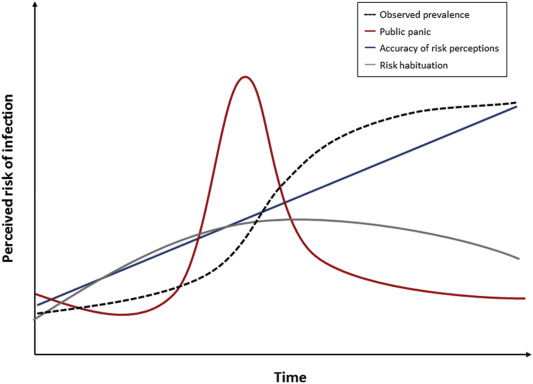
The recent intensified discussion surrounding “behavioral fatigue” in relation to social distancing during the COVID-19 pandemic has illuminated the intricate relationship between human behavior and public health responses. Initially referenced by the UK government as a justification for postponing stricter health measures, the concept of behavioral fatigue indicates that individuals may become weary of sustained compliance with preventive health protocols, which could result in diminishing adherence over time.
This theory has, however, faced opposition in the media, particularly in an article by *The Guardian*, claiming that “behavioral fatigue” is not supported by scientific evidence. While the term may not be explicitly found in medical literature, numerous studies do explore shifts in adherence to health measures throughout an epidemic, frequently focusing on varying risk perception.
Historically, public reactions to previous epidemics, like the 2009 H1N1 flu pandemic, have provided valuable insights. Research indicates that individuals’ involvement in preventive actions such as handwashing and social distancing may decline as the perceived novelty and urgency of the threat diminishes, even when the actual risk remains significant or escalates. This decline is not necessarily straightforward and can be impacted by factors such as personal risk evaluation and socio-economic influences.
Importantly, studies carried out in different countries have revealed varying compliance patterns. For example, research in Italy, Hong Kong, Malaysia, and the Netherlands documented fluctuations in adherence to preventive measures. In contrast, studies from the Netherlands suggested that compliance with recommended health behaviors may remain consistent or even rise over time, especially when actions require minimal investment or correspond with individuals’ immediate priorities.
While some contend that epidemics might present waves in part due to varying levels of compliance, it is clear that individuals’ reactions can differ greatly based on contextual and psychological influences. Furthermore, strategies for sustaining public compliance have involved incorporating behavioral dynamics into epidemiological models to forecast and improve effective public health measures.
Ultimately, the discourse highlights the significance of clear communication and thoughtfully considered scientific claims during emergencies. As society manages the limitations of a pandemic, there is a shared obligation to follow preventive guidelines. Drawing from previous and ongoing research, we can aim to remain vigilant and aid in curbing the virus’s spread, potentially safeguarding lives in the process.