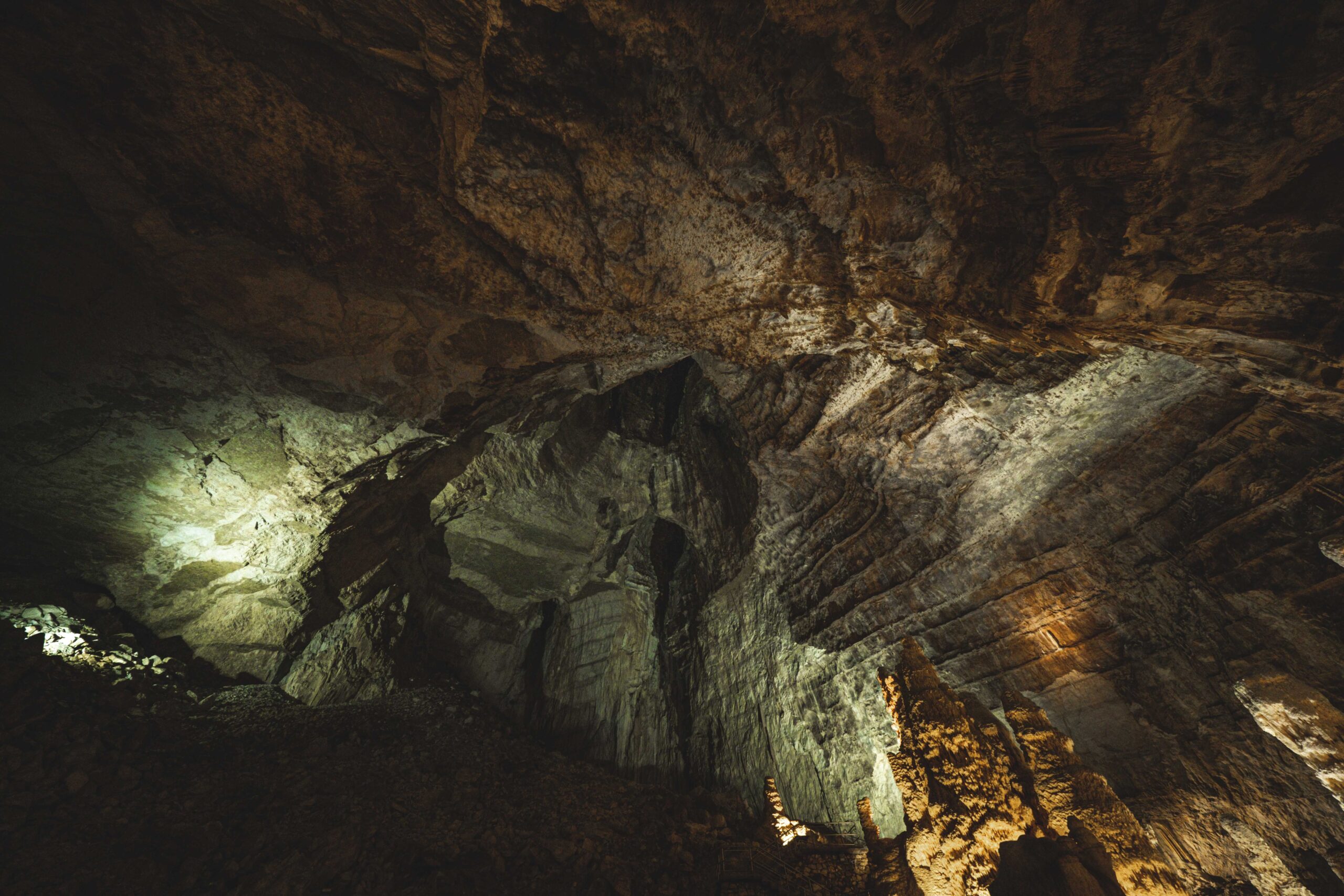
Preserved Diversity: Finding in a Limestone Cave Close to Kjøpsvik, Norway
Hidden deep inside a limestone cave near Kjøpsvik in the northern region of Norway, an extraordinary find illuminates a lively Arctic ecosystem that dates back approximately 75,000 years. The Arne Qvamgrotta location, which is part of the Storsteinhola cave system, provides a rare insight into an ancient coastal Arctic society that included polar bears, walruses, bowhead whales, reindeer, seabirds, freshwater fish, and the intriguing collared lemming, a species previously unrecorded in Scandinavia.
From a Single Bone to an Extraordinary Find
The journey commenced in 1991 when geologist Stein-Erik Lauritzen discovered a polar bear rib bone within the cave. This find laid the groundwork for a prolonged period of research, leading to a significant study published in 2025. Excavations led by the University of Oslo during the early 2020s employed advanced methods such as radiocarbon dating, optically stimulated luminescence, and DNA analysis to determine the age of the primary collection of remains from Marine Isotope Stage 5a, which spans roughly 85,000 to 71,000 years ago.
A Glimpse into a Diverse Past
The layered sedimentary environment of the remains provides critical insights into the ecological conditions of that era. The bone fragments, numbering over 6,000, indicate a rich variety of vertebrates cohabiting in a habitat influenced by the interplay of tundra, open water, and sea ice environments. The accurate dating and varied fauna illustrate a dynamic ecosystem that was capable of sustaining these species during the Odderade interstadial, a relatively temperate phase of the Weichselian glacial period.
Rebuilding an Ancient Ecosystem
Cutting-edge DNA techniques were essential in identifying 46 vertebrate taxa, featuring species like the polar bear, ringed seal, walrus, blue whale, Arctic grayling, and tundra vole. The extraction of DNA from fragmented remains allowed for a broader comprehension of the ecosystem, surpassing the limitations of traditional osteology.
A Regional Historical Transformation
The most intriguing discovery is the identification of the collared lemming, Dicrostonyx torquatus, now extinct in Fennoscandia but still found further east. Genetic analysis additionally demonstrated that this lemming, along with polar bears and Arctic foxes, descended from mitochondrial lineages that have no existing descendants, underscoring the dynamic character of species diversity over the ages.
Consequences for Understanding Climate Change
While the ancient ecological shift does not directly forecast present climate issues, it serves as a powerful reminder of the fragile balance within Arctic ecosystems. As species adapt or vanish, safeguarding genetic diversity and ecological interactions becomes crucial for understanding climate resilience.
Through thorough analysis, the Arne Qvamgrotta cave unveils not merely a catalog of Ice Age species, but the complex tapestry of life that once flourished under shifting climatic circumstances, providing a vital glimpse into the historical dynamics of Earth’s biodiversity.