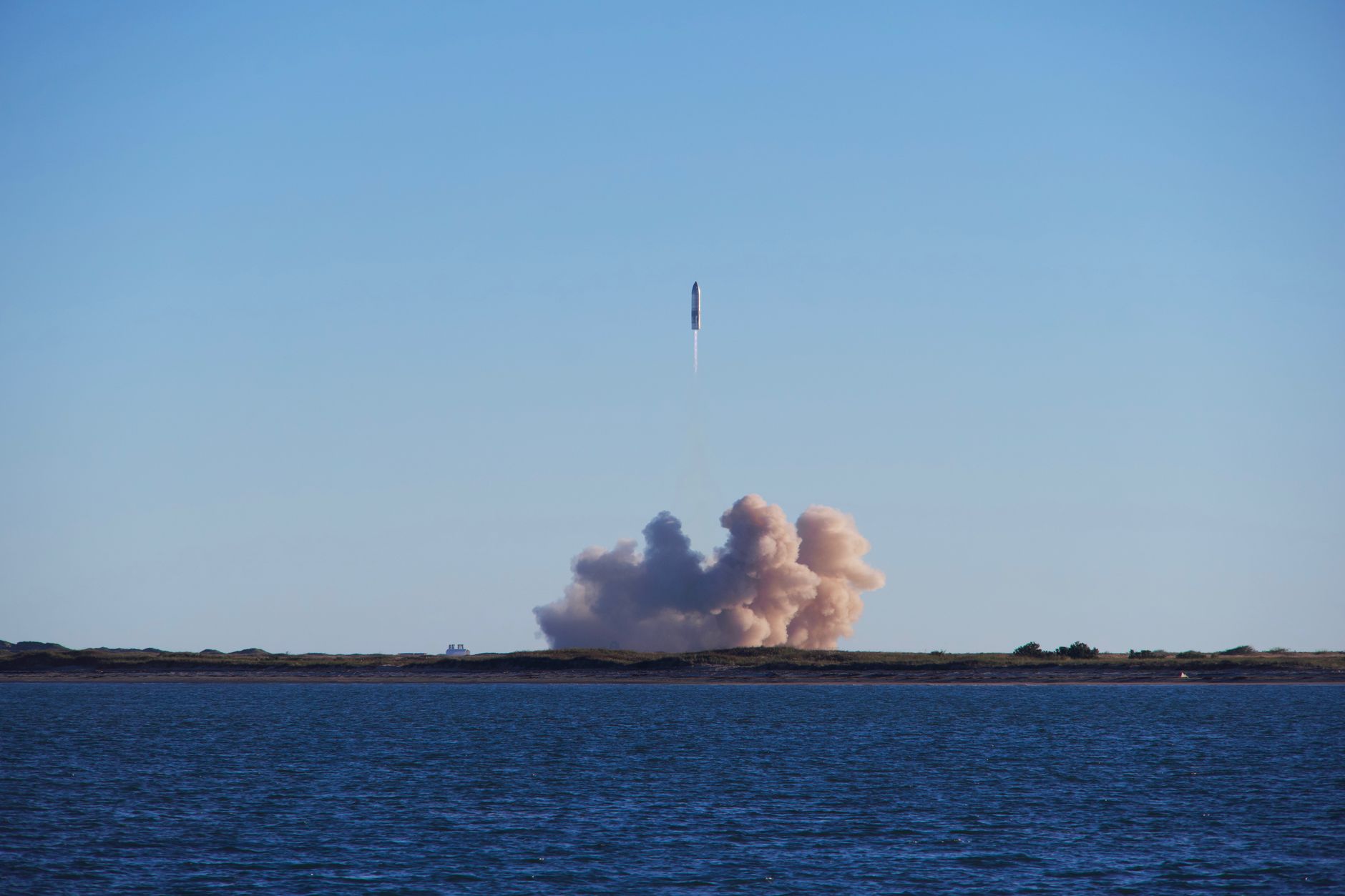
**SpaceX’s Odyssey to Mars: From Aspirational Goals to Feasible Timelines**
SpaceX, led by Elon Musk, has consistently been a symbol of ambitious goals in space exploration, especially regarding the colonization of Mars. Throughout the last ten years, the company has established multiple target dates for Mars missions, each time adjusting expectations according to technological progress and testing results.
**2016: Red Dragon for Mars 2018**
The adventure commenced in 2016 with the unveiling of the “Red Dragon” mission, which aimed to land an unmanned spacecraft on Mars by 2018. This project was designed as an engineering test to evaluate heavy payload landing methods and involved collaboration with NASA. However, SpaceX pivoted away from the Red Dragon initiative, choosing instead to focus on a larger, more sophisticated spacecraft design.
**2017: Cargo and Crew by 2022**
In 2017, SpaceX introduced a new vision with the BFR, now recognized as Starship. Musk outlined ambitions for two cargo missions in 2022, followed by crewed missions in 2024. These endeavors were meant to establish the foundation for a sustained human presence on Mars, concentrating on the discovery of water and building essential infrastructure for long-term living. Despite these proposals, the timelines for development turned out to be overly optimistic as technical obstacles surfaced.
**2024: Uncrewed Missions by 2026**
As SpaceX advanced with the development of Starship, Musk established a fresh target: uncrewed missions by 2026 to demonstrate the viability of safe landings on Mars. This update highlighted the importance of proving reliability before sending humans. Significant progress was achieved in Starship testing, but some critical technologies, like orbital refueling, remained untested for Mars missions.
**2026: The Present Perspective for 2028**
SpaceX’s current narrative suggests that cargo launches will not take place before 2028. This aligns with a more measured stance, reflecting the various challenges associated with successful Mars missions. Although “no earlier than 2028” is still speculative, it signifies a dedication to refining systems to guarantee mission success.
**Advancements and Obstacles**
Over the timeline, SpaceX has made notable advances, transforming space travel with reusable rockets and pioneering the Starship design. Each test yields valuable insights, informing future iterations and boosting reliability. Nonetheless, no mission will proceed without demonstrating essential operations like cryogenic fuel transfers and atmospheric re-entry.
Despite numerous setbacks, the core of SpaceX’s mission remains intact. The ambition to make life multiplanetary drives the company forward, embracing a process of iteration that learns from every test. While the timeline for a crewed Mars mission remains adaptable, the technological advancements are undeniable.
In conclusion, although the path to Mars has not followed the original schedules, it stands as a testament to SpaceX’s dynamic strategy in spacecraft development and its unwavering commitment to transformative exploration. The timeline may evolve, but the vision steadfastly endures.