In 2016, South Africa encountered its driest year since record-keeping started in 1904. The previous year’s precipitation was merely two-thirds of the national average, leading to a disaster declaration in eight out of nine provinces. In this alarming context, farmers were observing the destruction of their crops live on the evening news.
Kiara Nirghin, a 16-year-old from Johannesburg, was one of the viewers. Instead of lamenting about the incessant rain, she concentrated on soil, with the goal of improving its water retention ability in an affordable way for struggling farmers. The fundamental question was clear: could the soil be engineered to keep moisture for a longer period?
The industrial answer was already available in the shape of superabsorbent polymers (SAPs), which could retain large quantities of water and were utilized by farmers in affluent areas. However, these materials were acrylic-based, non-biodegradable, and expensive—costing between $2,000 and $3,000 per tonne, thus out of reach for smallholders.
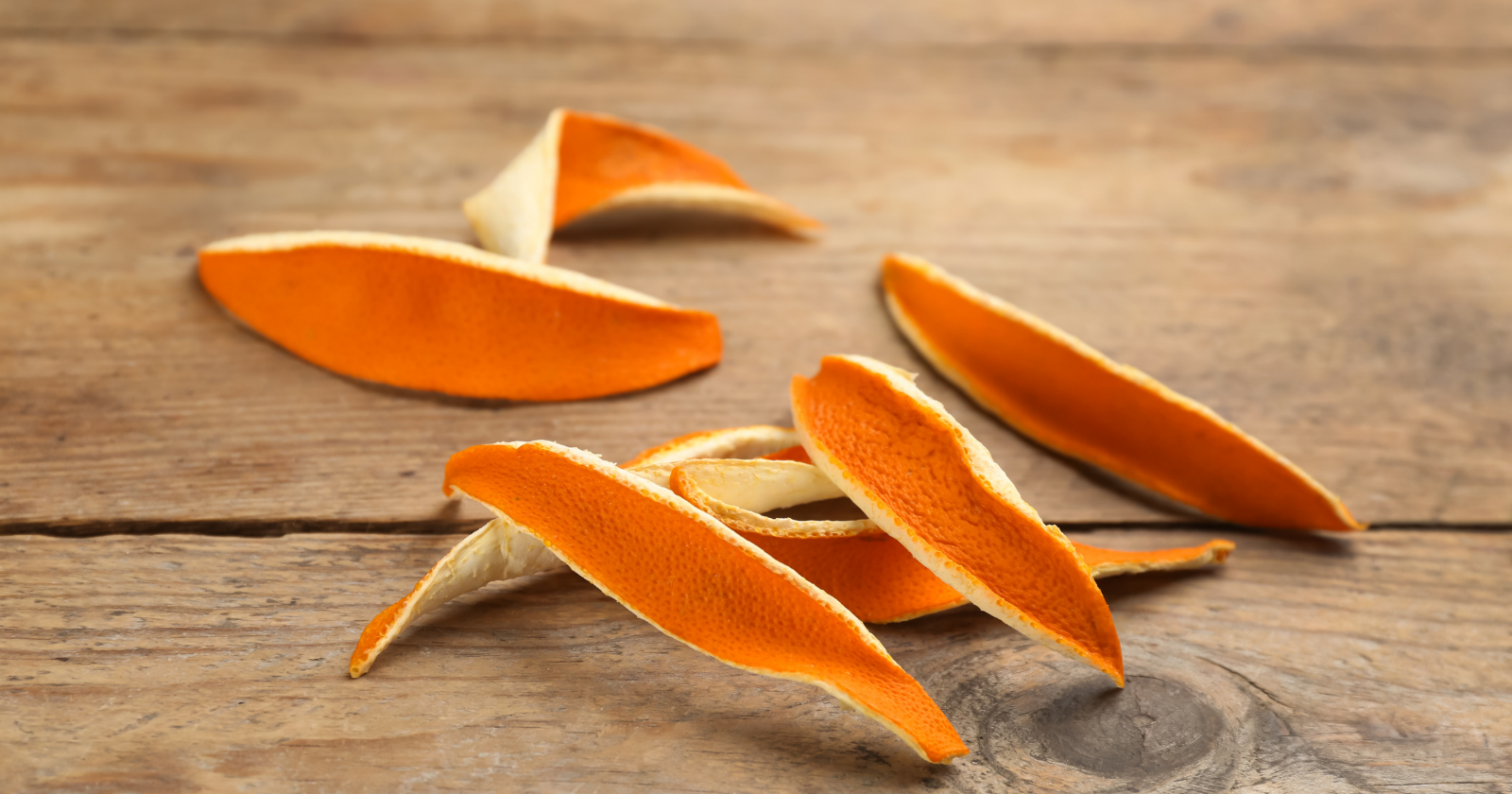
Nirghin’s investigation found that SAPs depended on chain-molecule polysaccharides. She then pinpointed waste sources of these polysaccharides, discovering that orange peels were abundant in them, along with pectin, a natural gelling agent. Furthermore, she collected essential oils from discarded avocado skins.
Her initiative, “No More Thirsty Crops,” required 45 days of experimentation. She began by boiling orange peels to obtain a pectin-rich liquid, then mixed it with dried, ground peel and avocado skin. The blend was sun-cured in South Africa’s sunlight to link the polysaccharides into a gel, avoiding industrial techniques.
Comparative assessments demonstrated that the homemade orange peel blend absorbed 76.1 percent of water, exceeding commercial acrylic SAPs, which absorbed 74.7 percent. The material could retain 300 times its weight in liquid, was entirely biodegradable, and was considerably cheaper, at $30 to $60 per tonne. The innovation earned Nirghin the grand prize at the Google Science Fair, which included a $50,000 scholarship.
Although her solution was still in the prototype phase and not a commercial product, it showcased the possibilities for creative, low-cost solutions derived from waste, harnessing sunlight—a plentiful resource in South Africa. Nirghin’s accomplishment was a demonstration of inventive thinking and problem-solving, encouraging further exploration and advancement in sustainable methods.