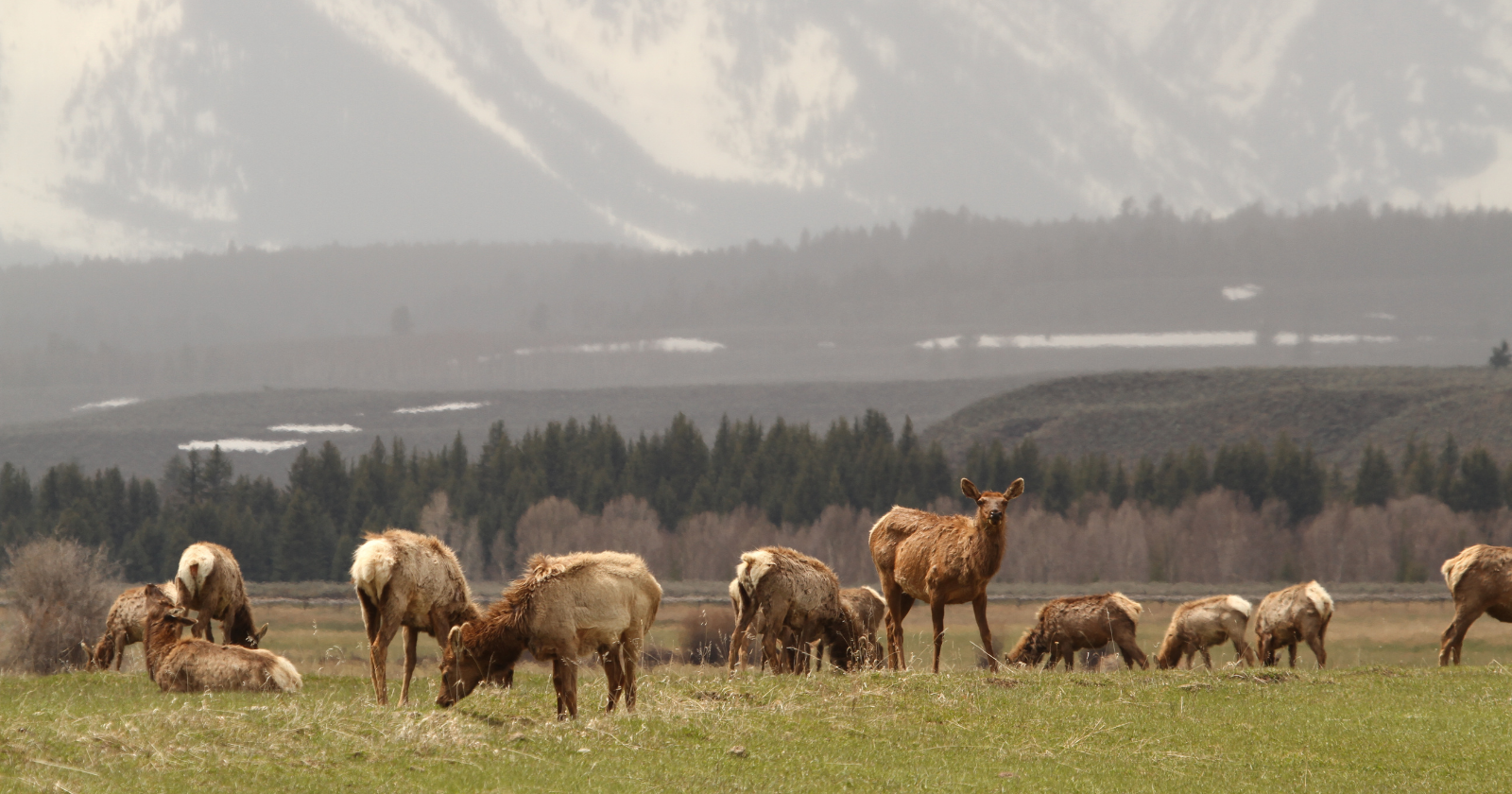
The final elk observed in Kentucky was hunted around the period of the Civil War. The eastern elk, a subspecies that flourished in the Appalachians, was declared extinct by the end of the 1870s. For more than a hundred years, the notion of elk in the eastern mountains was placed in the same category as the extinct passenger pigeon, as the environments that nurtured them had disappeared. With the East reverting to thick forests and farmland, the elk, a species favoring open landscapes, appeared to be out of place. Yet, somewhat unintentionally, the coal industry contributed to the recreation of these open habitats.
Surface mining in Appalachia, instead of merely excavating holes, transformed entire landscapes. Mountaintops and ridgelines in eastern Kentucky were modified for coal seams, with federal regulations requiring the restoration of disturbed areas. The most cost-effective method to cultivate vegetation on rocky landscapes was through grass, leading to extensive stretches of barren grasslands throughout the coalfields by the 1990s.
Acknowledging the potential environment for elk, a 1997 study conducted by the Kentucky Department of Fish and Wildlife set the stage for vigorous restoration initiatives, financed by the Rocky Mountain Elk Foundation. Between 1997 and 2002, 1,541 elk were moved to a 16-county restoration zone in southeastern Kentucky, representing one of the most thorough reintroduction efforts ever undertaken.
The elk thrived in the restored areas, utilizing the open grasslands for grazing and the surrounding woods for refuge. Their population swelled to approximately 13,000, establishing the largest herd east of the Rockies, coinciding with the downturn of the coal economy. Kentucky began elk hunting as early as 2001, turning it into a major economic boon through tourism and hunting licenses.
However, this success challenges typical narratives. Restored mines do not function as genuine ecosystems but rather areas altered from forest to savanna, appropriate for large grazers. The future of the elk requires proactive habitat management as grasslands continue to change, showcasing a remarkable conservation achievement amid environmental difficulties. Today, these altered landscapes support the largest elk herd in the East, exemplifying adaptability and opportunistic conservation.