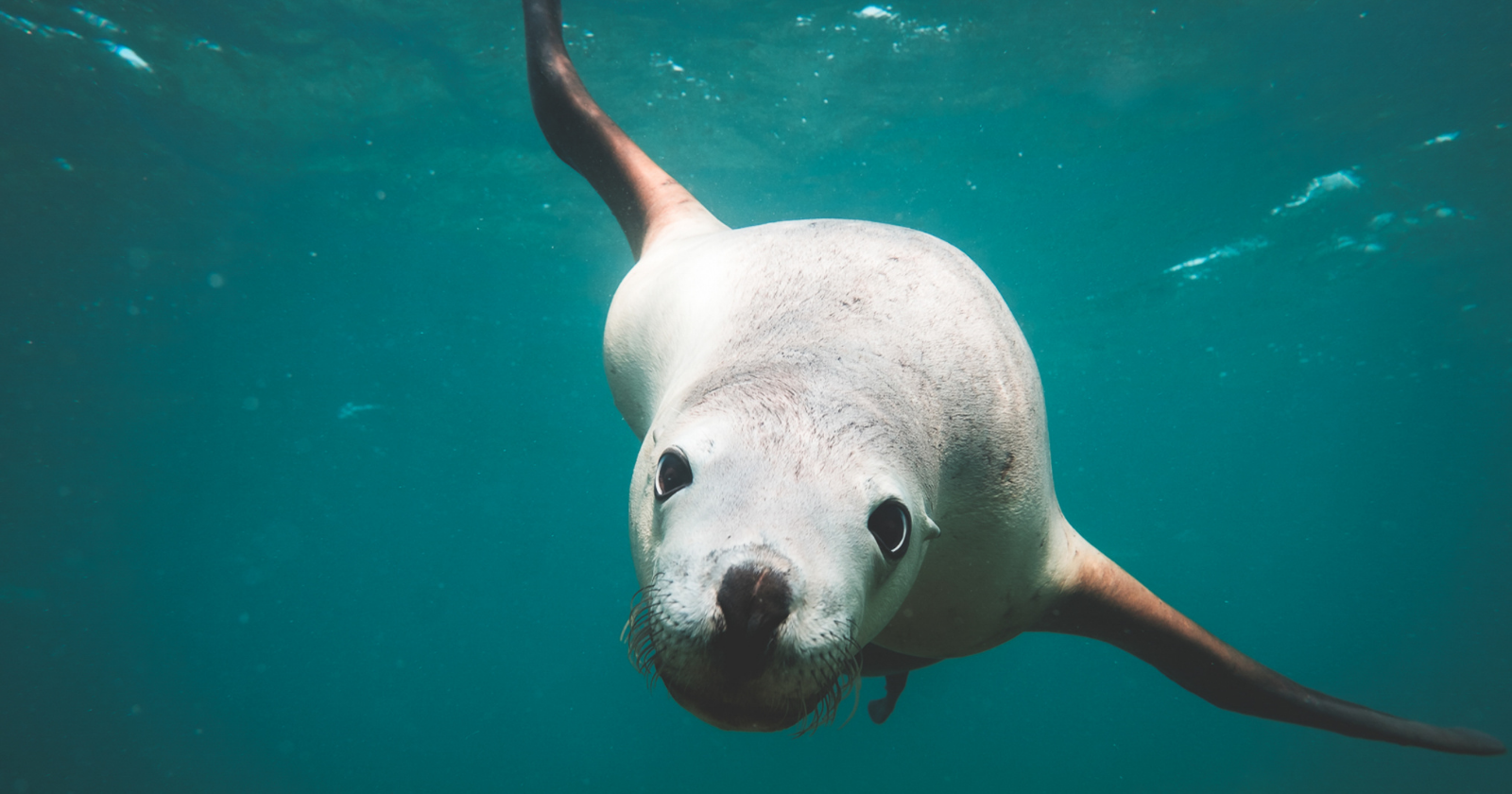
Elephant seals display one of the most remarkable lifestyles among large mammals, spending the majority of their existence primarily underwater. These extraordinary beings are especially recognized for their extensive diving behaviors, which remain largely concealed from human scrutiny except for recent technological innovations in marine biology.
When a northern elephant seal leaves the shores of Año Nuevo in California for post-breeding or post-molting migrations, it notably sidesteps prolonged surface activities common to marine mammals such as dolphins. Instead, these seals plunge deeply, remaining submerged for lengthy durations—averaging approximately thirty minutes—followed by short surface breaks. This cycle perpetuates continuously throughout their offshore journeys, which can extend from two to eight months, causing adult female elephant seals to spend around ninety percent of their time underwater. Such figures seemed unimaginable until the introduction of specialized tracking devices allowed for the observation of their remarkable travels beneath the surface.
In the early 1980s, Burney Le Boeuf, an innovative marine biologist from UC Santa Cruz, along with colleagues, attached a time-depth recorder to an elephant seal to monitor its underwater behavior. This groundbreaking technique revealed incredible diving capabilities, with documented depths averaging 333 meters and surpassing 600 meters. These discoveries transformed the understanding of marine mammal physiology and behavior, demonstrating that these dives were not mere anomalies but indicative of their standard way of life.
Subsequent advancements in tracking technology throughout the 1990s and 2000s enabled researchers to accumulate more detailed data. Investigations employing satellite tags on numerous seals disclosed even deeper dives, with solitary descents exceeding 1,750 meters by 2012, providing researchers a more nuanced view of their adaptation to the demanding deep-sea habitat.
By 2024, data gathered from tracking 475 individual seals had recorded millions of dives, consistently establishing new depth benchmarks. Importantly, the pressures and temperatures at these depths are extreme, rendering such dives seemingly unfeasible for land mammals. However, the seals’ physiology is exquisitely adapted to these conditions: they efficiently manage oxygen, endure immense pressure, and depend on heightened sensory adaptations to navigate and hunt in complete darkness.
The insights gained from these technological recording advancements highlight the elephant seal’s inherent nature and evolutionary adaptations. Their expertise in deep-sea diving, primarily driven by the need to hunt squid, underscores remarkable evolutionary solutions to survival, painting a profound picture of life beneath the surface. These findings continue to reshape the broader domains of marine biology and evolutionary biology, offering a glimpse into the intricate dynamics of marine ecosystems.