**The Journey of Used Wine Corks: More Than Just the Recycling Bin**
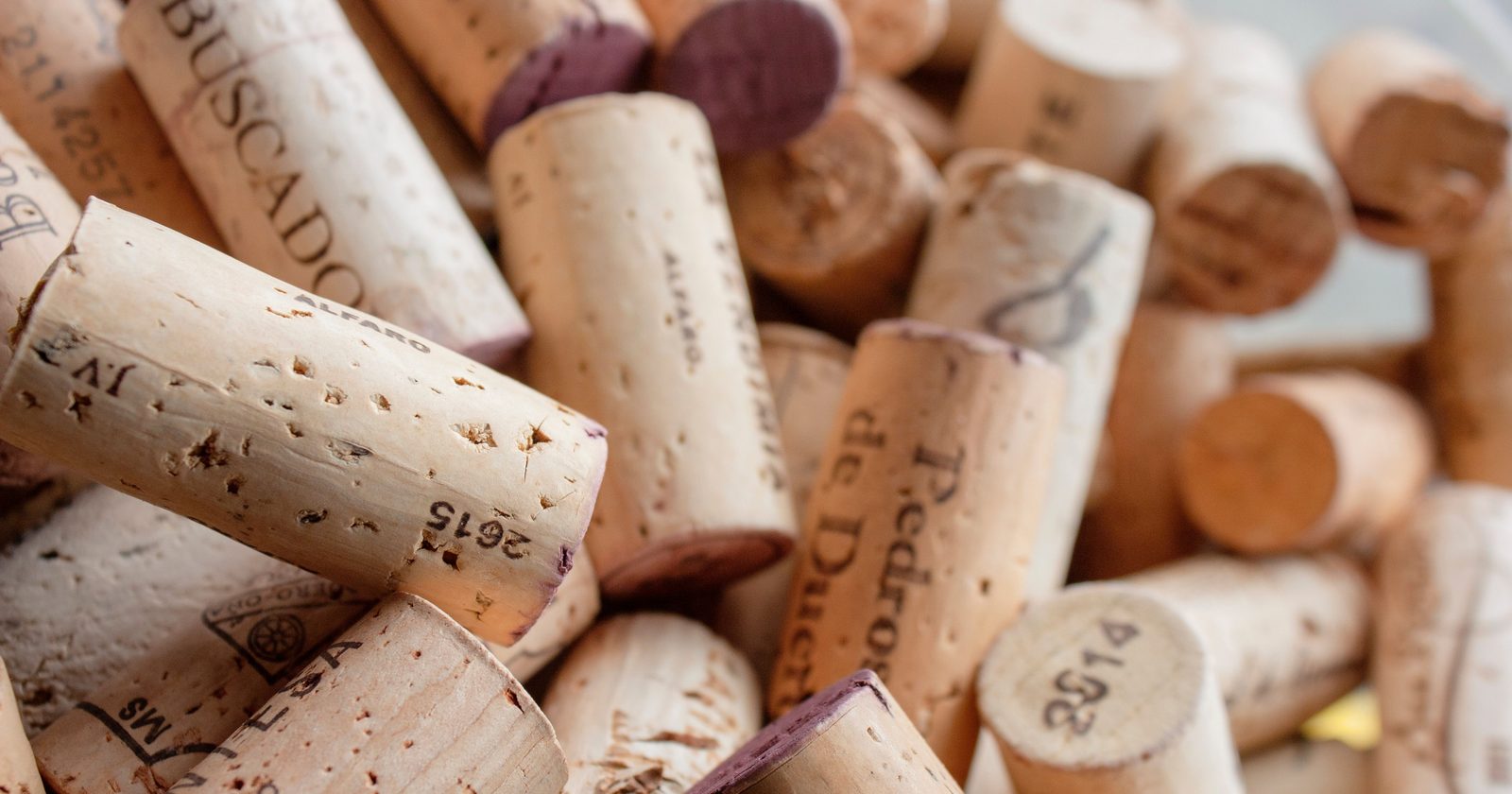
A used wine cork signifies more than just a leftover memento of an enjoyable evening. Even though it is a natural substance, placing it in the typical household recycling bin proves to be mostly unhelpful. Most curbside recycling systems are not equipped to handle these small, lightweight corks, often resulting in their disposal in landfills or through incineration. Nonetheless, Portugal has implemented an effective system to ensure corks are not discarded inappropriately, granting them a second chance.
**Obstacles in Recycling Used Corks**
Cork comes from the bark of the cork oak tree, making it a renewable resource. The extraction process does not damage the tree, which makes cork a sustainable product. However, the hurdles arise in the collection phase. Regular recycling bins are intended for materials like glass, paper, metal, and plastic, but not cork stoppers. This has led to the development of specialized collection initiatives to recycle cork appropriately.
**Portugal’s Pioneering Collection System**
Portugal, a major cork producer, has launched the Green Cork initiative, driven by the environmental non-profit Quercus and Corticeira Amorim since 2008. This program establishes cork collection sites in popular locations for cork users, such as wine shops, restaurants, supermarkets, and tourist attractions. Significantly, the Continente supermarket chain aids the initiative by providing household cork boxes, motivating families to gather and deposit corks at these designated sites.
After collection, the corks are sent to recycling centers, like the one at Amorim Cork Composites in Mozelos, where millions of cork stoppers have been processed since the launch of Green Cork.
**Cork Recycling: An In-Depth Process**
Within the recycling facility, cork stoppers are manually sorted to remove contaminants such as plastic stoppers and metal caps. Following cleaning and sanitization, the cork is crushed into granules, marking the start of its evolution into a multipurpose raw material.
Only a small portion of recycled cork qualifies for the production of new natural cork stoppers. Nonetheless, these granules possess a wide range of uses, including flooring, insulation, sports surfaces, footwear, and even parts for aircraft, highlighting the material’s lasting significance.
Additionally, the income generated from cork recycling in Portugal supports reforestation activities, aiding in the planting of over 828,000 native trees, as noted by the program coordinators.
**Engaging in Cork Recycling**
To recycle corks effectively, it is essential to locate local collection programs and differentiate natural cork from synthetic options. Natural corks are brown and woody, contrasting with plastic-based synthetic corks. By gathering authentic cork stoppers and placing them in designated collection points, individuals can help ensure they do not end up in landfills and promote sustainable practices.
In summary, although wine corks might appear insignificant, their recycling offers significant environmental and economic advantages. By participating in proper collection methods, individuals can assist corks in evolving from simple waste to valuable resources.