In the summer of 2019, France faced two notable heat waves, drawing national focus as temperatures surged in the southern areas, reaching points where grapes on unprotected vines started to cook instead of maturing. During this period, a French enterprise known as Sun’Agri launched an innovative trial on a section of Grenache Noir vines in Piolenc. They installed solar panels five meters above the vines, managed by an algorithm capable of adjusting the panels to control the necessary sun exposure daily.
The concept of regulating sun exposure is not novel; vintners have traditionally modified leaf canopies to manage this factor. Nevertheless, Sun’Agri’s experiment in Piolenc distinguished itself by incorporating a 500-square-meter control section left without coverage next to the shaded vines, facilitating a direct comparison over six years.
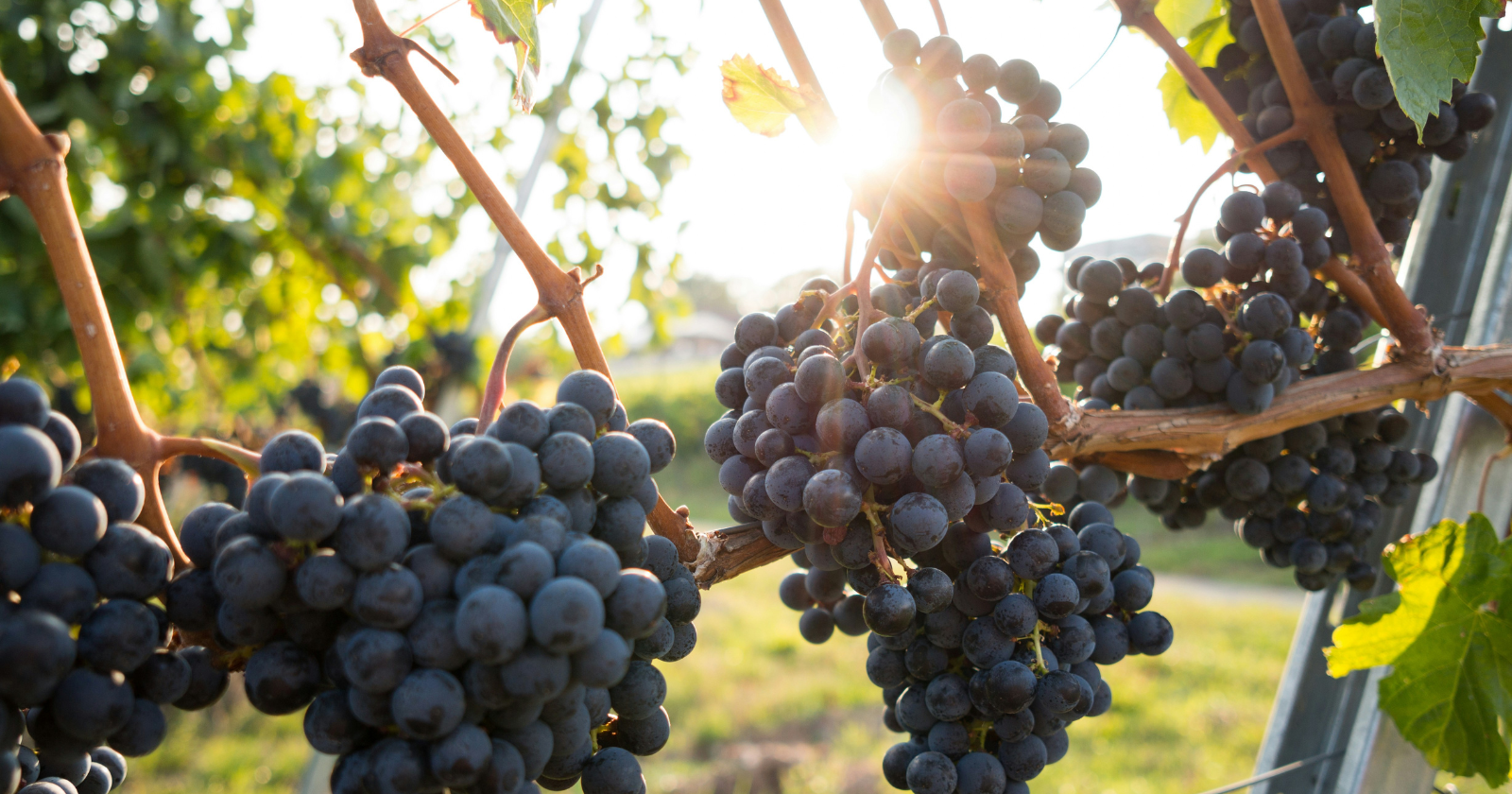
The exposed area illustrated the difficulties grapevines encounter during severe heat waves. In conditions of extreme heat, grapevine leaves may fall prematurely, and the berries could shrivel before they ripen, both signs of significant heat stress. This control section represented the normal vineyard circumstances in a warming climate without any intervention.
In contrast, beneath Sun’Agri’s adjustable solar panels, researchers observed decreased heat stress on the vines, averting defoliation and berry shriveling. The ripening cycle was prolonged, leading to delays in veraison and harvest, which resulted in wine with a fruitier character compared to the more astringent wine from the control section.
Sun’Agri indicated up to four degrees Celsius of cooling beneath the panels during heat waves, a 41% reduction in water usage for irrigation, and a 30% rise in yield. These figures, although reported by the company, are consistent with findings from independent researchers engaged in the Piolenc trial, enhancing the claims’ credibility.
Beyond research contexts, the technology showcased its effectiveness in practical applications. At Domaine de Nidolères, vintners Pierre and Martine Escudié noted quicker vine growth and improved grape maturation under Sun’Agri panels, achieving 30% higher yields compared to unshaded plots. Their confidence in agrivoltaics prompted them to broaden their implementation of the technology in 2024, expecting similar advantages with new grape varieties.
The trials concentrate on directly comparing shaded and unshaded plots under the same conditions, presenting strong evidence of the panels’ effects. This method emphasizes the potential of agrivoltaics as a resource not only for protection but also for sustainable vineyard management amidst escalating climate challenges.