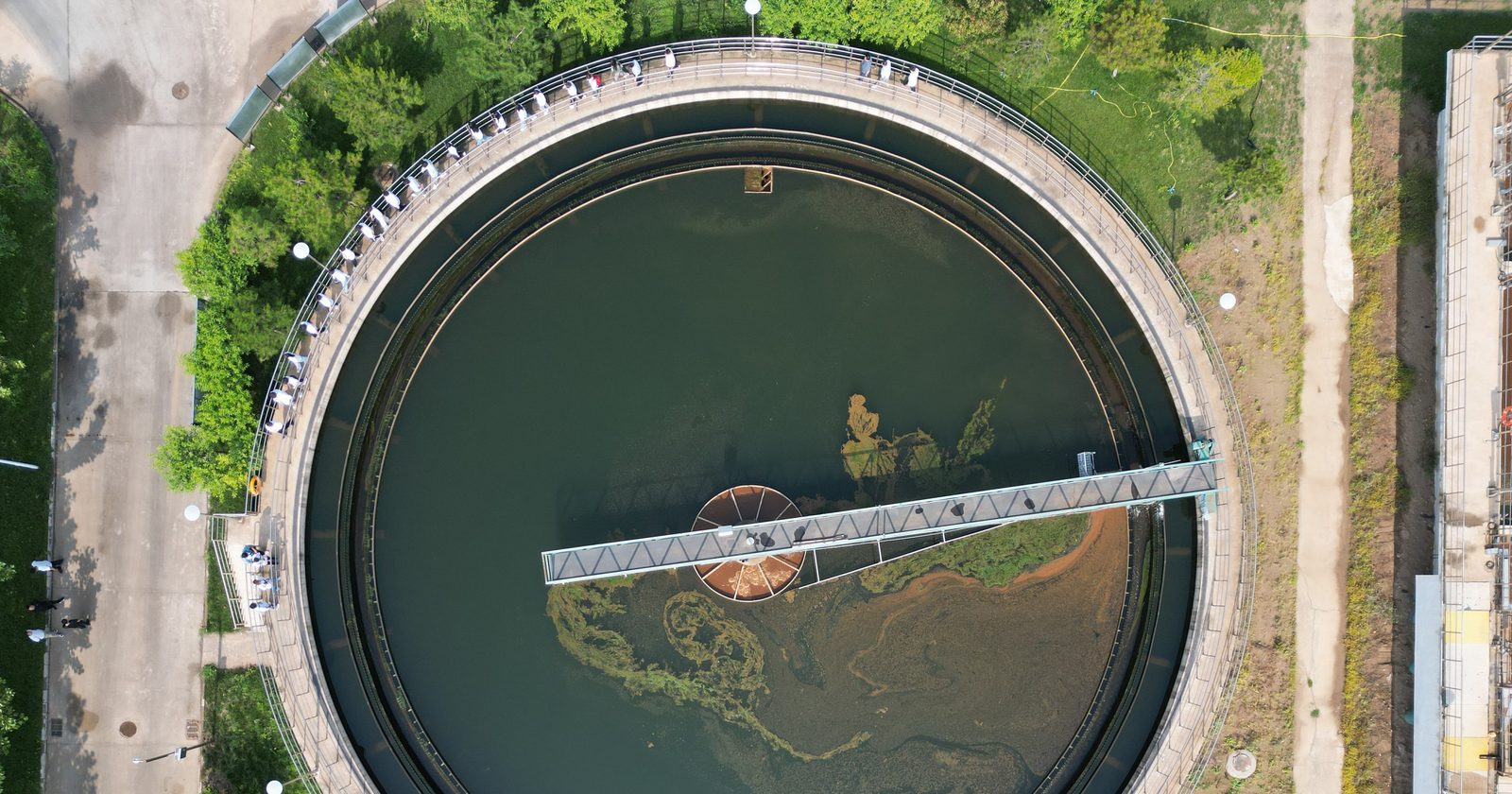
Namibia, recognized as one of Africa’s most arid countries, encounters distinctive issues regarding water management, especially in its capital, Windhoek, which receives just 300 millimeters of precipitation annually. These circumstances drove the city to implement a groundbreaking strategy to address water scarcity. In 1968, Windhoek inaugurated the Goreangab wastewater recycling facility, representing the first occurrence of converting municipal wastewater directly into drinking water without intermediate natural or artificial interventions like rivers or reservoirs.
This endeavor was not a rushed decision but a meticulously overseen engineering project that continues to advance. The original facility was replaced by the New Goreangab Reclamation Plant in 2002, which treats around 21,000 cubic meters of water each day, catering to about 350,000 inhabitants. This operation employs a detailed ten-step treatment process, including ozone treatment, carbon filtration, membrane filtration, and chlorination. The underlying philosophy of the recycling method revolves around emulating, though accelerating, natural purification processes.
Windhoek’s initiative stands as a proof of the safety and effectiveness of water reclamation, with more than fifty years of functioning without health incidents typically related to the term “drinking sewage.” The triumph of Windhoek’s strategy places the onus of proof on skeptics and challenges views shaped more by wording than by actual evidence.
Internationally, Windhoek’s paradigm is being increasingly embraced. For example, Big Spring, Texas, and El Paso have initiated comparable wastewater recycling programs, and regulatory frameworks in regions like Colorado and California are evolving to facilitate direct potable reuse. Windhoek’s approach is now recognized as a global standard for sustainable water management in dry areas, as efficiency and necessity reshape water reuse methods around the globe. The enduring effect surpasses the initial unease associated with recycled water, rooted in a successful and trailblazing heritage of innovation.