The Wellington Solar Farm’s Creative Sheep Grazing Approach
The collaborative initiative at the Wellington Solar Farm in New South Wales commenced, quite appropriately, with a grievance. A staff member from Lightsource bp, the owner of the 174-megawatt solar development situated southeast of Dubbo, voiced dissatisfaction regarding the elevated expenses and logistical hurdles of managing the vegetation on-site. Specifically, the task of mowing the 320 hectares of grass under the solar panels six times a year was becoming a costly affair. The quest for a more efficient and sustainable approach, however, soon resulted in an unforeseen partnership.
Tony Inder, a sixth-generation wool producer, learned about the challenges the solar farm was facing. Inder proposed an innovative solution: instead of continuing with costly maintenance methods, why not let sheep graze underneath the panels to naturally manage the vegetation? Lightsource bp welcomed this idea, resulting in a distinctive blend of renewable energy and agriculture.
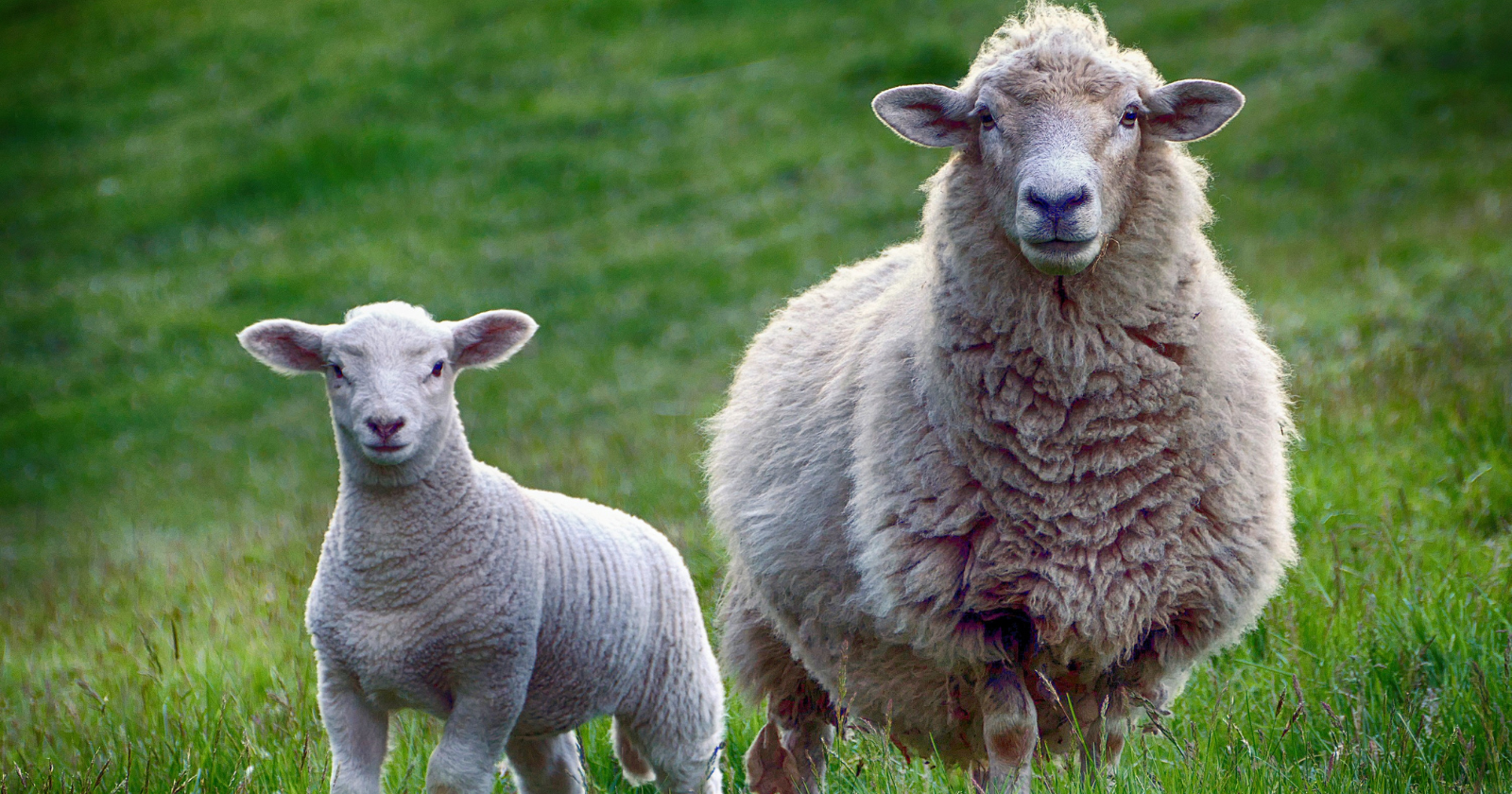
Three years later, the outcomes have surpassed expectations. About 1,700 merinos are now grazing under the solar panels, offering an effective resolution to the farm’s grass management dilemma. Notably, this arrangement has also led to improvements in wool quality. In comprehensive fleece evaluations, wool from sheep grazing at the solar farm demonstrated significant enhancements in quality due to the beneficial conditions created by the solar panels.
The favorable effects on fleece quality were quantified through a formal investigation commissioned by Lightsource bp and carried out by EMM Consulting in partnership with Elders Rural Services. This research compared two groups of merinos: one grazing beneath the solar panels and another in traditional paddocks. Findings revealed that wool from the solar-grazing group exhibited comparable, if not superior, quality to that of the conventional grazing group.
Several factors play a role in this outcome. The solar panels offer substantial shade, reducing heat stress—a known detriment to wool quality. Additionally, the distinct microenvironment formed beneath the panels enhances pasture conditions, with better moisture retention supporting the growth of diverse forages, even in drought periods. Thus, the environmental conditions encouraged by the solar panels contribute to the superior wool quality seen in the grazed flock.
This collaboration, which benefits both parties involved, eradicates the need for expensive and labor-intensive mowing for Lightsource bp, while providing Tony Inder with complimentary access to high-quality pastureland. As a result, the solar farm has emerged as a leading example of agrivoltaic practices, demonstrating how renewable energy generation and agriculture can harmoniously coexist for greater advantages.
While the outcomes merit further investigation before widespread implementation, the Wellington Solar Farm’s endeavor presents a hopeful glimpse into a potential future where renewable energy sites serve as innovative agricultural landscapes. The practice of grazing sheep beneath solar panels not only emphasizes sustainability but also highlights the ability to concurrently advance the energy and agricultural sectors.