**Inauguration of the Russia-North Korea Road Bridge Across the Tumen River**
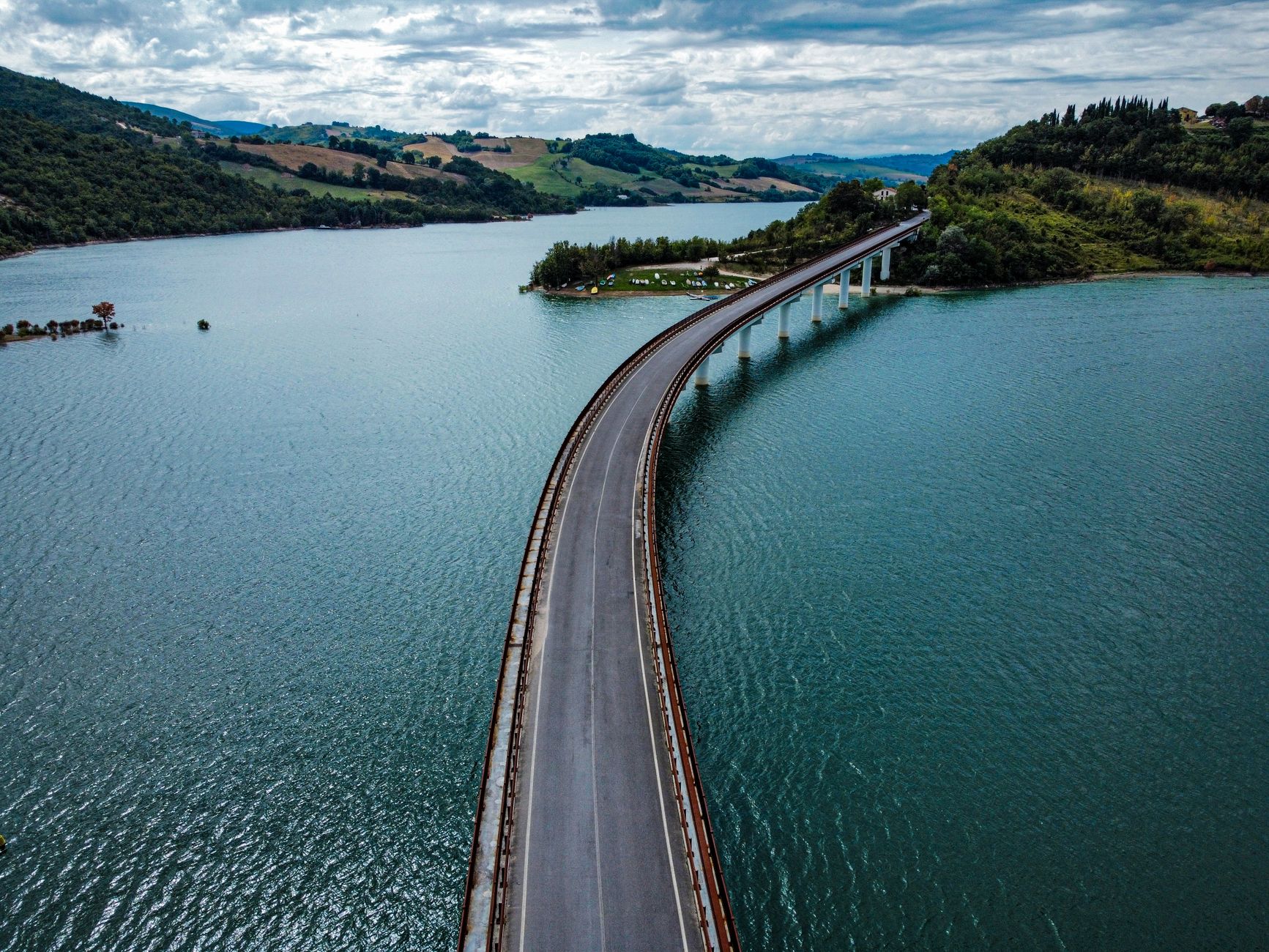
On September 7, 2026, trucks from Russia and North Korea met across the Tumen River, signifying the opening of the first road bridge aimed at improving connectivity between the two countries. This newly created infrastructure connects Khasan in Russia’s Primorye region with the Rason area in North Korea. The bridge itself stretches around one kilometer and is designed with two lanes. Russian officials have stated that the border facilities associated with the bridge can process up to 300 vehicles per day, though it should be noted that this figure represents a capacity estimate rather than an initial traffic count.
**Significance of the Opening**
The inauguration ceremony included participation from Russian Prime Minister Mikhail Mishustin and North Korean Premier Pak Thae Song through video link. While concurrent events took place in Rason and Khasan, North Korean state media reported that the construction project required 495 days for completion. While deemed the first road bridge linking both countries, a nearby railway bridge has been supporting train movements for many years. Nevertheless, prior to this, road vehicles needed to use special arrangements instead of a dedicated crossing, a gap that the new bridge now addresses.
**Scope of the Project**
While the bridge measures one kilometer in length, the total crossing, including the access roads, covers nearly five kilometers. The construction utilized over 5,000 metric tons of steel and more than 9,000 cubic meters of concrete. The Russian side is outfitted with a ten-lane road checkpoint in Khasan, intended to handle daily traffic of 300 vehicles and 2,850 people. However, the actual numbers will vary based on operating hours, inspection protocols, and the demand for freight services.
**Logistics and Potential Impact**
The road bridge offers a logistical transformation by allowing smaller, more frequent shipments compared to rail, which typically accommodates larger, scheduled loads. This adaptability may simplify certain transactions, yet converting this infrastructure into a high-traffic trade route will require more than just the existence of the bridge. Customs data and observed traffic trends following the opening will offer insights into the bridge’s practical utility.
**Historical Context and Commemoration**
Named after Soviet officer Yakov Novichenko, who courageously intercepted a grenade during a 1946 assassination attempt involving Kim Il-sung, the bridge’s name signifies the historical bonds between Russia and North Korea. This naming encapsulates both its logistical function and its role as a political emblem of the enduring relationship between the two nations.
The inauguration of the bridge creates a new transport route; nonetheless, the bridge’s significance will be revealed as actual traffic patterns and customs declarations over time demonstrate its genuine effect on trade and connectivity between Russia and North Korea.