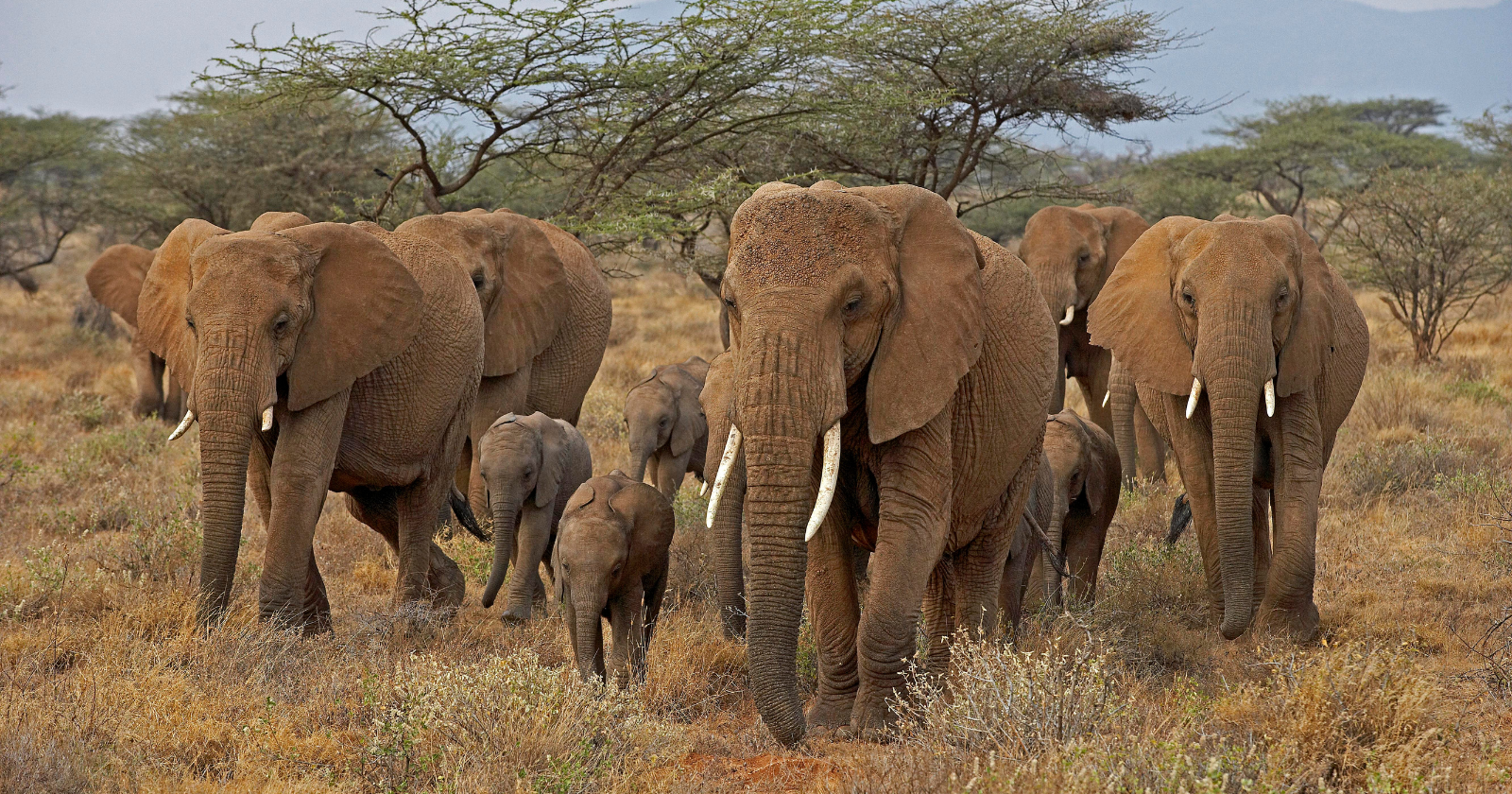
The initial survey flights over Gorongosa National Park following Mozambique’s civil war revealed a seemingly unscathed landscape, yet it was almost barren of wildlife. In 1994, a count indicated around 7,000 animals in a park that had once been vibrant with life: approximately 100 elephants, 100 waterbucks, and a handful of zebras. Located at the southern end of the Great Rift Valley, Gorongosa was once a renowned safari hotspot, but the 15-year civil war from 1977 to 1992 wreaked havoc on its wildlife. Soldiers hunted elephants for their ivory, while rangers and illegal poachers set thousands of traps to further diminish the animal population. By the end of the war, a staggering 95 percent of Gorongosa’s large wildlife had vanished, signaling a severe decline in biodiversity.
In 2004, Greg Carr, an entrepreneur and philanthropist from Idaho who had achieved success in voicemail technology, witnessed the devastated park from a helicopter and resolved to aid its restoration. By 2008, the Carr Foundation and the Mozambique government entered into a 20-year public-private partnership to jointly manage and revive Gorongosa, with Carr initially committing $40 million. Ultimately, he contributed about $100 million of his own funds, along with additional support from donors and aid. The revival efforts prioritized the removal of snares, halting poaching activities, and reintroducing select species such as buffalo, wildebeest, and painted wolves, rather than simply replenishing animal populations. The park experienced notable recovery when poaching was eliminated, allowing natural animal populations to thrive.
Aerial surveys captured this resurgence: by the mid-2010s, tens of thousands of animals roamed Gorongosa once again, with over 100,000 large animals recorded by 2022. From merely 7,000 post-war to six figures in less than thirty years, Gorongosa’s biomass has returned to pre-war figures. While waterbucks have surpassed the previous dominant species like elephants and buffalo in numbers, the overall wildlife diversity continues to rebound. The park has evolved into an ecological and scientific treasure, home to the E.O. Wilson Biodiversity Laboratory and documenting approximately 8,000 species.
The partnership also prioritized human development, impacting the 200,000 residents living around and within the park. Carr emphasized that for the park to be sustainable, it must benefit these communities. The Gorongosa Project, the largest employer in the region, introduces educational programs, healthcare systems, and community-led initiatives such as shade-grown coffee farming to encourage reforestation. Mozambique achieved such success that it renewed the partnership for an additional 25 years in 2018.
In the end, Gorongosa’s revival illustrates that wildlife can rejuvenate in times of peace. The key, however, was to ensure the security and prosperity of the region so that the park remained a thriving refuge valued by communities, demonstrating that a living park has greater worth than a depleted one.